
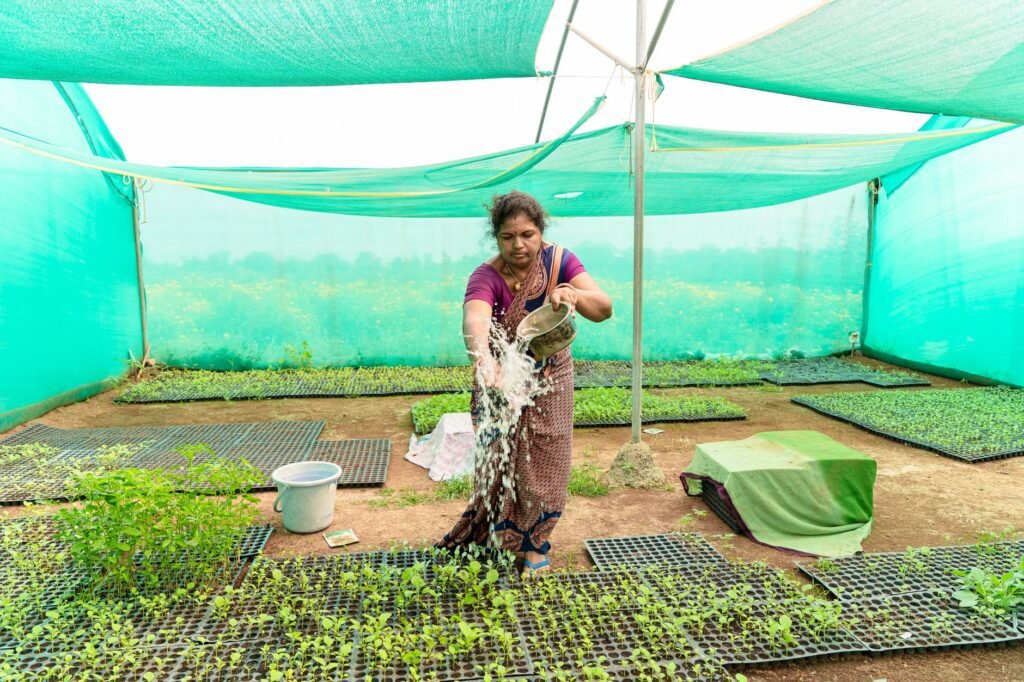
Watering Woes Solved: Your Ultimate Guide to Hydrating Indoor Plants in India
Hello, fellow plant parent! If there’s one question that keeps almost every indoor gardener up at night (besides ‘Is that a new pest?’), it’s definitely, ‘How often should I water my plants?’ And in a diverse climate like India’s, with its scorching summers, heavy monsoons, and mild winters, finding that sweet spot for hydration can feel like a lifelong quest. But don’t fret! As your friendly plant enthusiast, I’m here to share some simple, practical tips that have worked wonders for my green friends, making watering a joy, not a guessing game.
Forget rigid schedules. The truth is, there’s no one-size-fits-all answer. Your plant’s watering needs depend on so many factors – the season, its pot, the type of plant, and even your home’s humidity. But by understanding a few key principles, you’ll become a watering pro in no time!
1. The Golden Rule: Touch and Feel the Soil
This is by far the most crucial tip, and it costs you absolutely nothing! Before reaching for the watering can, simply stick your finger about 2 inches deep into the soil. Here’s what you’re looking for:
- Dry: If the soil feels dry to the touch at that depth, it’s likely time to water.
- Damp: If it still feels moist, hold off for another day or two. Overwatering is a plant’s silent killer!
You can also use a chopstick or a moisture meter if you prefer, but your finger is the best and most immediate tool you have.
2. Season’s Greetings: Adapting to Indian Weather
Our climate is dynamic, and your watering routine needs to be too!
- Summer’s Thirst (March – June): When temperatures soar and the air is dry, especially for plants on sun-drenched balconies, your plants will need more frequent watering. The intense heat causes water to evaporate quickly from pots. You might find yourself watering every 2-3 days for some thirsty plants.
- Monsoon’s Mercy (July – September): During the monsoon, humidity levels are naturally very high, and evaporation slows down significantly. This is when overwatering becomes a real risk. Drastically reduce your watering frequency – perhaps once a week or even less for some plants. Always check the soil diligently!
- Winter’s Rest (October – February): Most plants enter a period of slower growth in winter. Their water requirements decrease considerably. Watering once every 10-14 days, or even longer for some, might be sufficient.
3. Pot Personality: Material and Size Matter
- Terracotta Pots: These breathable, porous pots allow water to evaporate from their sides, meaning the soil dries out faster. Plants in terracotta will generally need more frequent watering than those in other materials.
- Plastic and Glazed Ceramic Pots: These materials retain moisture for longer as they are non-porous. Be cautious not to overwater, especially in cooler, humid months.
- Pot Size: Smaller pots dry out much quicker than larger ones. Consider repotting if your plant seems to dry out excessively fast, but also ensure it’s not too big for the plant, as excess soil holds too much moisture.
4. Every Plant Has Its Own Schedule
Just like people, plants have different hydration preferences. Succulents and cacti, for instance, prefer their soil to dry out completely between waterings, sometimes going weeks without a sip. Tropical foliage plants, on the other hand, like a consistently moist (but never soggy!) soil. Always do a quick check on your specific plant’s needs when you bring it home.
5. Drainage is Your Plant’s Best Friend
No matter how often you water, if your pot doesn’t have drainage holes, your plant is on a fast track to root rot. Stagnant water deprives roots of oxygen. Always use pots with proper drainage, and if you use a decorative planter, ensure there’s a gap between the inner pot and the outer one, or empty out any collected water in the tray after about 30 minutes.
6. How to Water: Thoroughly and Evenly
When it is time to water, do it thoroughly. Water until you see it draining from the bottom holes. This ensures the entire root ball gets hydrated. For smaller plants, watering from the bottom (placing the pot in a tray of water for 20-30 minutes) can also be effective, allowing the plant to soak up what it needs.
Becoming a watering wizard is all about observation and listening to your plants. Over time, you’ll develop an intuitive sense of when your green companions are thirsty. Remember, it’s generally easier to revive an underwatered plant than an overwatered one! And if you’re looking to expand your indoor jungle with healthy, thriving plants that are ready to grow, do explore the wonderful selection at Wynorg Nursery online. We’ve got a plant for every corner and every skill level, all nurtured with care to bring joy to your home!