Uncategorised

Aloe Vera Plant Care: Your Guide to Growing This Wonder Herb in Indian Homes

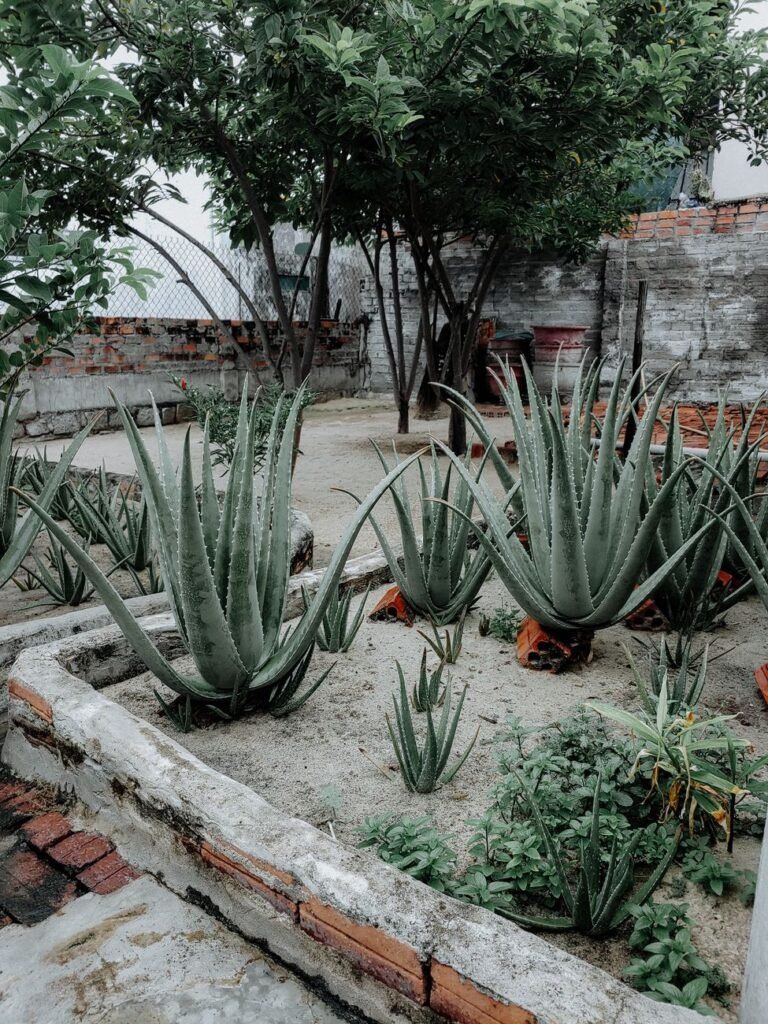
Aloe Vera Plant Care: Your Guide to Growing This Wonder Herb in Indian Homes Hello fellow plant enthusiasts! Today, we’re talking about a plant that’s practically a household name across India – the magnificent Aloe Vera. Known for its incredible medicinal properties, soothing gel, and striking appearance, Aloe Vera is more than just a pretty face; it’s a living pharmacy right in your home. And the best part? It’s wonderfully easy to grow, even for beginners! Whether you’re looking to heal a minor burn, soothe a skin irritation, or simply add a touch of lush greenery to your balcony or window sill, cultivating your own Aloe Vera plant is incredibly rewarding. Plus, it’s considered auspicious in Vastu Shastra, bringing positive energy to your space. Let’s dive into how you can help your Aloe Vera thrive in our Indian climate. 1. The Right Spot: Sunlight is Key (But Not Too Much!) Bright, Indirect Light: Aloe Vera loves sunshine but can be quite sensitive to the harsh Indian afternoon sun. Aim for a spot that receives plenty of bright, indirect light for about six hours a day. Balcony & Windows: An east-facing balcony or a well-lit window sill is often ideal. If your plant is outdoors, especially during peak summer, consider providing some afternoon shade to prevent scorching its leaves. During the cooler months or monsoon, it can handle more direct sun. 2. Watering Wisely: Less is More The Golden Rule: Aloe Vera is a succulent, meaning it stores water in its leaves. Overwatering is the quickest way to kill your plant. Always let the soil dry out completely between waterings. Check the Soil: Before watering, stick your finger about an inch or two into the soil. If it feels dry, it’s time to water. If it’s still damp, wait a few more days. Seasonal Adjustments: During the hot, dry summers, you might need to water every 1-2 weeks. In the monsoon and winter, reduce watering significantly, perhaps once every 3-4 weeks or even less, depending on humidity levels. Drainage is Crucial: Ensure your pot has excellent drainage holes to prevent waterlogging. 3. Perfect Potting Mix: Keep it Well-Draining Sandy & Porous: Aloe Vera needs a potting mix that drains very well. A regular garden soil mix often retains too much moisture. DIY Mix: You can create an ideal mix by combining equal parts of regular potting soil, coarse sand (like river sand), and perlite or pumice. This ensures excellent aeration and drainage. Pot Choice: Terracotta pots are fantastic for Aloe Vera as their porous nature helps wick away excess moisture, keeping the roots healthy. Ensure the pot size is appropriate for your plant – not too large, which can hold too much moisture. 4. Feeding & Repotting: When and How Minimal Feeding: Aloe Vera plants are not heavy feeders. They generally don’t require much fertilizer. If you wish to give them a boost, use a balanced, diluted liquid fertilizer once a year during the growing season (spring or early summer). Repotting Pups: As your plant matures, it will produce ‘pups’ or offsets around its base. These can be gently separated and repotted into their own pots, giving you more Aloe plants to enjoy or share! Repot the main plant when it becomes root-bound, usually every 2-3 years. 5. Harvesting Your Gel: A Gentle Touch Mature Leaves: Only harvest gel from mature, plump leaves. Choose leaves from the outer part of the plant. Clean Cut: Use a sharp, clean knife to make a cut close to the stem. Avoid cutting off the entire leaf unless necessary. Yellow Sap: You might notice a yellowish sap (latex) when you cut the leaf. This can be irritating to some, so it’s best to let it drain out for a few minutes before extracting the clear gel. Bringing an Aloe Vera plant into your Indian home is a step towards natural wellness and vibrant greenery. With these simple tips, you’ll have a thriving, gel-producing plant that’s ready to offer its many benefits whenever you need it. It’s truly a plant that gives back! Ready to start your Aloe Vera journey or expand your green family? Discover healthy, robust Aloe Vera plants and other wonderful additions for your Indian garden at Wynorg Nursery. We handpick and carefully pack each plant, ensuring it arrives at your doorstep ready to flourish. Browse our collection today and bring home the joy of gardening!

Aloe Vera Plant Care: Your Guide to Growing This Wonder Herb in Indian Homes Read More »
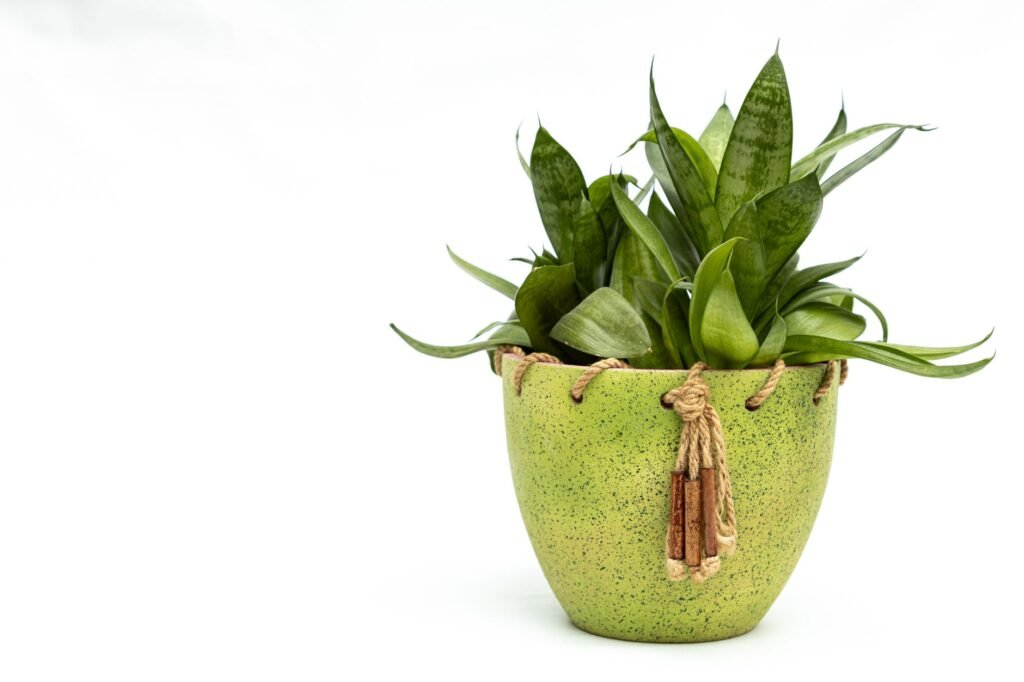
Breathe Easier Indoors: Top 5 Air-Purifying Plants for Indian Homes

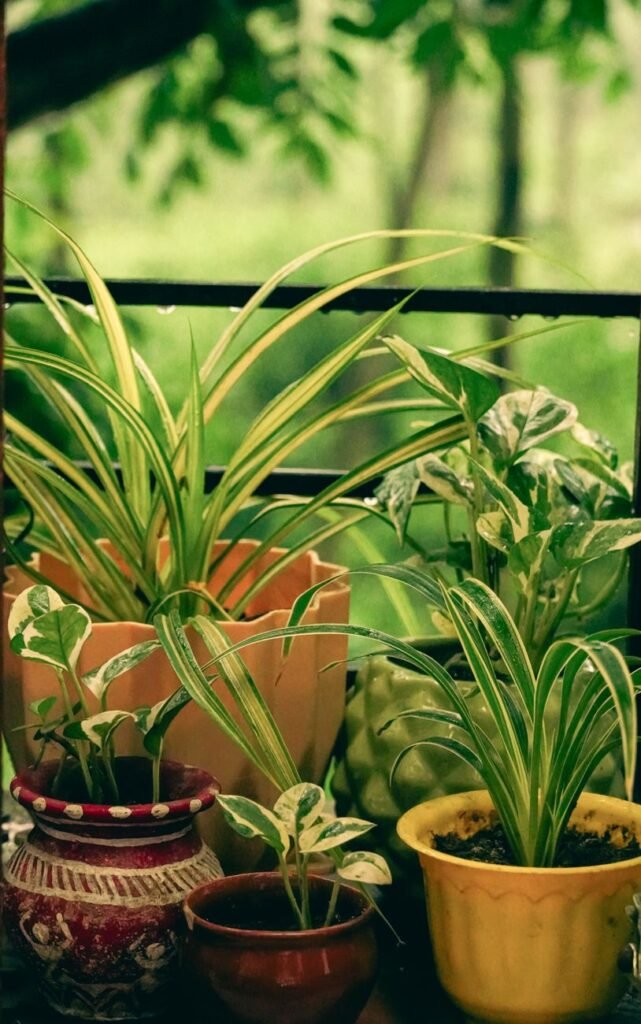
Breathe Easier Indoors: Top 5 Air-Purifying Plants for Indian Homes Dearest plant lovers, imagine stepping into your home after a long day and taking a deep, refreshing breath. Doesn’t that sound wonderful? In our bustling Indian cities, the air quality outdoors can often leave much to be desired. But did you know that your beloved plants can be true heroes, working silently to purify the air inside your living spaces? Gardening, for me, has always been a gentle dance with nature, a way to invite tranquility and life into our homes. And when these green friends also offer the precious gift of cleaner air, it’s truly a blessing! These aren’t just decorative touches; they are living, breathing filters, helping to remove common indoor pollutants. Let’s explore some wonderful air-purifying plants that thrive beautifully in our Indian climate, making your home a sanctuary of fresh air and positive vibes. Why Air-Purifying Plants Are a Breath of Fresh Air for Your Home Our homes, while cozy, can sometimes trap pollutants from furniture, paints, cleaning products, and even cooking fumes. This is where our green companions step in! Plants naturally absorb carbon dioxide and release oxygen, but many go a step further, effectively filtering out harmful toxins like formaldehyde, benzene, and trichloroethylene from the air around us. It’s a natural, beautiful, and cost-effective way to enhance your indoor environment and boost your well-being. Our Top 5 Picks for Indian Homes (and How to Nurture Them!) Here are some of my most trusted green friends that are perfect for Indian homes, offering beauty and cleaner air with minimal fuss: 1. Snake Plant (Sansevieria trifasciata) – The Unfussy Friend Oh, the Snake Plant! It’s truly a gardener’s delight, especially for those just starting out. With its striking upright leaves, it’s not just a stylish addition but also a powerhouse at purifying the air, even at night! It’s incredibly forgiving and resilient, perfect for busy Indian households. Light: Thrives in almost any light condition, from low-light corners to bright, indirect sunlight. Perfect for that shaded entryway or a sunny balcony corner. Water: This is key! Less is more. Water only when the soil is completely dry, which might be once every 2-4 weeks. Be extra careful during the monsoon to avoid overwatering, which can lead to root rot. Vastu: Often considered auspicious, bringing good energy and protection when placed in the south or east corners of your home. 2. Money Plant (Epipremnum aureum) – The Prosperity Purifier A staple in almost every Indian home, and for good reason! The Money Plant is not only believed to bring good luck and prosperity according to Vastu, but it’s also excellent at filtering out toxins. Its lovely trailing vines add a touch of lushness to any space. Light: Prefers bright, indirect light but can tolerate lower light levels. Direct scorching summer sun can burn its leaves, so protect it if kept outdoors on a balcony. Water: Water when the top inch or two of soil feels dry. During hot Indian summers, it might need watering every few days, but reduce frequency significantly in winter and monsoon. Vastu: Place it in the southeast direction for wealth and well-being. Avoid placing it in the northeast, as it can bring negative energy. 3. Areca Palm (Dypsis lutescens) – The Tropical Touch If you’re looking for a larger statement plant that purifies the air with grace, the Areca Palm is your answer. Its feathery fronds bring a beautiful tropical vibe and are fantastic at humidifying the air while removing pollutants. A lovely addition to living rooms or larger balcony spaces. Light: Prefers bright, indirect light. Direct Indian sun can scorch its leaves. A spot near a window with sheer curtains or a shaded balcony works best. Water: Keep the soil consistently moist but never soggy. Water when the top soil begins to dry out. It appreciates a bit more humidity, so a light misting in dry summer months can be beneficial. 4. Peace Lily (Spathiphyllum) – The Graceful Cleanser With its elegant white 'flowers' (which are actually modified leaves called spathes) and glossy green foliage, the Peace Lily is a vision of serenity. It’s a champ at removing a wide range of indoor air pollutants and even signals when it needs water by a gentle droop. Light: Thrives in medium to low indirect light. Direct sunlight can damage its delicate leaves and blooms. Ideal for indoor spaces like bedrooms or offices. Water: Keep the soil consistently moist. Water when the topsoil feels dry to the touch, or when you notice its leaves starting to droop (it’ll bounce back quickly after a drink!). 5. Spider Plant (Chlorophytum comosum) – The Dangling Detoxifier These charming plants with their arching leaves and 'spiderettes' (baby plants) are incredibly easy to care for and wonderful air purifiers. They look fantastic in hanging baskets, adding a playful green touch to any corner, be it an indoor nook or a shaded balcony. Light: Prefers bright to medium indirect light. While they can tolerate some shade, too little light might reduce the variegation in their leaves. Water: Water thoroughly when the top inch of soil feels dry. They don’t like to sit in soggy soil, so ensure good drainage. General Tips for Happy, Hardworking Air Purifiers Watering Wisely (Especially in Monsoon & Summer): Our Indian seasons can be quite varied. Always check the soil moisture before watering. During monsoon, reduce watering significantly. In scorching summers, some plants might need more frequent drinks, but always ensure proper drainage to prevent root rot. Choosing the Right Pot: Terracotta pots are excellent for most plants as they allow the soil to breathe and prevent waterlogging, which is crucial in humid climates. Ensure all pots have drainage holes! Regular Dusting: Just like furniture, plant leaves can accumulate dust. Gently wipe them with a damp cloth every few weeks. Clean leaves can absorb sunlight more efficiently and, importantly, purify the air better! Gentle Feeding: A balanced liquid fertilizer during the growing season (spring and summer)

Breathe Easier Indoors: Top 5 Air-Purifying Plants for Indian Homes Read More »

Money Plant Care: Expert Tips for Lush Pothos Growth in Your Indian Home

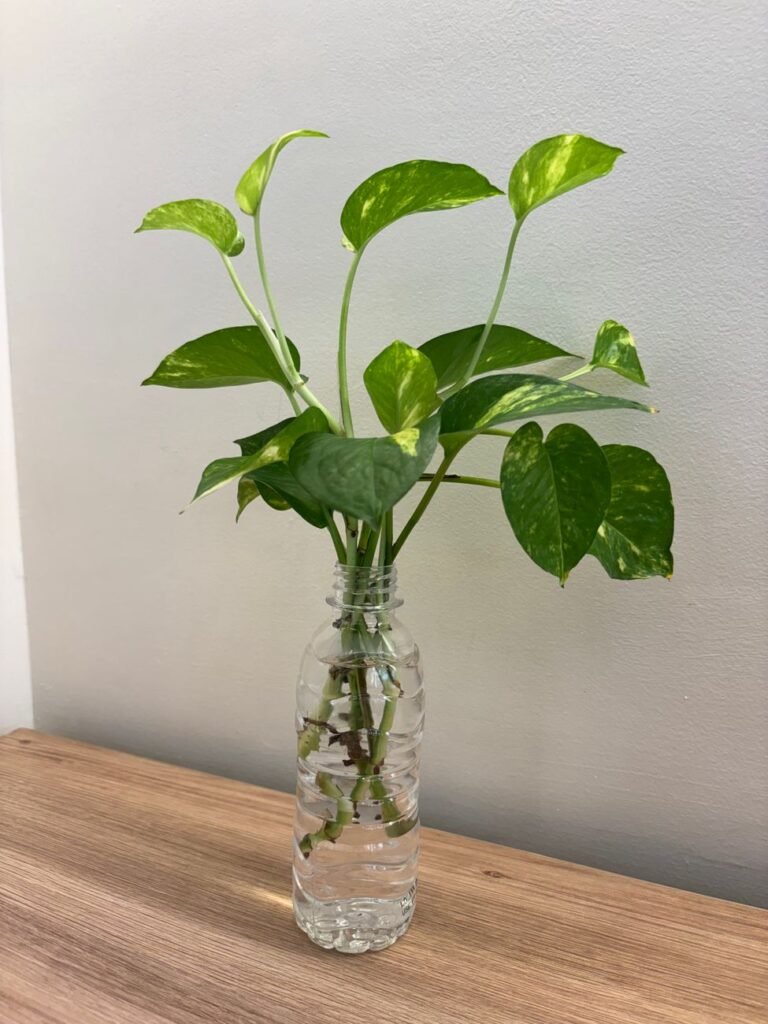
Money Plant Care: Expert Tips for Lush Pothos Growth in Your Indian Home Ah, the humble Money Plant! Known affectionately as Pothos (Epipremnum aureum) to botanists, but as a bringer of good fortune and lush greenery to countless Indian homes. This resilient, beautiful vine is a staple for a reason: it’s incredibly easy to care for, even for beginners, and thrives in our diverse climate. Plus, who doesn’t love a plant that’s believed to attract wealth and positive energy, especially when placed according to Vastu Shastra? Whether you’re looking to green up your apartment balcony, add a touch of nature to your living room, or simply enjoy the sight of its vibrant leaves, your Money Plant deserves a little love and the right care. Let’s dive into some practical, India-specific tips to help your Money Plant flourish like never before! 1. The Right Light: Bright, Indirect is Best Money Plants love light, but they’re not huge fans of direct, harsh sun, especially our intense Indian summer sun. Too much direct light can scorch their beautiful leaves, turning them yellow or brown. Place your Money Plant in a spot where it receives bright, indirect light. Think near a window with a sheer curtain, or in a well-lit room away from the direct glare of the afternoon sun. If you have a balcony, a shaded corner where it gets morning sun but is protected from the scorching afternoon rays would be ideal. Low light can make the variegation disappear, but the plant will still survive! 2. Water Wisely: Listen to the Soil Overwatering is the number one killer of Money Plants. It leads to root rot, which is hard to recover from. The key is to let the top inch or two of the soil dry out completely between waterings. Stick your finger into the soil – if it feels dry, it’s time to water. During the peak summer months, you might need to water more frequently (every 4-7 days), while in cooler winter months or during the monsoon, you’ll need to cut back significantly (perhaps once every 10-14 days or even less). Always ensure your pot has drainage holes to prevent waterlogging. 3. Perfect Potting: Well-Draining Soil and Pots Good drainage is crucial. Use a well-aerated potting mix that drains quickly. A standard houseplant potting mix with some added perlite or coco peat works wonders. For pots, terracotta pots are excellent as they allow the soil to breathe and excess moisture to evaporate, which is particularly beneficial in humid Indian conditions. If you’re using plastic pots, be extra careful with your watering schedule. 4. Feed for Fortune: Fertilizing Schedule Money Plants aren’t heavy feeders, but a little nourishment during their growing season (spring and summer) can boost their vitality. Use a balanced liquid fertilizer, diluted to half strength, once every 4-6 weeks. Avoid fertilizing during the monsoon and winter months when the plant’s growth slows down. Too much fertilizer can burn the roots, so less is definitely more here. 5. Prune for a Bushier Look Want a lush, full Money Plant instead of a leggy vine? Regular pruning is your answer! Snip off longer, unruly vines just above a leaf node (the little bump where a leaf emerges). This encourages the plant to branch out, resulting in a bushier, more attractive specimen. Plus, those cuttings can be easily propagated in water to make new plants – sharing is caring, after all! 6. Vastu Shastra: Placement for Prosperity In many Indian homes, the Money Plant isn’t just a decorative item; it’s a symbol of prosperity. According to Vastu Shastra, placing a Money Plant in the Southeast direction of your home is believed to invite good fortune and financial well-being. It’s also said to absorb negative energies. Just remember to keep it well-maintained and thriving for the best results! With these simple, practical tips tailored for the Indian home and climate, your Money Plant is all set to thrive, bringing you joy, lush greenery, and perhaps even a bit of extra good luck. There’s immense satisfaction in watching your plants grow healthy and strong, and a happy Money Plant is a rewarding addition to any home. Ready to start your green journey or expand your plant family? Explore Wynorg Nursery’s extensive collection of healthy, ready-to-grow plants. We ensure every plant is nurtured with care, making it easy for you to bring home vibrant, thriving greenery that’s perfect for your space. Visit us online today and find your next botanical companion!

Money Plant Care: Expert Tips for Lush Pothos Growth in Your Indian Home Read More »

Starting Your Succulent Journey: Best Varieties & Care Tips for Indian Beginners

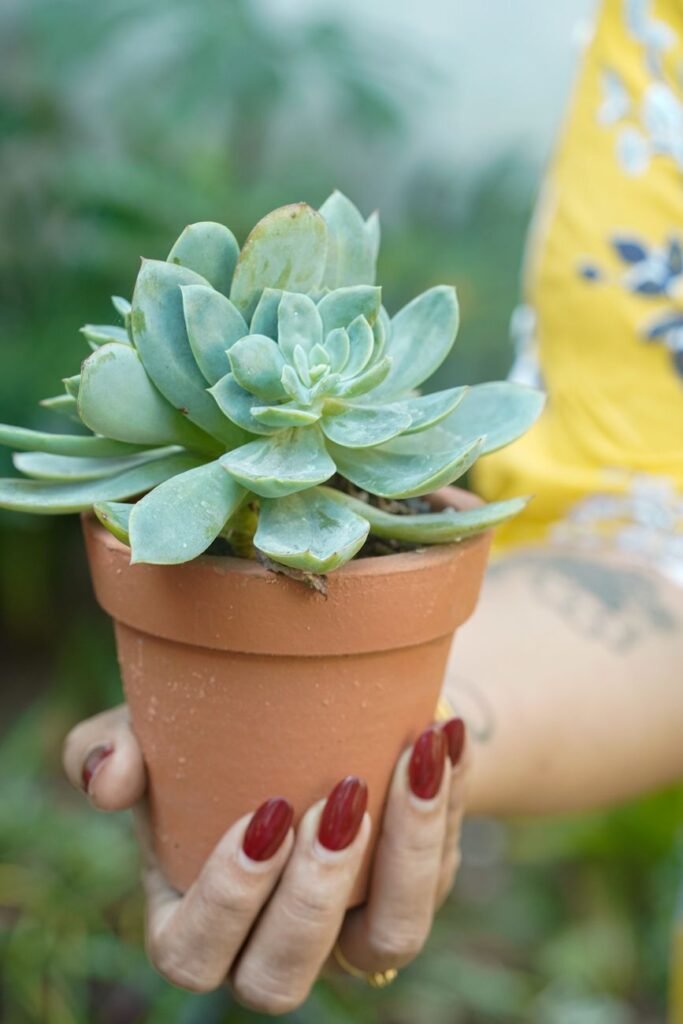
Starting Your Succulent Journey: Best Varieties & Care Tips for Indian Beginners Hey there, fellow plant parents! Ever gazed at those adorable, plump succulents and wondered if you could actually keep them alive in our vibrant, sometimes challenging, Indian climate? Well, I’m here to tell you, absolutely YES! Succulents are truly nature’s little survivors, and they bring so much calm and beauty to any home, whether you have a sprawling garden or just a cosy balcony. They’re fantastic for beginners because they don’t demand constant attention, making them perfect for our busy schedules. Plus, their unique shapes and colours are just captivating! Let’s dive into making your succulent dreams a reality, right here in India. 1. Pick Your Superstars: Best Succulents for Indian Homes When you’re just starting, choosing the right varieties is key. Some succulents are just naturally more forgiving, especially with our monsoon humidity and scorching summers. Here are a few reliable beauties that thrive in India: Aloe Vera: Not just for burns, this Vastu-friendly plant is super hardy and loves bright spots. It’s practically indestructible! Echeveria: These look like beautiful rosettes and come in various colours. They love sunlight but need protection from harsh afternoon sun. Haworthia: Often called the ‘Zebra Plant’ (Haworthia fasciata) or ‘Pearl Plant’ (Haworthia margaritifera), these are perfect for lower light conditions, making them great indoor options. Jade Plant (Portulacaria afra): A traditional favourite, often associated with good luck. It’s robust, can grow quite large, and tolerates a range of conditions. Kalanchoe: Many varieties offer beautiful blooms, adding a pop of colour. They are quite resilient and easy to propagate. Sedum: A huge family with many varieties, like Sedum rubrotinctum (‘Jelly Beans’). They are ground cover types or upright, generally very low maintenance. 2. The Golden Rule of Watering: Less is More! This is probably the most important tip for succulents! They store water in their leaves, so they don’t need frequent drinks. Overwatering is the number one killer of succulents. Always follow the “soak and dry” method: Water deeply until it drains out the bottom of the pot. Then, wait until the soil is COMPLETELY dry before watering again. Stick your finger an inch or two into the soil to check. In summer, you might water every 7-10 days, but in winter or during the monsoon, it could be once every 2-3 weeks, or even less! During monsoon, move them to a sheltered spot or bring them indoors to protect them from constant rain. 3. Let There Be Light (But Not Too Much All the Time!) Succulents love light, usually 4-6 hours of bright, indirect sunlight daily. An east-facing window or a balcony that gets morning sun is often ideal. However, our Indian summer sun can be intense! During peak afternoon heat, especially from April to June, protect your succulents from direct, scorching rays, which can cause sunburn (leaves turning brown or white). A sheer curtain or moving them to a shadier spot for those intense hours works wonders. 4. Potting Mix & Drainage: The Foundation of Health The right home makes all the difference! Succulents need excellent drainage to prevent root rot. Never use regular garden soil alone. Instead, opt for a well-draining succulent or cactus mix, or create your own by mixing regular potting soil with perlite, pumice, or coarse sand in a 1:1 ratio. Always use pots with drainage holes – terracotta pots are fantastic as they allow the soil to breathe and dry out faster. 5. Monsoon & Humidity Hacks The Indian monsoon, while beautiful, can be a challenge for succulents due to high humidity and constant moisture. As mentioned, moving your succulents to a covered area or indoors during heavy downpours is crucial. Ensure good air circulation around them to prevent fungal issues. If they must stay outdoors, consider a temporary clear plastic cover or a strategically placed umbrella! 6. Feeding Your Friends: Less is More (Again!) Succulents are not heavy feeders. They generally don’t need much fertiliser. If you want to give them a boost, use a diluted (half-strength) succulent/cactus specific liquid fertiliser once in spring or early summer, when they are actively growing. Avoid fertilising during their dormant period (usually winter) or during the monsoon. See? Caring for succulents in India is totally doable and so rewarding! There’s a special joy in watching these resilient plants thrive under your care, adding a touch of green serenity to your home. They’re a wonderful reminder to embrace calm amidst our bustling lives. Ready to start your own succulent collection or expand your green family? At Wynorg Nursery, we offer a beautiful selection of healthy, ready-to-grow succulents perfect for Indian conditions. You can find your next green companion and have them delivered right to your doorstep, ensuring a happy start to your plant journey!

Starting Your Succulent Journey: Best Varieties & Care Tips for Indian Beginners Read More »

Mastering Seasonal Watering: A Guide for Thriving Plants in India

Mastering Seasonal Watering: A Guide for Thriving Plants in India As Indian home gardeners, we know our climate isn’t just ‘hot’ or ‘cold’ – it’s a vibrant tapestry of monsoons, scorching summers, crisp winters, and a delightful spring. Each season brings its own unique set of challenges and joys for our beloved plants, and perhaps no aspect of plant care is more profoundly affected than watering. Getting it right can mean the difference between a flourishing green friend and one struggling to survive. Let’s dive into how you can adjust your watering schedule to keep your plants happy and healthy through every Indian season. Monsoon Magic: Less is More When the monsoon arrives, it’s a blessing for nature, but it often throws our regular watering routines into a spin. The air becomes heavy with humidity, and constant rainfall means your plants, especially outdoor and balcony ones, get plenty of natural hydration. Drastically Reduce: For most plants, you’ll need to cut back your manual watering significantly, sometimes even stopping it entirely for a few days if rainfall is consistent. Check Soil Moisture: Always, always check the soil before watering. Stick your finger about an inch or two deep. If it feels moist, wait. Overwatering during monsoon leads to root rot, the silent killer of many plants. Ensure Excellent Drainage: This is critical! Make sure your pots have good drainage holes and aren’t sitting in saucers full of stagnant water. Elevating pots slightly can help. Summer Sips: Quench That Thirst! Indian summers can be relentless, with temperatures soaring. This is when your plants need extra care and, often, more frequent watering to combat evaporation and heat stress. Increase Frequency: Most plants will need watering daily, sometimes even twice a day during peak summer, especially those in smaller pots or terracotta. Timing is Key: Water early in the morning before the sun gets too strong, or in the late evening once the heat has mellowed. Watering in the midday sun can lead to water evaporating quickly before roots can absorb it, and can even scorch leaves if water droplets act like tiny magnifying glasses. Observe Wilting: While a little afternoon droop can be normal for some plants, consistent wilting is a clear sign they’re thirsty. Water thoroughly until it drains from the bottom. Mulch for Moisture: A layer of mulch (like coco coir or wood chips) can help retain soil moisture and keep roots cooler. Winter Wellness: Gentle Hydration As temperatures drop, especially in North India, many plants enter a period of slower growth or dormancy. Their water needs decrease significantly. Drastically Reduce: Less sun and cooler temperatures mean less evaporation and slower metabolic rates for plants. You might need to water only once a week or even less frequently for many species. Feel the Soil: The finger test is your best friend. Only water when the top two to three inches of soil are dry. Avoid Cold Water: If possible, use water that’s at room temperature for your indoor plants. Humidity Help: While less watering is needed, indoor heating can dry out the air. Consider misting or pebble trays for humidity-loving plants, but be careful not to overwater the soil. Spring Awakening: A Gradual Sip Spring is a time of renewal and vigorous growth. As the weather warms up, your plants will start waking up from their winter slumber and demanding more. Gradual Increase: As you observe new shoots and leaves, slowly increase your watering frequency. Don’t jump straight back to summer schedules. Nutrient Needs: This is also a good time to start a gentle feeding schedule, as increased watering will help distribute nutrients. Repotting Consideration: If you’re repotting, remember freshly repotted plants might need a little extra water initially to help settle the soil and reduce transplant shock. General Wisdom for All Seasons Listen to Your Plants: They communicate! Yellowing leaves can signal overwatering, while crispy brown edges often point to underwatering. Pot Material Matters: Terracotta pots dry out faster than plastic or glazed ceramic pots. Adjust accordingly. Soil Composition: Well-draining soil prevents waterlogging in all seasons. Always use a good potting mix that doesn’t retain too much water. Location, Location, Location: Plants in direct sun will dry out faster than those in shade. Understanding and responding to the seasonal shifts in India is key to becoming a truly successful home gardener. It’s about observing, adjusting, and creating a rhythm that works for your plants and your local conditions. Remember, consistency in care, not just frequency, is what truly makes a difference. Ready to bring home some fresh green life that’s already set up for success? At Wynorg Nursery, we believe in giving your gardening journey the best start. Explore our wide range of healthy, ready-to-grow plants, carefully nurtured to thrive in Indian homes and gardens. Let us help you cultivate your green sanctuary, one happy plant at a time!

Mastering Seasonal Watering: A Guide for Thriving Plants in India Read More »

Bloom Bright: A Guide to Stunning Winter Flowering Plants for Your Indian Garden

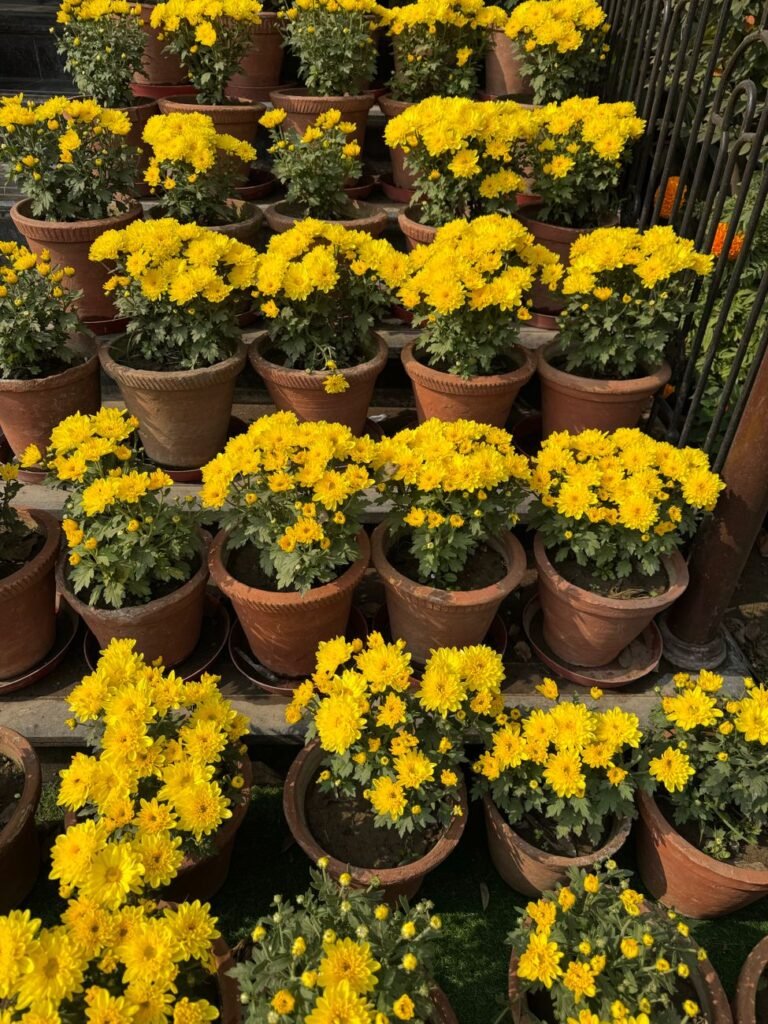
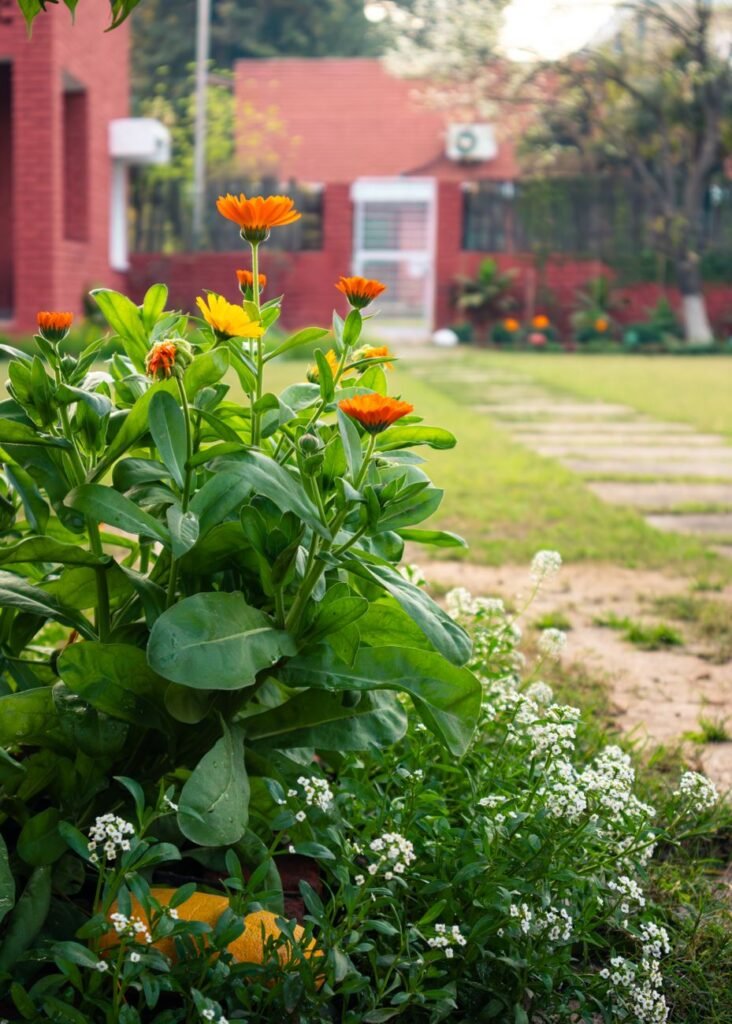
Namaste, Fellow Garden Enthusiasts! Let Your Indian Garden Dazzle This Winter! It’s your neighbourly plant-whisperer here, ready to share some warmth and wisdom from my own little green haven. As the days shorten and a pleasant chill fills the air, many of us Indian gardeners might think our vibrant displays are a thing of the past until spring. But oh, how wonderfully mistaken we’d be! Winter in India, especially in regions with a distinct cool season, is a magical time for a kaleidoscope of flowers. From the sunny balcony to a sprawling backyard, there are so many beauties ready to burst into bloom, bringing cheer and colour when we need it most. I believe in making gardening simple, joyful, and truly rewarding, especially with our unique Indian seasons. So grab a cup of chai, let’s chat plants, and get those hands a little muddy (virtually, for now!). Let’s explore how you can transform your winter garden into a breathtaking spectacle! 1. Timing is Everything: When to Plant for Peak Bloom For a glorious winter display, the secret lies in timely planting. Many popular winter annuals are best sown as seeds or planted as young saplings from late September through November. This gives them enough time to establish themselves before the peak cold sets in and allows them to bloom profusely from December right up to February or even March. Look for seedlings of Petunia, Marigold (Genda), Pansy, Dianthus, Salvia, Calendula, and Dahlia at your local nursery. Don’t delay too much, or your plants might struggle to catch up. 2. Embrace the Winter Sun: Light is Life! Unlike the scorching summer sun, the winter sun in India is gentle and absolutely crucial for flowering plants. Most winter annuals are sun-worshippers! Position your pots and beds in spots that receive at least 4-6 hours of direct sunlight daily. For apartment dwellers with balconies, rotate your pots if needed to ensure every plant gets its share of sunshine. A sun-drenched spot will encourage more blooms and healthier growth. 3. Mindful Watering: Just Enough, Not Too Much Winter typically means less evaporation, so your plants won’t need as much water as they did during the hot summer or monsoon. However, ‘less’ doesn’t mean ‘none’! Always check the soil moisture before watering. Stick your finger about an inch or two into the soil; if it feels dry, it’s time to water. Water thoroughly until it drains from the bottom of the pot, then allow the topsoil to dry out before the next watering. Overwatering can lead to root rot, especially in cooler temperatures. 4. Nutrient Boost: A Gentle Feed for Prolific Blooms Flowering takes a lot of energy! To encourage continuous blooming, give your winter beauties a mild dose of fertiliser. A liquid fertiliser balanced for flowering plants, diluted to half its strength, can be applied every 2-3 weeks. Alternatively, you can use a handful of well-rotted cow dung manure or vermicompost once a month around the base of the plant. Remember, moderation is key; too much fertiliser can burn the roots. 5. Deadhead for More Flowers: The Pruning Power This simple act makes a huge difference! ‘Deadheading’ means removing spent or faded flowers. When you snip off old blooms, the plant stops putting energy into producing seeds and instead diverts that energy into making more new flowers. Regular deadheading will keep your plants looking tidy and encourage a continuous flush of blooms throughout the winter season. Plus, it gives you a chance to inspect your plants up close! 6. Choose Your Stars: Popular Winter Bloomers for India Petunias: Cascading beauties perfect for hanging baskets and borders. Marigolds (Genda): Hardy, cheerful, and often used in festive decorations; repel some pests too! Pansies & Violas: With their ‘faces,’ they add charm to any pot or border. Dianthus: Delicate yet sturdy, with frilly petals. Salvia: Spikes of vibrant colour, a favourite of butterflies. Calendula (Pot Marigold): Bright orange and yellow, easy to grow. Chrysanthemums (Guldaudi): Come in a stunning array of shapes and sizes, classic winter flowers. Dahlias: Offer spectacular, large blooms, though some varieties might need a little more care. Ready to Welcome Winter Wonders? Gardening is all about celebrating life and adapting to what each season brings. With these simple tips, you’re all set to create a stunning display of winter flowers right in your Indian home! Imagine stepping out onto your balcony or into your garden, greeted by a burst of colour and fragrance – it’s a feeling unmatched. To kickstart your winter garden journey, or to add more healthy plants to your existing collection, look no further than Wynorg Nursery. We take pride in offering a wide selection of healthy, robust, and ready-to-grow plants, perfect for our Indian climate. Our plants are nurtured with care, ensuring they arrive at your doorstep ready to thrive. So, why wait? Visit Wynorg Nursery online today and let us help you grow your green dreams!

Bloom Bright: A Guide to Stunning Winter Flowering Plants for Your Indian Garden Read More »

Fortify Your Garden: Essential Preparations for the Indian Summer

Fortify Your Garden: Essential Preparations for the Indian Summer As the vibrant spring blossoms begin to wane, the Indian subcontinent braces itself for the intense embrace of summer. For the dedicated home gardener, this transition signals a crucial period of preparation. The scorching sun and elevated temperatures pose significant physiological challenges to plants, demanding a proactive approach to ensure their vitality and continued growth. Understanding the underlying botanical principles behind these preparations empowers us to cultivate resilient gardens capable of thriving even under duress. 1. Optimising Hydration: The Science of Deep Watering The most immediate concern during summer is water management. High temperatures accelerate evapotranspiration, meaning plants lose water rapidly through their leaves and the soil surface. Superficial, frequent watering encourages shallow root systems, rendering plants more susceptible to dehydration. Instead, adopt a regimen of deep, infrequent watering. This encourages roots to grow deeper into the soil, where moisture retention is better and temperatures are more stable. Water early in the morning or late in the evening to minimise evaporative loss, allowing the water to penetrate effectively to the root zone before the day’s heat sets in. For potted plants, ensure adequate drainage to prevent waterlogging, which can lead to root rot despite the heat. 2. The Protective Mantle: Embracing Mulching Mulching is an invaluable practice for summer resilience. A 2-3 inch layer of organic mulch – be it straw, dried leaves, wood chips, or even coir pith – serves as an insulating barrier. This barrier reduces soil temperature fluctuations, preventing the rapid heating and cooling that stresses root systems. Crucially, mulch dramatically conserves soil moisture by reducing direct evaporation, thereby lessening the frequency of watering required. As an added benefit, organic mulches decompose over time, enriching the soil structure and providing a slow release of nutrients, fostering a healthier rhizosphere. Affordable options like dry grass clippings or shredded newspaper can also be effective. 3. Strategic Shading: Mitigating Thermal Stress While sunlight is vital for photosynthesis, the intensity of the Indian summer sun can induce thermal stress, leading to leaf scorching, wilting, and reduced physiological activity. For sensitive plants, or those exposed to direct afternoon sun on balconies and patios, providing partial shade is paramount. Shade netting (often available in 50-75% density at local nurseries for a few hundred rupees per meter) can be erected over beds or balcony gardens. Alternatively, strategically positioning taller, hardier plants to cast dappled shade on smaller ones, or simply moving potted plants to naturally shaded areas during peak sun hours, can make a significant difference in their ability to cope with the heat. 4. Nutrient Fortification: Preparing the Soil for Stress Healthy soil is the foundation of a resilient plant. Before the peak summer heat, it’s beneficial to fortify your garden soil. Incorporate a generous amount of well-rotted compost or vermicompost. This improves soil structure, enhancing both water retention in sandy soils and drainage in clayey soils, while also providing a steady supply of macro and micronutrients. A balanced, slow-release organic fertiliser can also be applied. A robust nutrient profile ensures plants have the energy reserves needed to withstand environmental stressors and repair any heat-induced damage more effectively. 5. Gentle Pruning and Vigilant Observation A light pruning session before summer can be beneficial. Remove any dead, diseased, or overly dense foliage. This improves air circulation within the plant canopy, reducing humidity and the likelihood of fungal issues, which can sometimes paradoxically increase with heat stress in shaded, poorly ventilated areas. Additionally, removing spent flowers encourages the plant to channel its energy into vegetative growth rather than seed production. Throughout the summer, maintain vigilance for signs of stress, such as persistent wilting, yellowing leaves, or pest infestations, which can proliferate when plants are weakened. Early detection allows for timely intervention. Preparing your garden for the Indian summer is a strategic endeavour that combines scientific understanding with practical application. By focusing on proper hydration, soil protection, shade management, and nutrient support, you empower your plants to not just survive, but to truly thrive amidst the heat. A well-prepared garden is a testament to the gardener’s foresight and dedication. Embark on your summer gardening journey with confidence. For healthy, robust plants that are ready to adapt and flourish, explore the wide selection of superior quality saplings and seeds at Wynorg Nursery. Our plants are nurtured with care, ensuring they arrive at your doorstep ready to grow and beautify your home or garden, even through the Indian summer.

Fortify Your Garden: Essential Preparations for the Indian Summer Read More »

Your Essential Post-Monsoon Plant Care Checklist: Nurturing Your Greens Back to Health

Your Essential Post-Monsoon Plant Care Checklist: Nurturing Your Greens Back to Health As the last drops of the monsoon showers recede and the air begins to clear, a subtle shift occurs in our gardens and balconies. The lush, vibrant growth spurred by the rains can sometimes mask underlying stresses caused by excessive moisture, nutrient leaching, and changing light conditions. For us gardeners, this transition period from the monsoon’s embrace to the gentler post-monsoon days is crucial. It’s a time for patient observation and gentle intervention, ensuring our beloved plants recover from the deluge and prepare for the drier, brighter months ahead. Think of it as a reset button for your green companions. With a little care and attention, you can help them not just survive, but truly thrive. Here’s a checklist to guide you through this important phase: 1. Soil Aeration and Drainage Check Observe the Soil: Monsoon rains can compact soil significantly, leading to poor aeration and waterlogging once the heavy downpours stop. Gently poke the topsoil with a stick or a fork (be careful not to damage roots) to check for compaction. Improve Aeration: For potted plants, carefully loosen the top 1-2 inches of soil. If drainage holes are blocked, clear them. Consider adding a fresh layer of compost or cocopeat to improve soil structure and nutrient content. Address Waterlogging: If plants show signs of prolonged wet feet (yellowing leaves, stunted growth), it might be time for a gentle repotting with fresh, well-draining soil mix, especially for outdoor plants that were constantly exposed. 2. Pruning and Cleaning Up Remove Damaged Parts: Inspect all your plants for any leaves or branches that have been damaged by heavy rain, strong winds, or have developed fungal spots. Prune these off using clean, sharp secateurs. This prevents diseases from spreading and encourages new, healthy growth. Clear Debris: Remove fallen leaves, flowers, and any other organic debris from around the base of your plants and from pots. This eliminates hiding spots for pests and reduces the risk of fungal infections. 3. Vigilant Pest and Fungal Inspection The Monsoon Aftermath: The high humidity of the monsoon creates a perfect breeding ground for pests like aphids, mealybugs, and various fungal diseases (like powdery mildew and black spot). Daily Checks: Make it a habit to inspect the undersides of leaves and new shoots daily. Early detection is key. Gentle Remedies: For pests, a neem oil solution spray or a strong jet of water can be effective. For fungal issues, increasing air circulation and removing affected parts is crucial. In stubborn cases, a mild fungicidal spray can be considered, always following instructions carefully. 4. Gradual Fertilisation and Nutrition Replenish Nutrients: Heavy rains often leach essential nutrients from the soil. Once the plants have had a week or two to recover from the immediate wet conditions, begin a gentle feeding regimen. Balanced Approach: Opt for a balanced, diluted liquid fertiliser or a slow-release organic option. Avoid over-fertilising, as plants are still recuperating. A dose of organic compost or vermicompost is also an excellent way to gently reintroduce nutrients and improve soil health. 5. Adjusting Sunlight and Plant Placement The Sun’s Return: As the clouds dissipate, the sun’s intensity can increase rapidly. Plants that were used to filtered light during the monsoon might get scorched if exposed to harsh afternoon sun too quickly. Strategic Relocation: For balcony plants, consider moving sensitive plants to shadier spots during peak afternoon hours. For outdoor plants, ensure adequate hydration to cope with increased sun exposure. Observe how your plants react to the returning sunlight and adjust their positions as needed, perhaps embracing corners that offer morning sun and afternoon shade. 6. Mindful Watering Adjustments Break the Monsoon Habit: After weeks of consistent rain, it’s easy to forget that the watering needs change drastically. Soil will dry out faster with increased sun and wind. The ‘Finger Test’: Before watering, always check the soil moisture with your finger. Water only when the top inch or two of soil feels dry. This prevents both overwatering and underwatering, guiding your plants towards a more natural watering rhythm. Embracing the post-monsoon period with this checklist in hand will ensure your plants transition smoothly, regaining their vigour and preparing for healthy growth cycles ahead. It’s a testament to our patience and observation, allowing nature to heal and rejuvenate. And as you tend to your existing greens, perhaps you’ll feel inspired to welcome new life into your home. When you’re ready to expand your green family, remember Wynorg Nursery offers a beautiful selection of healthy, ready-to-grow plants, carefully nurtured to thrive in Indian homes. Explore our range online and bring home the promise of sustained greenery!

Your Essential Post-Monsoon Plant Care Checklist: Nurturing Your Greens Back to Health Read More »

Beat the Heat: Practical Tips to Protect Your Plants from Indian Summer Heatwaves

Beat the Heat: Practical Tips to Protect Your Plants from Indian Summer Heatwaves Ah, the Indian summer! While we humans might seek refuge indoors with a chilled glass of nimbu pani, our beloved plants often struggle under the relentless sun and soaring temperatures. Heatwaves aren’t just uncomfortable for us; they can be incredibly stressful, even fatal, for our green companions, whether they’re on your balcony, in your living room, or brightening your garden patch. But don’t fret, fellow plant parent! As your Practical Pal, I’ve got some sensible, easy-to-implement tips that don’t require an engineering degree or breaking the bank. Let’s get your plants through this sizzling season! 1. The Early Bird Catches the Water (and the Worm!) Timing is Everything: The absolute best time to water your plants during a heatwave is early in the morning, before the sun gets too strong, or late in the evening once temperatures have begun to drop. Watering in the middle of a hot day causes much of the water to evaporate before the roots can absorb it, wasting precious resources. Deep Drinks: Give your plants a thorough, deep watering. This encourages roots to grow deeper, making them more resilient. Just a shallow sprinkle often evaporates quickly and doesn’t reach the core root system. Check the soil moisture first – stick your finger about an inch or two deep. If it feels dry, it’s time to water! Terracotta Trouble: Remember, terracotta pots can dry out faster as they are porous. Keep an extra eye on these beauties. 2. Create a Cool Oasis with Smart Shade Move ‘Em In: For potted plants, the simplest solution is often the best – move them to a shadier spot. North-facing balconies, under the canopy of a larger tree, or even inside during peak afternoon heat can make a huge difference. DIY Shade Solutions: Don’t have a ready-made shady spot? No problem! You can easily create temporary shade using old sarees, dupattas, or even a simple shade net (available affordably at most nurseries or online). Rig them up to provide dappled shade during the harshest afternoon hours (11 AM to 4 PM). 3. Mulch: The Miracle Blanket for Roots Why Mulch? Mulching is like giving your plant’s roots a protective blanket. It helps retain soil moisture, keeps the soil temperature cooler, and suppresses weeds that compete for water. Easy Materials: You don’t need fancy garden store mulch. Use readily available materials like a layer of dry leaves, cocopeat, wood chips, or even shredded newspaper (avoid glossy pages) around the base of your plants. Ensure the mulch doesn’t touch the main stem directly to prevent rot. 4. Boost Humidity (Carefully!) Group Therapy: Plants release moisture into the air (transpiration), so grouping them together can create a mini-microclimate of higher humidity. This is especially useful for indoor plants or those on a sheltered balcony. Pebble Trays: Place pots on trays filled with pebbles and a little water. As the water evaporates, it increases humidity around the plants without making the soil soggy. Ensure the bottom of the pot isn’t sitting directly in the water. Misting: While misting can provide temporary relief, it’s a short-term fix. If you do mist, do it early morning or late evening, and ensure good air circulation to prevent fungal issues. 5. Hold the Fertiliser! During a heatwave, plants are already under immense stress. Adding fertiliser can actually add to this stress, forcing them to put energy into new growth when they really need to conserve energy for survival. It’s best to pause your fertilising schedule until the temperatures cool down and the plants show signs of recovery. 6. Light Pruning Only While you might be tempted to give your plant a good trim, heavy pruning during a heatwave can be counterproductive. Removing too many leaves reduces the plant’s ability to photosynthesise and can expose delicate inner parts to the harsh sun. However, do remove any dry, yellowing, or dead leaves and branches. These are already a drain on the plant’s resources and can harbor pests. Following these simple, practical tips can make a world of difference in helping your beloved plants not just survive, but truly thrive, through the notorious Indian summer heatwaves. A little care goes a long way! And when you’re ready to add more vibrant greenery to your home, or perhaps replace a plant that didn’t quite make it through the season, remember Wynorg Nursery. We offer a fantastic selection of healthy, ready-to-grow plants, carefully nurtured to ensure they adapt beautifully to your Indian home and garden. Browse our collection online and get your next green companion delivered right to your doorstep!

Beat the Heat: Practical Tips to Protect Your Plants from Indian Summer Heatwaves Read More »

Monsoon Magic: Top Plants to Grow for a Lush Indian Garden This Rainy Season

Monsoon Magic: Top Plants to Grow for a Lush Indian Garden This Rainy Season Ah, the monsoon! After the long, scorching Indian summer, those first refreshing showers are a true blessing. While we humans revel in the cooler temperatures and the earthy scent of petrichor, our plants often have a mixed reaction. Some absolutely thrive in the increased humidity and gentle rain, bursting into vibrant life. Others, however, might struggle with waterlogging or fungal issues. The key is knowing which green friends will truly appreciate the rainy season and how to care for them. At Wynorg Nursery, we believe every season brings its own gardening joys. For the monsoon, it’s all about selecting plants that are naturally resilient and love a good shower. So, let’s explore some fantastic choices for your balcony, terrace, or garden, ensuring your space stays lush and lively through the Indian rains. 1. The Ever-Reliable Money Plant (Pothos) Why it loves monsoon: Money Plants adore humidity! The monsoon air makes their leaves gleam, and they often put out new growth with impressive vigour. They can be grown indoors or outdoors in a shaded spot. Monsoon care tip: While they love moisture, ensure good drainage. If grown in pots outdoors, check that saucers don’t collect stagnant water, which can lead to root rot. Bring hanging baskets under a porch during very heavy downpours to prevent overwatering. They are also considered auspicious for Vastu, making them a dual delight! 2. Fragrant Jasmines (Mogra, Chameli) Why it loves monsoon: The humidity and occasional showers encourage a burst of fragrant blooms from many jasmine varieties. Imagine your balcony filled with the sweet scent of Mogra after a rain shower – pure bliss! Monsoon care tip: Jasmines need ample sunlight, so ensure they are in a spot where they get at least 4-6 hours of direct sun. Prune them lightly before monsoon to encourage new flowering shoots. Keep an eye out for pests like mealybugs that can sometimes thrive in humid conditions – a quick spray with neem oil solution usually helps. 3. Hardy Hibiscus Why it loves monsoon: These vibrant beauties are perennial favourites in Indian gardens. The monsoon season often brings a fresh flush of foliage and an abundance of those signature large, colourful blooms. They are quite tolerant of moist conditions as long as drainage is good. Monsoon care tip: Ensure your Hibiscus is in a well-draining pot or garden bed. Fertilise them lightly with a balanced liquid feed during the growing season (monsoon is a great time!) to support continuous blooming. Protect them from extremely heavy winds if they are on a high-rise balcony. 4. Lush Ferns and Peace Lilies Why they love monsoon: These shade-loving plants are humidity champions. The monsoon creates the perfect moist environment for their lush foliage to unfurl. Ferns like Boston ferns and Maidenhair ferns, along with the elegant Peace Lily, will truly flourish. Monsoon care tip: Primarily indoor plants, ensure they are not directly exposed to heavy rain, but the ambient humidity will do wonders. Reduce your regular watering schedule as the soil will stay moist for longer. Peace Lilies, especially, are great air purifiers and perfect for a monsoon-washed indoor space. 5. Edible Delights: Turmeric, Ginger, and Mint Why they love monsoon: Many Indian kitchens rely on these flavourful roots and herbs, and the monsoon is their prime growing season! Turmeric and ginger rhizomes sprout readily in warm, moist soil, and mint absolutely explodes with growth. Monsoon care tip: Plant turmeric and ginger rhizomes in well-draining soil in large pots. They need consistent moisture but cannot tolerate waterlogging. Mint can be grown in smaller pots or even in a corner of your garden; just be mindful it can spread quite vigorously. Harvesting fresh ginger or mint for your monsoon chai is an incomparable joy! The monsoon transforms our surroundings into a verdant paradise, and with the right plant choices and a little care, your home garden can reflect that same vibrant energy. Remember, good drainage is paramount for almost all plants during the rainy season to prevent root rot. Embrace the showers, enjoy the greenery, and watch your plants thrive. Ready to bring home some monsoon-loving plants? Visit Wynorg Nursery online today! We offer a wide selection of healthy, ready-to-grow plants, carefully packaged and delivered right to your doorstep anywhere in India. From vibrant flowering plants to lush foliage and essential herbs, find the perfect additions to make your monsoon garden truly magical.

Monsoon Magic: Top Plants to Grow for a Lush Indian Garden This Rainy Season Read More »

Shopping Basket