
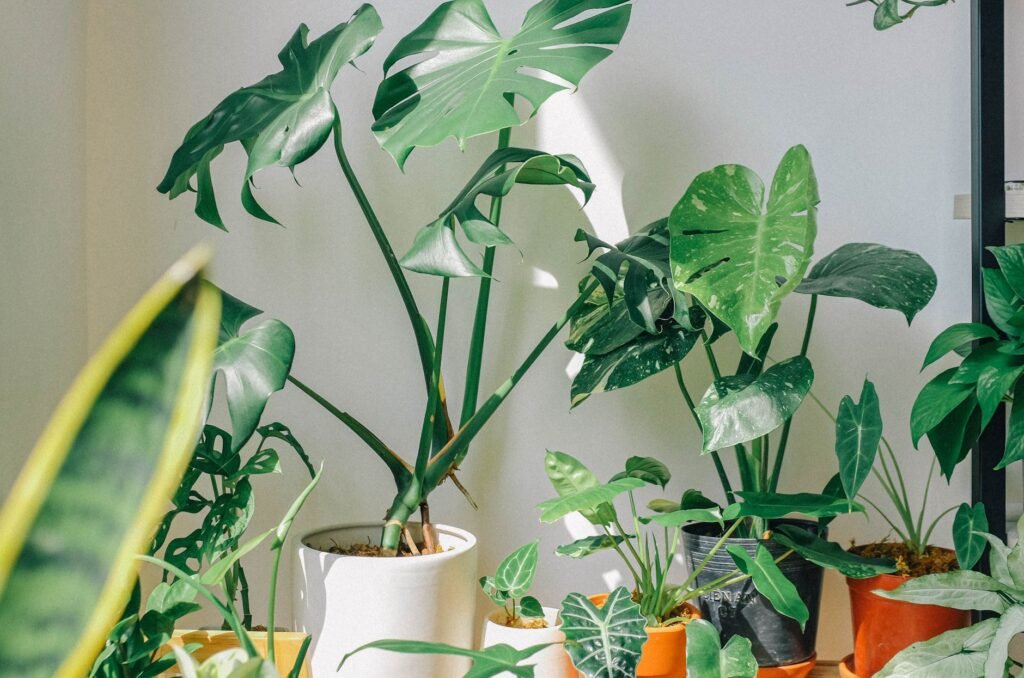
Embrace the Green: Indoor Plants That Thrive Without Direct Sunlight in Your Indian Home
Living in an apartment with limited sunlight, or perhaps you have a cozy corner in your home that feels a bit too dim for most plants? Many Indian homes, especially in bustling cities, face the challenge of finding enough bright, direct sunlight for their green companions. But don’t fret! You absolutely can have a thriving indoor garden, even in those shadier spots. The secret lies in choosing the right plants – resilient beauties that actually prefer a break from the sun’s harsh gaze. Let’s explore some fantastic options that will bring life and freshness to every nook of your home, no matter how little sunlight it gets.
1. Meet the Low-Light Champions
Not all plants crave the spotlight! Some truly flourish in dimmer conditions. Here are a few superstars perfect for your low-light spaces:
- Snake Plant (Sansevieria trifasciata): Also known as “Mother-in-Law’s Tongue,” this plant is virtually indestructible. It tolerates extreme neglect, including very low light, and is a fantastic air purifier. It’s also often considered auspicious in Vastu Shastra for bringing positive energy.
- ZZ Plant (Zamioculcas zamiifolia): With its glossy, dark green leaves, the ZZ plant is elegance personified. It thrives on neglect, needing very little water or light, making it ideal for busy individuals or dimly lit offices and hallways.
- Pothos (Epipremnum aureum – commonly called Money Plant): A true Indian household favourite! Pothos varieties are incredibly versatile. They can be grown as climbers, in hanging baskets, or simply trailing from a shelf. They are excellent air purifiers and, according to Vastu, bring prosperity and good luck.
- Peace Lily (Spathiphyllum): Known for its elegant white spathes (which are actually modified leaves, not flowers), the Peace Lily brightens up any low-light spot. It’s also a superb air cleanser, removing common toxins from the air.
- Spider Plant (Chlorophytum comosum): Easy to care for and propagate, Spider Plants are perfect for beginners. They produce “spiderettes” or plantlets that dangle from the mother plant, making them great for hanging baskets. They’re also safe for pets and effective at purifying air.
2. The Art of Watering in Low Light
This is perhaps the most crucial tip for low-light plants. In dimmer conditions, plants use less water because their rate of photosynthesis is reduced. Overwatering is the quickest way to kill a low-light plant!
- Feel the Soil: Always check the soil moisture with your finger before watering. Wait until the top 2-3 inches of soil are dry. For ZZ plants and Snake Plants, let the soil dry out almost completely between waterings.
- Monsoon Caution: During the Indian monsoon, humidity levels are high, and plants naturally need even less water. Be extra cautious to avoid root rot.
- Drainage is Key: Ensure all your pots have drainage holes. Stagnant water is a death sentence for most indoor plants.
3. Finding the “Right” Kind of Low Light
While these plants don’t need direct sun, “low light” doesn’t necessarily mean a pitch-black room. They still appreciate some ambient light.
- Bright, Indirect Light: This is often the ideal for many of these plants. Think a few feet away from a north-facing window, or a spot where light filters through sheer curtains.
- Rotate Your Plants: Even in low light, rotating your plants every few weeks can help ensure even growth and prevent them from leaning towards the nearest light source.
- Clean Leaves: Dust accumulation is common in Indian homes. Wipe your plant’s leaves regularly with a damp cloth. This allows the plant to absorb what little light is available more efficiently.
4. Humidity and Indian Summers
While many of these plants are forgiving, some (like the Peace Lily) appreciate a bit more humidity, especially during dry Indian summers when air conditioners are often on.
- Mist Occasionally: A light misting can help, but don’t overdo it, especially if you have good air circulation.
- Pebble Trays: Place your plant pot on a tray filled with pebbles and water. As the water evaporates, it creates a micro-humid environment around the plant without the roots sitting in water.
5. Less Fertiliser, Slower Growth
In low light, plants grow slower, and therefore, they need less feeding. Fertilising too much can lead to nutrient burn.
- Reduce Frequency: Fertilise your low-light plants much less frequently than those in brighter spots, perhaps once every 2-3 months during their growing season (spring and summer), and not at all in winter.
- Dilute Strength: When you do fertilise, use a half-strength solution of a balanced liquid fertiliser.
Don’t let a lack of direct sunlight deter you from enjoying the beauty and benefits of indoor plants. With these resilient species and a few mindful care adjustments, your home can transform into a lush, green sanctuary. Each plant brings its own charm and purifying power, enhancing your living space without demanding constant attention or bright windows. Ready to fill your low-light corners with vibrant life? Explore our extensive collection of healthy, ready-to-grow indoor plants at Wynorg Nursery. We handpick and carefully pack each plant to ensure it arrives at your doorstep thriving, ready to bring joy to your Indian home.