
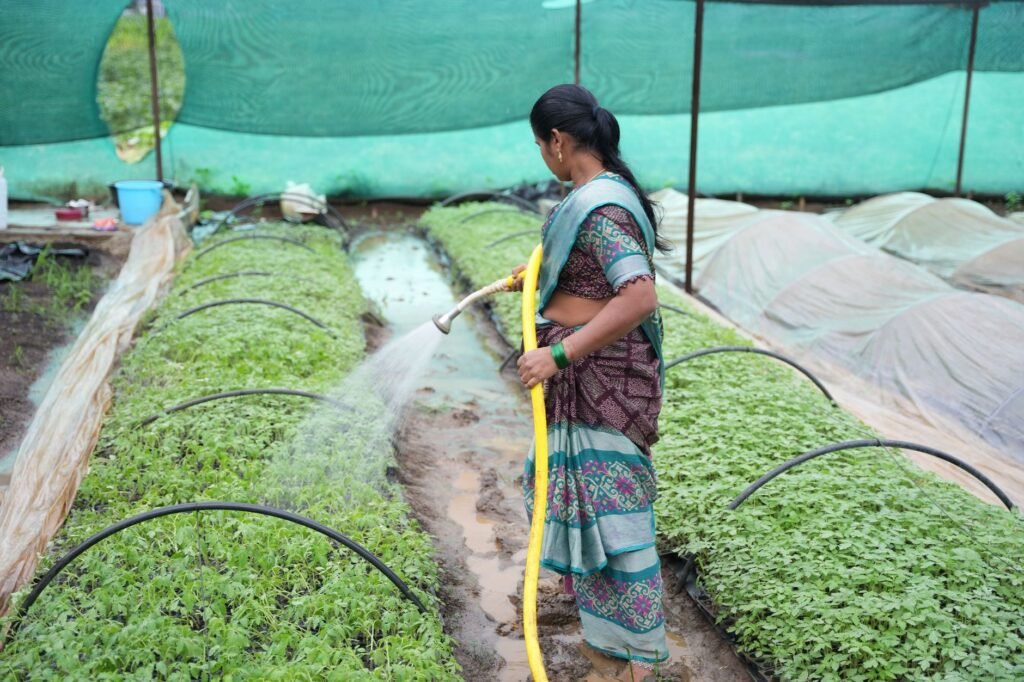
Mastering Seasonal Watering: A Guide for Thriving Plants in India
As Indian home gardeners, we know our climate isn’t just ‘hot’ or ‘cold’ – it’s a vibrant tapestry of monsoons, scorching summers, crisp winters, and a delightful spring. Each season brings its own unique set of challenges and joys for our beloved plants, and perhaps no aspect of plant care is more profoundly affected than watering. Getting it right can mean the difference between a flourishing green friend and one struggling to survive. Let’s dive into how you can adjust your watering schedule to keep your plants happy and healthy through every Indian season.
Monsoon Magic: Less is More
When the monsoon arrives, it’s a blessing for nature, but it often throws our regular watering routines into a spin. The air becomes heavy with humidity, and constant rainfall means your plants, especially outdoor and balcony ones, get plenty of natural hydration.
- Drastically Reduce: For most plants, you’ll need to cut back your manual watering significantly, sometimes even stopping it entirely for a few days if rainfall is consistent.
- Check Soil Moisture: Always, always check the soil before watering. Stick your finger about an inch or two deep. If it feels moist, wait. Overwatering during monsoon leads to root rot, the silent killer of many plants.
- Ensure Excellent Drainage: This is critical! Make sure your pots have good drainage holes and aren’t sitting in saucers full of stagnant water. Elevating pots slightly can help.
Summer Sips: Quench That Thirst!
Indian summers can be relentless, with temperatures soaring. This is when your plants need extra care and, often, more frequent watering to combat evaporation and heat stress.
- Increase Frequency: Most plants will need watering daily, sometimes even twice a day during peak summer, especially those in smaller pots or terracotta.
- Timing is Key: Water early in the morning before the sun gets too strong, or in the late evening once the heat has mellowed. Watering in the midday sun can lead to water evaporating quickly before roots can absorb it, and can even scorch leaves if water droplets act like tiny magnifying glasses.
- Observe Wilting: While a little afternoon droop can be normal for some plants, consistent wilting is a clear sign they’re thirsty. Water thoroughly until it drains from the bottom.
- Mulch for Moisture: A layer of mulch (like coco coir or wood chips) can help retain soil moisture and keep roots cooler.
Winter Wellness: Gentle Hydration
As temperatures drop, especially in North India, many plants enter a period of slower growth or dormancy. Their water needs decrease significantly.
- Drastically Reduce: Less sun and cooler temperatures mean less evaporation and slower metabolic rates for plants. You might need to water only once a week or even less frequently for many species.
- Feel the Soil: The finger test is your best friend. Only water when the top two to three inches of soil are dry.
- Avoid Cold Water: If possible, use water that’s at room temperature for your indoor plants.
- Humidity Help: While less watering is needed, indoor heating can dry out the air. Consider misting or pebble trays for humidity-loving plants, but be careful not to overwater the soil.
Spring Awakening: A Gradual Sip
Spring is a time of renewal and vigorous growth. As the weather warms up, your plants will start waking up from their winter slumber and demanding more.
- Gradual Increase: As you observe new shoots and leaves, slowly increase your watering frequency. Don’t jump straight back to summer schedules.
- Nutrient Needs: This is also a good time to start a gentle feeding schedule, as increased watering will help distribute nutrients.
- Repotting Consideration: If you’re repotting, remember freshly repotted plants might need a little extra water initially to help settle the soil and reduce transplant shock.
General Wisdom for All Seasons
- Listen to Your Plants: They communicate! Yellowing leaves can signal overwatering, while crispy brown edges often point to underwatering.
- Pot Material Matters: Terracotta pots dry out faster than plastic or glazed ceramic pots. Adjust accordingly.
- Soil Composition: Well-draining soil prevents waterlogging in all seasons. Always use a good potting mix that doesn’t retain too much water.
- Location, Location, Location: Plants in direct sun will dry out faster than those in shade.
Understanding and responding to the seasonal shifts in India is key to becoming a truly successful home gardener. It’s about observing, adjusting, and creating a rhythm that works for your plants and your local conditions. Remember, consistency in care, not just frequency, is what truly makes a difference.
Ready to bring home some fresh green life that’s already set up for success? At Wynorg Nursery, we believe in giving your gardening journey the best start. Explore our wide range of healthy, ready-to-grow plants, carefully nurtured to thrive in Indian homes and gardens. Let us help you cultivate your green sanctuary, one happy plant at a time!