
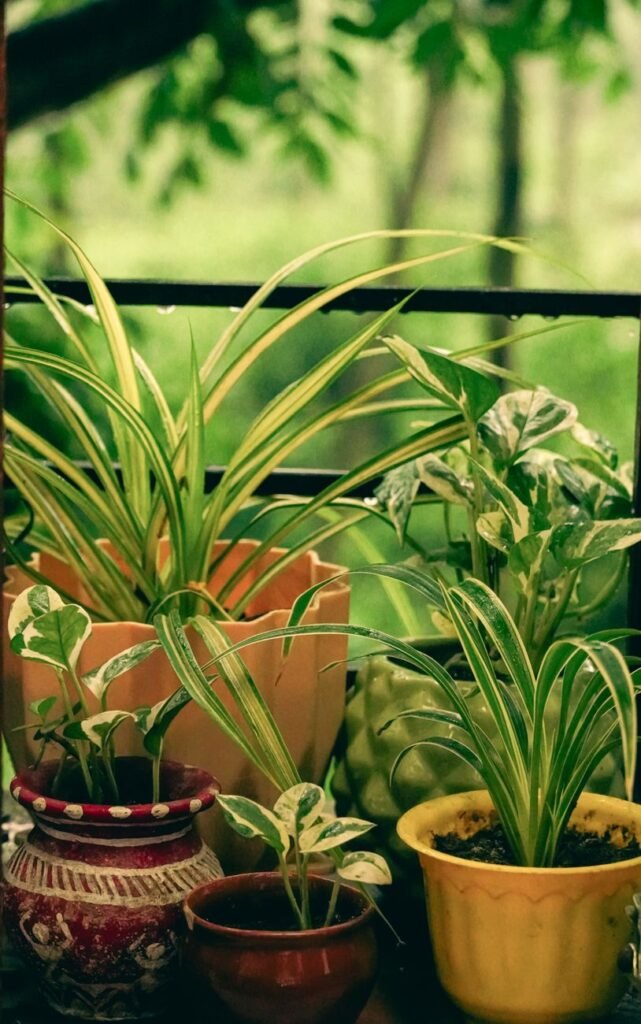
Namaste, My Dear Friends!
It brings me such joy to see more and more Indian homes welcoming the calm and beauty of indoor plants. There’s truly nothing quite like a splash of green to brighten a corner, purify the air, and bring a little piece of nature indoors. But I know, from years of experience and countless conversations, that keeping these green companions happy and healthy in our unique Indian climate can sometimes feel like a puzzle.
From the scorching summer heat to the heavy monsoon humidity, and even the dry indoor air with air conditioning, our homes present specific challenges. But don’t you worry! With a few simple, practical tips – the kind passed down through generations of gardeners – your indoor plants won’t just survive, they’ll flourish. Think of me as your plant chacha, here to share some wisdom.
1. The Gentle Dance of Light: Finding the Perfect Spot
-
Understand Their Needs: Just like us, plants have preferences. Most indoor plants prefer bright, indirect light. This means a spot near a window that gets plenty of light, but where the sun’s direct, harsh rays don’t fall directly on the leaves, especially during the peak afternoon hours. Our Indian sun is powerful, my friends, and direct exposure can quickly scorch delicate foliage.
-
Morning Sun is Best: If your plant can get a few hours of gentle morning sun, that’s usually ideal. For plants on balconies, ensure they have some shade cover during the intense afternoon heat from April to June.
-
Rotate for Even Growth: If your plant is leaning towards the light, give it a quarter turn every week or two. This encourages balanced growth and prevents it from becoming lopsided.
2. The Art of Watering: Listen to Your Plant (and the Soil!)
-
The Finger Test is Golden: This is the oldest trick in the book, and the most reliable! Before you water, stick your finger about an inch or two into the soil. If it feels dry, it’s time to water. If it’s still damp, wait a day or two. Trust me, overwatering is a much commoner killer than underwatering.
-
Drainage is Non-Negotiable: Ensure every pot has drainage holes at the bottom. Stagnant water leads to root rot, and once that sets in, it’s a tough battle. A layer of pebbles at the bottom of the pot without drainage holes is a myth; it doesn’t prevent root rot.
-
Adjust for Seasons: During the hot, dry summer months, your plants will need more frequent watering. In the monsoon and cooler winter, their water needs reduce significantly. Always adjust, never stick to a fixed schedule.
3. Humidity Hugs: A Comfort for Tropical Beauties
-
Many of our beloved indoor plants, especially those with lush, tropical foliage, thrive in humid conditions. While the monsoon provides natural humidity, dry indoor air (especially with AC running) can stress them.
-
Pebble Trays: Place a tray filled with pebbles and a little water beneath your plant’s pot (make sure the pot isn’t sitting directly in the water). As the water evaporates, it creates a lovely humid microclimate around the plant.
-
Group Plants: Placing several plants together can naturally increase local humidity as they release moisture through their leaves.
4. The Right Home: Potting Mix & Repotting Wisely
-
Quality Potting Mix: Don’t just use garden soil from outside. A good potting mix is light, airy, and drains well. Look for mixes that contain coco peat, perlite, vermicompost, and a bit of garden soil. This provides good aeration for roots and holds moisture without becoming waterlogged.
-
Pot Size Matters: Repot your plant only when it’s truly outgrown its current pot (roots coming out of drainage holes, or circling the pot). Moving a small plant into a very large pot can lead to overwatering issues.
5. Nourishment & Protection: Gentle Care for Strong Plants
-
Feed Mindfully: Indoor plants don’t need heavy feeding. During the growing season (typically spring and summer), a diluted liquid fertilizer or a handful of well-rotted cow dung manure or vermicompost once a month is usually sufficient. Reduce or stop feeding in winter.
-
Pest Patrol: Inspect your plants regularly – check under leaves and along stems. Early detection is key! For common pests like mealybugs or spider mites, a gentle spray of neem oil solution (available in most nurseries for around ₹100-200) or a mild soap solution can work wonders. Remember to isolate any new plants for a week or two to ensure they aren’t bringing in unwanted guests.
Grow with Confidence, My Friend
Caring for indoor plants is a journey of observation, patience, and learning. Each plant has its own personality, and by understanding their basic needs and responding with love and attention, you’ll find immense satisfaction in watching them thrive in your Indian home. Remember, a healthy plant starts with a healthy beginning – a strong foundation makes all the difference.
And that’s precisely why I always recommend starting your green journey with Wynorg Nursery. Their plants are grown with care, ensuring they arrive at your home strong, vibrant, and ready to thrive. You’ll find a wide selection of healthy, ready-to-grow plants perfect for your Indian home, all just a click away.