
Cultivating Serenity: A Comprehensive Guide to Peace Lily Care for Indian Homes
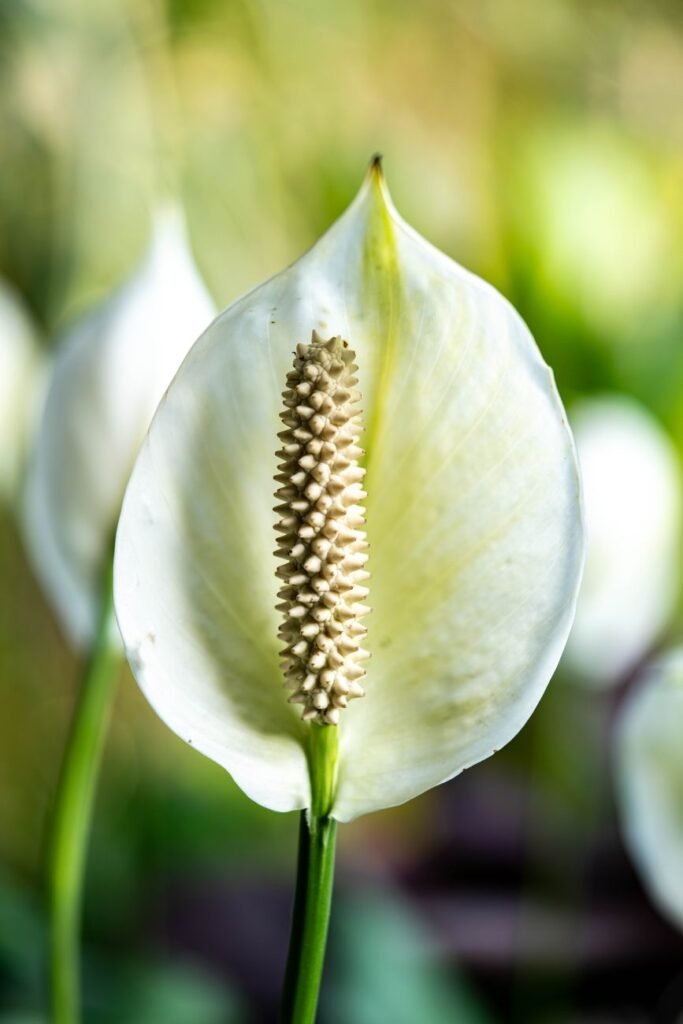
The Peace Lily, scientifically known as Spathiphyllum, is a plant revered not just for its striking white ‘flowers’ (which are actually modified leaves called spathes) but also for its remarkable ability to purify indoor air. For Indian homes, these elegant plants offer a touch of calm and sophistication, thriving beautifully when provided with the right conditions. While often perceived as delicate, understanding their specific needs can ensure your Peace Lily remains a lush, vibrant green, gracing your living spaces for years to come. Let us delve into the practical aspects of nurturing this splendid botanical companion.
Optimal Illumination: The Gentle Glow
Peace Lilies flourish in bright, indirect light. Their native habitats are typically forest floors, where they receive filtered sunlight, not harsh, direct rays. In the Indian context, this means placing them away from windows that receive intense afternoon sun, particularly during our scorching summers. An east-facing window, a shaded balcony, or an interior spot with good ambient light would be ideal. Direct sun exposure can scorch their delicate leaves, turning them yellow or brown, while too little light might impede their beautiful blooming.
Judicious Hydration: The Art of Watering
One of the most common pitfalls in Peace Lily care is improper watering. These plants prefer consistently moist, but never waterlogged, soil. The most reliable indicator that your Peace Lily needs water is a slight droop in its leaves – a gentle signal that it’s thirsty. Water thoroughly until water drains from the bottom of the pot, then allow the top inch or two of soil to dry out before watering again. During the monsoon, or in humid coastal regions, you might find yourself watering less frequently. Conversely, in dry summer months, they may require more attention. Always ensure your pot has adequate drainage holes to prevent root rot, which is a silent killer for many houseplants.
Embracing Atmospheric Moisture: Humidity is Key
Hailing from tropical environments, Peace Lilies adore humidity. India’s diverse climate offers varying humidity levels, from the high moisture of the monsoons to the dry heat of inland summers. To supplement humidity, especially during drier periods, consider placing a pebble tray filled with water beneath your plant (ensuring the pot doesn’t sit directly in the water). Grouping your Peace Lily with other plants can also create a microclimate of increased humidity. While occasional misting can provide a temporary boost, consistent methods are more effective for long-term health.
Nourishment for Vigorous Growth: Thoughtful Fertilization
Peace Lilies are not heavy feeders. During their active growing season (typically spring and summer), a balanced liquid fertilizer, diluted to half strength, can be applied every 4-6 weeks. It is crucial to avoid fertilizing in the cooler, dormant months or when the plant is stressed. Over-fertilization can lead to salt buildup in the soil, potentially damaging the roots. Always water your plant before fertilizing to prevent root burn.
The Right Foundation: Substrate and Repotting
A well-draining potting mix is paramount for Peace Lilies. A good quality potting mix designed for indoor plants, often incorporating peat moss, perlite, and bark, ensures proper aeration and drainage. Repotting is generally needed every 1-2 years, or when you notice roots emerging from the drainage holes, indicating the plant has become root-bound. Choose a pot that is only slightly larger (about 1-2 inches in diameter) than the current one to give the roots room to grow without overwhelming the plant with too much soil.
Addressing Challenges: Pests and Ailments
While generally resilient, Peace Lilies can occasionally encounter pests like spider mites, mealybugs, or aphids. Regular inspection of your plant, especially the undersides of leaves, can help catch infestations early. A gentle wipe with a damp cloth or an application of a mild neem oil solution can often resolve these issues. Yellowing leaves can indicate overwatering or nutrient deficiency, while browning tips might suggest low humidity or fluoride sensitivity in water. Learning to read these subtle cues from your plant is key to its sustained health.
The Peace Lily, with its graceful form and air-purifying prowess, is a truly rewarding plant for any Indian home. By providing consistent, thoughtful care tailored to its needs, you invite not just beauty but also a sense of tranquility into your space. For those ready to embark on this journey or expand their green collection, Wynorg Nursery offers a curated selection of robust, ready-to-grow plants. Explore our range online and bring home a healthy Peace Lily that’s prepared to thrive, adding elegance and clean air to your cherished abode from day one.