
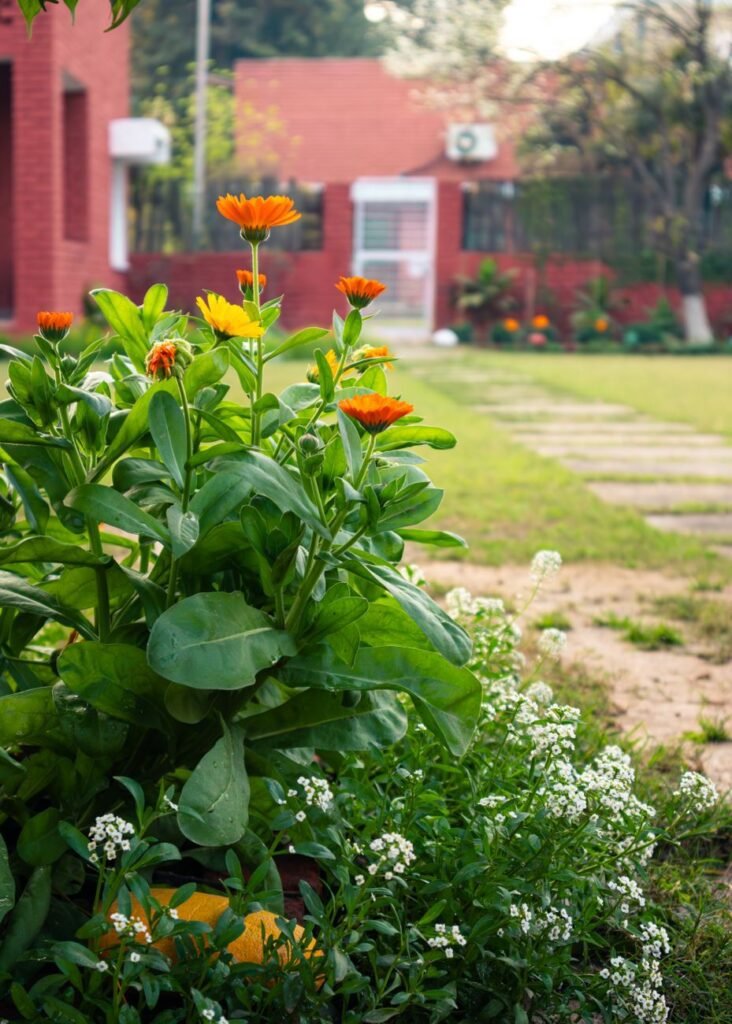
Hello, Future Gardeners! Let’s Grow Something Beautiful Together!
There’s a special kind of magic that comes with watching something grow from a tiny seed or a small plant in your own backyard. If you’ve been dreaming of having a vibrant garden, a peaceful green space, or even a small patch of fresh vegetables right outside your door, you’re in the right place! Starting a garden in an Indian backyard, with our unique climate and rich biodiversity, is an incredibly rewarding journey. It might seem like a big task, but trust me, it’s simpler than you think. Think of it like cooking a delicious meal; you just need the right ingredients and a little love. So, let’s roll up our sleeves and dig into how you can start your very own backyard paradise!
1. Choosing Your Spot: The Sun is Your Best Friend (and Vastu Too!)
Just like we need a comfortable home, your plants need the perfect location. Most flowering plants and vegetables are sun-worshippers, needing at least 6-8 hours of direct sunlight daily to thrive. Spend a day observing your backyard; note where the sun falls throughout the morning, afternoon, and evening. This will tell you the best sunny spots for your garden beds. Also, consider easy access to a water source – hauling buckets across the yard can become tiresome quickly!
For those who follow Vastu Shastra, placing your garden in the North or East directions is often considered auspicious for positive energy flow. While not a strict rule for plant growth, it’s a wonderful way to harmonize your home with nature and bring an added layer of peace to your gardening efforts.
2. Soil: The Foundation of All Life (Your Garden’s Soul)
Imagine your soil as the stomach of your plants; for them to be healthy, their ‘food’ needs to be rich and nutritious! Indian soils can vary greatly, from clayey and heavy to sandy and quick-draining. The good news is, you can improve almost any soil. Start by assessing what you have. If it’s hard and clumpy, it probably needs aeration and organic matter. If it’s too sandy, it needs help retaining moisture and nutrients.
The magic ingredient here is organic matter. Mix in plenty of well-rotted cow dung manure (gobar khaad), compost (either homemade or purchased), and neem cake. This creates a fluffy, nutrient-rich bed that allows roots to breathe and water to drain well while holding onto essential nutrients. Don’t be afraid to get your hands dirty; good soil preparation is the secret to a thriving garden!
3. Picking Your Plants: Local Loves & Seasonal Stars
For a beginner, the key is to start with plants that are known to do well in your local Indian climate and are relatively forgiving. Think about what you love to eat or see! Seasonal vegetables like tomatoes, chillies, spinach, gourds (lauki, turai), and brinjal are excellent choices for a kitchen garden. For flowers, hardy varieties like marigolds, hibiscus, and periwinkle (sadabahar) add vibrant colour and are quite resilient.
Consider the extreme Indian summer heat and the monsoon’s heavy rains. Opt for heat-tolerant varieties for summer and ensure good drainage for plants during the monsoon. Starting with saplings rather than seeds can also give you a head start and boost your confidence!
4. The Art of Watering: A Monsoon Dance & Summer Strategy
Watering correctly is an art, not a science, and it changes with our seasons. During peak Indian summers, your plants will need more frequent watering, often daily, especially in the mornings or late evenings to prevent rapid evaporation. A good layer of mulch (like dried leaves or wood chips) around your plants can help the soil retain moisture, keeping your plant’s roots cool and happy.
Come monsoon, however, you’ll need to be careful! Overwatering is a common killer. Reduce your watering frequency significantly and ensure your garden beds have excellent drainage to prevent waterlogging, which can lead to root rot. Always check the soil moisture with your finger before watering – if the top inch feels damp, hold off for a bit.
5. Gentle Care: Protecting Your Green Babies
As your garden grows, you’ll inevitably encounter a few unwelcome guests – pests! Don’t panic; it’s a natural part of gardening. The best approach for beginners is to observe your plants regularly. Catching issues early makes them much easier to manage. For common pests, organic solutions like neem oil spray (easily available at local nurseries or online for a few hundred rupees) are effective and safe.
Regular weeding is also crucial. Weeds compete with your plants for nutrients, water, and sunlight. Make it a habit to spend a few minutes each week gently pulling out weeds, especially after the monsoon when they tend to sprout rapidly. This simple act keeps your garden neat and your plants healthy.
Your Green Journey Begins Now!
Starting a garden in your Indian backyard is a journey of discovery, patience, and immense joy. It’s a wonderful way to connect with nature, enjoy fresh produce, and add beauty to your home. Don’t worry about making mistakes; every gardener learns from experience, and that’s part of the fun!
Ready to bring your garden dreams to life? At Wynorg Nursery, we believe gardening should be easy and enjoyable for everyone. That’s why we offer a wide range of healthy, ready-to-grow plants and all the essential gardening supplies, carefully selected for the Indian climate. Visit our online store today and find the perfect green companions to kickstart your beautiful backyard garden!