FIROZ KHAN

Unveiling the Timeless Elegance of the Indoor Ficus Plant: A Guide to Cultivating Green Tranquility

Indoor plants are more than just decorative elements; they breathe life into our living spaces, infusing them with a sense of calm and tranquility. Among these botanical treasures, the Indoor Ficus Plant stands as an icon of timeless elegance and grace. In this blog, we’ll embark on a journey to explore the captivating world of the Indoor Ficus Plant, uncovering its beauty, care needs, and the many ways it enhances our homes and offices. find more info The Allure of Indoor Ficus: A Visual Symphony The Allure of Indoor Ficus: A Visual Symphony Imagine a plant that effortlessly transforms any room into an enchanting oasis of greenery. The Indoor Ficus Plant does just that with its lush, glossy foliage that gracefully cascades from its branches. Its tall, slender silhouette adds a touch of sophistication, making it a versatile choice for any interior design style. Whether placed by a sunny window or in a well-lit corner, the Indoor Ficus becomes a living masterpiece that captures attention and soothes the senses. Easy-Care Elegance: A Perfect Match for Your Lifestyle Easy-Care Elegance: A Perfect Match for Your Lifestyle While its visual allure is undeniable, the Indoor Ficus Plant also boasts an easy-care nature that makes it an ideal companion for busy individuals and novice plant parents. Thriving in moderate to bright indirect light, this plant adapts effortlessly to various indoor environments. Its low-maintenance requirements mean you can enjoy the beauty of nature without the constant worry of elaborate care routines. A Breath of Fresh Air: Air-Purifying Qualities A Breath of Fresh Air: Air-Purifying Qualities Beyond its aesthetic charm, the Indoor Ficus Plant serves as a natural air purifier, improving the quality of the air we breathe. As it absorbs pollutants and releases oxygen, it creates a cleaner and fresher atmosphere indoors. This not only benefits our physical health but also enhances our overall well-being and productivity. Cultivating Green Tranquility: Care Tips and Insights Cultivating Green Tranquility: Care Tips and Insights Caring for your Indoor Ficus Plant is a rewarding experience that requires attention to a few key details. Ensuring it receives the right amount of light and avoiding sudden temperature changes are essential. Regular watering, allowing the soil to slightly dry between waterings, is crucial for maintaining its health. Gently wiping its leaves to remove dust ensures optimal photosynthesis and maintains its glossy appearance. Embrace the Green Symphony: Elevate Your Space Embrace the Green Symphony: Elevate Your Space Incorporating the Indoor Ficus Plant into your living or working space elevates its aesthetic and creates a harmonious environment. Its calming presence adds a touch of nature’s grace to modern apartments, traditional homes, and even office settings. Whether you’re seeking a focal point or an understated addition, the Indoor Ficus Plant’s versatility makes it an excellent choice. Conclusion Conclusion The Indoor Ficus Plant is more than a plant; it’s a symphony of elegance, grace, and well-being. Its captivating beauty, air-purifying qualities, and easy-care attributes make it a beloved companion for those who cherish greenery in their lives. Embrace the allure of the Indoor Ficus Plant, and witness how it transforms your surroundings into a haven of tranquility. As you nurture this living masterpiece, you’ll not only cultivate a connection with nature but also enrich your living space with its timeless elegance. Read more Read more

Unveiling the Timeless Elegance of the Indoor Ficus Plant: A Guide to Cultivating Green Tranquility Read More »

Mastering the Art of Garden Watering: Essential Tips for Healthy Growth

Watering your garden may seem like a simple task, but it is an essential skill that can make all the difference between a flourishing paradise and a lackluster landscape. Proper watering not only sustains the health and vitality of your plants but also fosters their growth and resilience against environmental challenges. In this blog, we will delve into the art of garden watering and share invaluable tips to help you nurture a thriving, lush garden that brings joy and beauty to your outdoor haven. 1. Watering Frequency browse around these guys 1. Watering Frequency Understanding the watering needs of different plants is crucial for successful garden care. Some plants, like succulents and cacti, prefer infrequent watering, while others, such as annuals and vegetables, require more regular moisture. Observe the soil’s moisture level and the appearance of your plants to determine their individual watering frequency. 2. Early Morning Watering 2. Early Morning Watering The best time to water your garden is early in the morning, as the temperatures are cooler, and the sunlight is less intense. This ensures that the water reaches the roots before evaporating, reducing the risk of fungal diseases. Avoid watering during the hottest part of the day, as water droplets on leaves may magnify sunlight and cause leaf burns. 3. Deep and Even Watering 3. Deep and Even Watering When watering, aim for deep and even penetration into the soil. Shallow watering can lead to weak root systems, making plants more susceptible to stress and drought. Use a soaker hose, drip irrigation, or a watering can with a gentle, steady flow to ensure water reaches the root zone. 4. Mulching Magic 4. Mulching Magic Mulching is a garden superhero when it comes to water retention and weed suppression. Apply a layer of organic mulch around your plants to reduce evaporation, maintain soil moisture, and keep roots cool during hot weather. 5. Water at Root Level 5. Water at Root Level Direct the water flow at the base of the plant, avoiding the leaves whenever possible. Wet foliage can attract pests and diseases, so it’s best to water at root level to keep your plants healthy and thriving. 6. Watch for Signs of Overwatering and Underwatering 6. Watch for Signs of Overwatering and Underwatering Keep a keen eye on your garden for signs of overwatering (wilting, yellowing leaves, mold, or algae growth) and underwatering (drooping leaves, soil pulling away from the edges of containers). Adjust your watering schedule accordingly to prevent plant stress. 7. Consistency is Key 7. Consistency is Key Maintain a consistent watering schedule to establish a healthy routine for your plants. Avoid irregular or excessive watering, as it can lead to imbalances in soil moisture and negatively affect plant health. 8. Watering New Plantings 8. Watering New Plantings Newly planted seedlings or transplants require extra care and attention. Water them more frequently to help them establish their roots in their new environment. 9. Rainwater Harvesting 9. Rainwater Harvesting Consider collecting rainwater in a barrel or container. Rainwater is free of chemicals and preferred by many plants, making it an eco-friendly and cost-effective watering option. 10. Self-Watering Systems 10. Self-Watering Systems Invest in self-watering systems or automatic timers, especially if you have a large garden or plan to be away for an extended period. These systems can provide a consistent water supply to your plants, ensuring they stay healthy even in your absence. Conclusion Conclusion Conclusion Watering your garden is an art that requires a delicate balance of timing, technique, and observation. By understanding your plants’ specific needs and implementing these essential watering tips, you can create a vibrant, thriving garden that rewards you with beauty and joy throughout the seasons. So, go ahead, embrace the art of garden watering, and watch your outdoor haven flourish like never before. Happy gardening! Transform your garden into a lush paradise with our expert garden service team. From watering and planting to landscaping and maintenance, we cater to all your gardening needs. Experience the joy of outdoor living and schedule a consultation today to bring your dream garden to life. Let our green thumbs work their magic! Transform your garden into a lush paradise with our expert garden service team. From watering and planting to landscaping and maintenance, we cater to all your gardening needs. Experience the joy of outdoor living and schedule a consultation today to bring your dream garden to life. Let our green thumbs work their magic! Call now +9175599 48222 Call now +9175599 48222

Mastering the Art of Garden Watering: Essential Tips for Healthy Growth Read More »

Nature’s Canvas: The Transformative Power of Landscaping for Houses, Commercial Buildings and Resorts

Landscaping is an art that harmoniously blends nature’s beauty with the built environment, transforming houses or resorts into serene havens. Whether you’re a homeowner seeking to create a captivating outdoor space or a resort owner aiming to offer a memorable experience to guests, landscaping can be the key to achieving these goals. In this blog, we will explore the numerous advantages of landscaping around houses or resorts, highlighting the visual appeal, environmental benefits, and overall well-being it brings. 1. Aesthetics that Captivate 1. Aesthetics that Captivate Landscaping around houses or resorts adds a touch of enchantment to any property. Lush green lawns, colorful flowerbeds, and well-placed shrubs create a captivating visual appeal, leaving a lasting impression on visitors. The carefully curated landscape not only complements the architectural design but also reflects the personality and style of the property owner or resort. 2. Enhancing Property Value 2. Enhancing Property Value Investing in landscaping can significantly increase the value of both residential and commercial properties. A beautifully landscaped exterior boosts curb appeal, enticing potential buyers and increasing the overall market value. For resorts, an alluring landscape can be a major selling point, attracting guests seeking a relaxing and visually pleasing vacation experience. 3. Environmental Benefits _com 3. Environmental Benefits A thoughtfully designed landscape contributes to environmental conservation. Trees, shrubs, and grassy areas help reduce soil erosion and filter pollutants, improving water quality. Landscaping also plays a crucial role in biodiversity, providing habitats for various bird species, butterflies, and beneficial insects. In addition, well-maintained green spaces help combat the urban heat island effect, creating cooler microclimates in urban or resort areas. 4. Relaxation and Well-Being 4. Relaxation and Well-Being Surrounding houses or resorts with a beautiful landscape creates a sense of tranquility and promotes well-being. Natural elements have a calming effect, reducing stress levels and enhancing mental health. Residents and guests can enjoy leisurely walks, find peaceful spots to unwind, and connect with nature, fostering a deeper sense of contentment and relaxation. 5. Privacy and Noise Reduction 5. Privacy and Noise Reduction Strategically planted trees and shrubs act as natural barriers, providing privacy for homeowners and resort guests. Landscaping helps shield properties from prying eyes and noise, creating a more peaceful and intimate environment. In a resort setting, guests can enjoy their stay without feeling exposed to the hustle and bustle of the surrounding areas. 6. Energy Efficiency 6. Energy Efficiency Well-placed trees and vegetation can contribute to energy efficiency for both houses and resorts. In hot climates, shading from trees can reduce the need for excessive air conditioning, leading to lower energy consumption. Conversely, evergreen trees can act as windbreaks, reducing heat loss during colder seasons. Conclusion Conclusion Landscaping around houses or resorts offers a myriad of advantages, from creating a visually captivating environment to promoting environmental sustainability and well-being. Embracing the beauty of nature and integrating it into the design of your property not only enhances its value but also enriches the lives of those who inhabit or visit it. So, whether you’re a homeowner, urban building or a resort owner, consider landscaping as an investment that rewards you with serenity, beauty, and a deeper connection to the natural world. Contact now for a free consultation +91 75599 48222 +91 75599 48222 Echeveria Plant: Unveiling Nature’s Living Masterpiece Echeveria Plant: Unveiling Nature’s Living Masterpiece Aloe Vera: The Timeless Elixir of Beauty and Wellness Aloe Vera: The Timeless Elixir of Beauty and Wellness Unveiling the Enigmatic Elegance of the Haworthia Plant Unveiling the Enigmatic Elegance of the Haworthia Plant Title: Syngonium Starlight Plant: Unveiling the Celestial Charm in Your Home Title: Syngonium Starlight Plant: Unveiling the Celestial Charm in Your Home

Nature’s Canvas: The Transformative Power of Landscaping for Houses, Commercial Buildings and Resorts Read More »

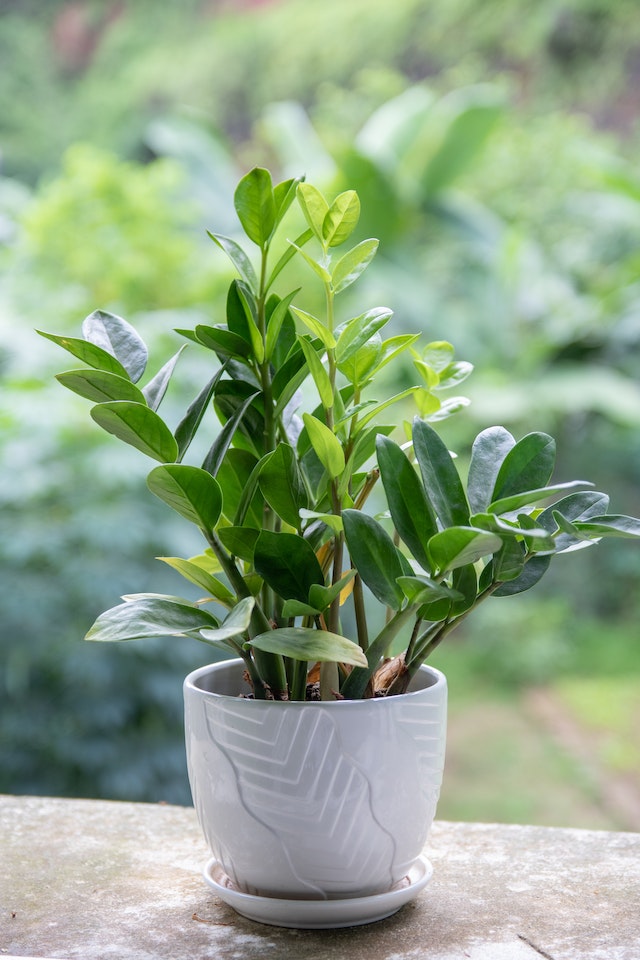
Discover the Captivating Beauty of ZZ Plant & Care Guide

Introduction: Are you searching for the perfect houseplant to enhance your living space effortlessly? Look no further than the ZZ Plant (Zamioculcas zamiifolia)! With its glossy green foliage and remarkable resilience, the ZZ Plant is a popular choice among plant enthusiasts worldwide. In this blog, we will delve into why this captivating plant is a must-have addition to your home, how to care for it, and the numerous benefits it brings to your indoor environment. Let’s unlock the secrets of this botanical gem and discover why you should consider inviting the ZZ Plant into your life! Beauty that Inspires: The ZZ Plant’s glossy, emerald-green leaves exude an unmatched elegance, elevating the aesthetic appeal of any room. Its feather-like leaflets create a visually stunning display that effortlessly complements various interior styles, from modern to traditional. The ZZ Plant’s enchanting presence evokes a sense of serenity and connection to nature, providing a refreshing atmosphere in your home. Low-Maintenance Wonder: Busy schedule? Not a problem! The ZZ Plant is renowned for its low-maintenance requirements, making it an ideal choice for both seasoned plant lovers and beginners alike. Thriving in low light and low humidity environments, it can thrive in corners that rarely see sunlight, making it perfect for apartments or offices with limited natural light. Plus, it’s highly tolerant of irregular watering, so you can bid farewell to worrying about daily care routines! Resilience and Endurance: The ZZ Plant is a survivor! Its ability to withstand neglect and drought is unparalleled, ensuring your plant remains vibrant and green, even during periods of unintentional neglect. This remarkable resilience serves as an inspiration to keep pushing forward, reminding us to find strength in challenging times and appreciate life’s simplest joys. Air-Purifying Properties: Beyond its visual charm, the ZZ Plant offers fantastic health benefits for your indoor environment. As an air-purifying powerhouse, it filters toxins from the air, such as formaldehyde and benzene, improving the overall air quality in your home. This plant will not only brighten up your space but also contribute to a healthier living environment for you and your loved ones. Care Guide for Thriving ZZ Plants: Caring for your ZZ Plant is a breeze! Provide it with well-draining soil and allow the top two inches to dry out before watering again. Keep it away from direct sunlight, as it prefers indirect light conditions. Fertilize sparingly, and repot only when necessary to avoid root disturbance. With these simple guidelines, your ZZ Plant will thrive and become an enduring source of beauty and inspiration. . Beauty that Inspires: The ZZ Plant’s glossy, emerald-green leaves exude an unmatched elegance, elevating the aesthetic appeal of any room. Its feather-like leaflets create a visually stunning display that effortlessly complements various interior styles, from modern to traditional. The ZZ Plant’s enchanting presence evokes a sense of serenity and connection to nature, providing a refreshing atmosphere in your home. Low-Maintenance Wonder: Busy schedule? Not a problem! The ZZ Plant is renowned for its low-maintenance requirements, making it an ideal choice for both seasoned plant lovers and beginners alike. Thriving in low light and low humidity environments, it can thrive in corners that rarely see sunlight, making it perfect for apartments or offices with limited natural light. Plus, it’s highly tolerant of irregular watering, so you can bid farewell to worrying about daily care routines! Resilience and Endurance: The ZZ Plant is a survivor! Its ability to withstand neglect and drought is unparalleled, ensuring your plant remains vibrant and green, even during periods of unintentional neglect. This remarkable resilience serves as an inspiration to keep pushing forward, reminding us to find strength in challenging times and appreciate life’s simplest joys. Air-Purifying Properties: Beyond its visual charm, the ZZ Plant offers fantastic health benefits for your indoor environment. As an air-purifying powerhouse, it filters toxins from the air, such as formaldehyde and benzene, improving the overall air quality in your home. This plant will not only brighten up your space but also contribute to a healthier living environment for you and your loved ones. Care Guide for Thriving ZZ Plants: Caring for your ZZ Plant is a breeze! Provide it with well-draining soil and allow the top two inches to dry out before watering again. Keep it away from direct sunlight, as it prefers indirect light conditions. Fertilize sparingly, and repot only when necessary to avoid root disturbance. With these simple guidelines, your ZZ Plant will thrive and become an enduring source of beauty and inspiration. Conclusion: The ZZ Plant is a captivating and low-maintenance addition to your home that offers not only visual beauty but also numerous health benefits. Its resilience and adaptability make it the perfect companion for those with busy lifestyles or little gardening experience. As you welcome this delightful plant into your life, embrace its ability to inspire, uplift, and remind us of life’s simple joys. Discover the beauty and charm of the ZZ Plant today and witness the transformative power it brings to your living space!

Discover the Captivating Beauty of ZZ Plant & Care Guide Read More »

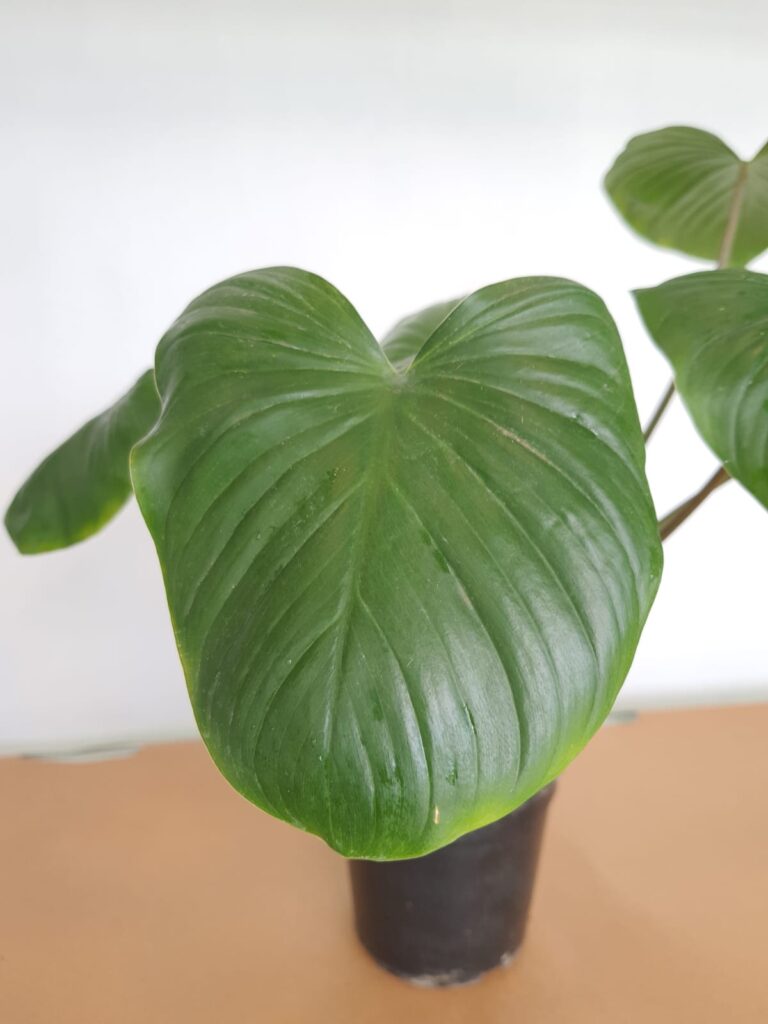
Homalomena Plant: Discover the Exotic Beauty for Your Home

If you’re seeking a unique and visually captivating addition to your indoor garden, look no further than the Homalomena plant. With its striking foliage and tropical charm, this lesser-known gem is sure to add a touch of exotic beauty to your living spaces. In this blog, we will delve into the fascinating world of the Homalomena plant, exploring its unique features, care requirements, and why it deserves a prime spot in your indoor plant collection. Get ready to be enchanted by the allure of this extraordinary botanical wonder! Meet the Homalomena Plant: The Homalomena plant, also known as Homalomena rostrata, hails from the tropical rainforests of Southeast Asia. Known for its large, elongated leaves with prominent veining, the Homalomena exudes an air of sophistication that sets it apart from more common houseplants. Exquisite Foliage: One of the Homalomena’s most alluring features is its lush foliage. The leaves showcase striking patterns, ranging from deep green to bronze hues, adorned with intricate veins that add depth and character to the plant. Whether you opt for a solid-colored variety or a captivating variegated form, the Homalomena is sure to captivate with its unique foliage. Ideal Indoor Conditions: The Homalomena thrives in indoor environments, making it an excellent choice for homes and offices alike. It prefers bright, indirect light, as direct sunlight can scorch its leaves. Placing it near a window with filtered light or using sheer curtains to diffuse sunlight works best. Additionally, maintaining a warm and humid environment mirrors its natural tropical habitat and ensures the plant’s well-being. Watering and Care: Moderate watering is key to keeping your Homalomena healthy. Allow the top inch of soil to dry between waterings, ensuring the soil remains moist but not soggy. Overwatering can lead to root rot, so strike the right balance. Regular misting helps maintain the desired humidity levels, especially during dry seasons or in centrally heated homes. Potting Mix and Repotting: A well-draining potting mix, such as one containing peat moss, perlite, and orchid bark, is ideal for the Homalomena. Ensure the pot has proper drainage holes to prevent waterlogging. Repot the plant every two years or when you notice its roots becoming pot-bound, providing ample space for its roots to grow and thrive. Fertilizing: Feed your Homalomena with a balanced, water-soluble fertilizer during the growing season (spring and summer) to promote healthy growth. Avoid fertilizing during the winter months when the plant enters a dormant phase. Unique Air-Purifying Qualities: Beyond its beauty, the Homalomena contributes to a healthier indoor environment by purifying the air. It filters out harmful toxins, such as formaldehyde and benzene, making it an excellent choice for improving indoor air quality. Meet the Homalomena Plant: The Homalomena plant, also known as Homalomena rostrata, hails from the tropical rainforests of Southeast Asia. Known for its large, elongated leaves with prominent veining, the Homalomena exudes an air of sophistication that sets it apart from more common houseplants. go to this site Exquisite Foliage: One of the Homalomena’s most alluring features is its lush foliage. The leaves showcase striking patterns, ranging from deep green to bronze hues, adorned with intricate veins that add depth and character to the plant. Whether you opt for a solid-colored variety or a captivating variegated form, the Homalomena is sure to captivate with its unique foliage. Ideal Indoor Conditions: The Homalomena thrives in indoor environments, making it an excellent choice for homes and offices alike. It prefers bright, indirect light, as direct sunlight can scorch its leaves. Placing it near a window with filtered light or using sheer curtains to diffuse sunlight works best. Additionally, maintaining a warm and humid environment mirrors its natural tropical habitat and ensures the plant’s well-being. Watering and Care: Moderate watering is key to keeping your Homalomena healthy. Allow the top inch of soil to dry between waterings, ensuring the soil remains moist but not soggy. Overwatering can lead to root rot, so strike the right balance. Regular misting helps maintain the desired humidity levels, especially during dry seasons or in centrally heated homes. Potting Mix and Repotting: A well-draining potting mix, such as one containing peat moss, perlite, and orchid bark, is ideal for the Homalomena. Ensure the pot has proper drainage holes to prevent waterlogging. Repot the plant every two years or when you notice its roots becoming pot-bound, providing ample space for its roots to grow and thrive. Fertilizing: Feed your Homalomena with a balanced, water-soluble fertilizer during the growing season (spring and summer) to promote healthy growth. Avoid fertilizing during the winter months when the plant enters a dormant phase. Unique Air-Purifying Qualities: Beyond its beauty, the Homalomena contributes to a healthier indoor environment by purifying the air. It filters out harmful toxins, such as formaldehyde and benzene, making it an excellent choice for improving indoor air quality. Conclusion: The Homalomena plant is a hidden gem waiting to be discovered in the world of indoor gardening. Its exquisite foliage, low-maintenance care requirements, and air-purifying capabilities make it a standout addition to any plant collection. Embrace the allure of the Homalomena and bring a touch of tropical elegance to your home or office. With its unique charm and ability to thrive in indoor settings, this extraordinary plant is sure to mesmerize and become a treasured centerpiece in your indoor garden. Explore our curated selection of Homalomena plants and experience the beauty of this exotic gem firsthand. Happy gardening!

Homalomena Plant: Discover the Exotic Beauty for Your Home Read More »

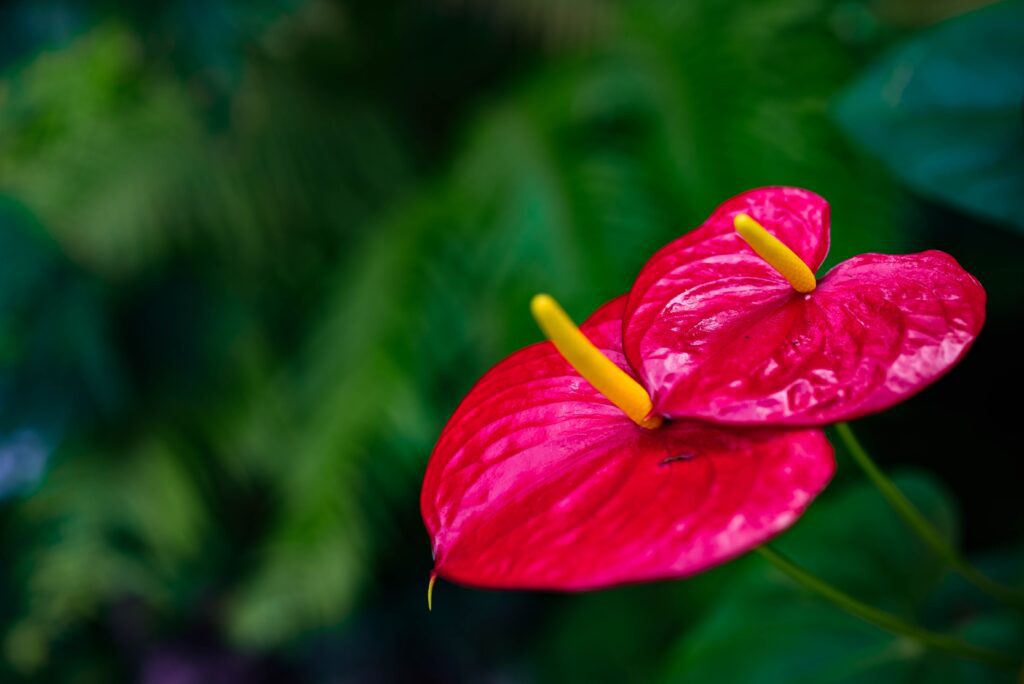
The Ultimate Guide to Growing and Caring for Anthurium Plants: Tips for Beautiful Blooms

Anthurium plants, known for their captivating heart-shaped flowers and glossy foliage, have become a sought-after choice for both indoor and outdoor gardeners. These tropical beauties boast stunning colors and are relatively easy to care for, making them a fantastic addition to any plant lover’s collection. In this comprehensive guide, we will delve into the fascinating world of anthuriums, covering essential tips for choosing the right plant, providing ideal growing conditions, proper care, and troubleshooting common issues. Get ready to cultivate and nurture these exquisite flowering plants to perfection! Understanding Anthuriums: Anthuriums, part of the Araceae family, are native to the tropical regions of Central and South America. Their unique inflorescence, featuring the spadix and the spathe, offers a wide array of colors, including red, pink, white, orange, and green. Selecting the Perfect Anthurium Plant: Choosing a healthy anthurium plant is vital for a thriving garden. Look for vibrant, unblemished leaves and a well-developed root system. Preferably, select a plant with one or two open flowers to ensure you get the desired color and size. Optimal Growing Conditions: Sunlight, Humidity, and Temperature To keep your anthurium plant happy, provide it with bright, indirect light. Placing it near a window with a sheer curtain or in a spot with filtered sunlight is ideal, as direct sunlight can scorch its leaves. Anthuriums thrive in warm, humid environments akin to their tropical habitats, so maintain a temperature range between 65°F to 80°F (18°C to 27°C). Potting and Soil: Anthuriums require well-draining soil to prevent waterlogging and promote healthy root growth. Opt for a mix containing perlite, peat moss, and orchid bark, as this blend retains some moisture while allowing excess water to drain away. Ensure the pot has drainage holes for optimal plant health. Watering Wisely: Moderate, consistent watering is key to keeping your anthurium thriving. Allow the top inch of the soil to dry before watering again. Overwatering can lead to root rot, while underwatering may result in wrinkled leaves. Striking the right balance is essential for a healthy plant. Nourishing Your Anthurium: During the growing season (spring and summer), feed your anthurium with a balanced, water-soluble fertilizer every two to four weeks. Reduce or stop fertilizing during the cooler months when the plant enters a dormant phase. Pruning and Repotting: Pruning dead or damaged leaves not only improves aesthetics but also helps maintain your plant’s overall health. Repot your anthurium every two to three years, preferably in spring when the plant is actively growing. Choose a slightly larger pot to accommodate root expansion. Troubleshooting Common Issues: Regularly inspect your anthurium for pests such as aphids and mealybugs, as well as signs of diseases like root rot. Address issues promptly with appropriate measures, such as using insecticidal soap or adjusting watering habits. Understanding Anthuriums: Anthuriums, part of the Araceae family, are native to the tropical regions of Central and South America. Their unique inflorescence, featuring the spadix and the spathe, offers a wide array of colors, including red, pink, white, orange, and green. Selecting the Perfect Anthurium Plant: Choosing a healthy anthurium plant is vital for a thriving garden. Look for vibrant, unblemished leaves and a well-developed root system. Preferably, select a plant with one or two open flowers to ensure you get the desired color and size. Optimal Growing Conditions: Sunlight, Humidity, and Temperature To keep your anthurium plant happy, provide it with bright, indirect light. Placing it near a window with a sheer curtain or in a spot with filtered sunlight is ideal, as direct sunlight can scorch its leaves. Anthuriums thrive in warm, humid environments akin to their tropical habitats, so maintain a temperature range between 65°F to 80°F (18°C to 27°C). Potting and Soil: Anthuriums require well-draining soil to prevent waterlogging and promote healthy root growth. Opt for a mix containing perlite, peat moss, and orchid bark, as this blend retains some moisture while allowing excess water to drain away. Ensure the pot has drainage holes for optimal plant health. Watering Wisely: Moderate, consistent watering is key to keeping your anthurium thriving. Allow the top inch of the soil to dry before watering again. Overwatering can lead to root rot, while underwatering may result in wrinkled leaves. Striking the right balance is essential for a healthy plant. Nourishing Your Anthurium: During the growing season (spring and summer), feed your anthurium with a balanced, water-soluble fertilizer every two to four weeks. Reduce or stop fertilizing during the cooler months when the plant enters a dormant phase. anonymous Pruning and Repotting: Pruning dead or damaged leaves not only improves aesthetics but also helps maintain your plant’s overall health. Repot your anthurium every two to three years, preferably in spring when the plant is actively growing. Choose a slightly larger pot to accommodate root expansion. Troubleshooting Common Issues: Regularly inspect your anthurium for pests such as aphids and mealybugs, as well as signs of diseases like root rot. Address issues promptly with appropriate measures, such as using insecticidal soap or adjusting watering habits. Growing and caring for anthurium plants is a gratifying experience that rewards you with stunning blooms and lush foliage. By providing optimal conditions, watering mindfully, and showing your anthurium some tender care, you can create an enchanting centerpiece in your garden or indoor space. With patience and attention to detail, you’ll become a skilled gardener, mastering the art of cultivating these tropical beauties. Happy gardening, and may your anthuriums flourish and thrive!

The Ultimate Guide to Growing and Caring for Anthurium Plants: Tips for Beautiful Blooms Read More »

Shopping Basket