Indoor Plants

Discover the Captivating Beauty of ZZ Plant & Care Guide

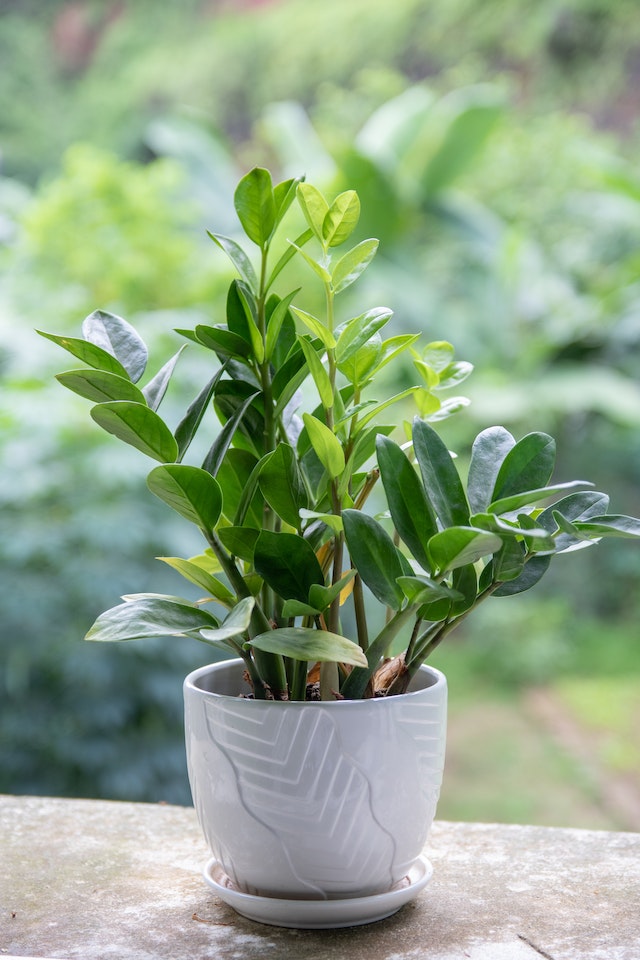
Introduction: Are you searching for the perfect houseplant to enhance your living space effortlessly? Look no further than the ZZ Plant (Zamioculcas zamiifolia)! With its glossy green foliage and remarkable resilience, the ZZ Plant is a popular choice among plant enthusiasts worldwide. In this blog, we will delve into why this captivating plant is a must-have addition to your home, how to care for it, and the numerous benefits it brings to your indoor environment. Let’s unlock the secrets of this botanical gem and discover why you should consider inviting the ZZ Plant into your life! Beauty that Inspires: The ZZ Plant’s glossy, emerald-green leaves exude an unmatched elegance, elevating the aesthetic appeal of any room. Its feather-like leaflets create a visually stunning display that effortlessly complements various interior styles, from modern to traditional. The ZZ Plant’s enchanting presence evokes a sense of serenity and connection to nature, providing a refreshing atmosphere in your home. Low-Maintenance Wonder: Busy schedule? Not a problem! The ZZ Plant is renowned for its low-maintenance requirements, making it an ideal choice for both seasoned plant lovers and beginners alike. Thriving in low light and low humidity environments, it can thrive in corners that rarely see sunlight, making it perfect for apartments or offices with limited natural light. Plus, it’s highly tolerant of irregular watering, so you can bid farewell to worrying about daily care routines! Resilience and Endurance: The ZZ Plant is a survivor! Its ability to withstand neglect and drought is unparalleled, ensuring your plant remains vibrant and green, even during periods of unintentional neglect. This remarkable resilience serves as an inspiration to keep pushing forward, reminding us to find strength in challenging times and appreciate life’s simplest joys. Air-Purifying Properties: Beyond its visual charm, the ZZ Plant offers fantastic health benefits for your indoor environment. As an air-purifying powerhouse, it filters toxins from the air, such as formaldehyde and benzene, improving the overall air quality in your home. This plant will not only brighten up your space but also contribute to a healthier living environment for you and your loved ones. Care Guide for Thriving ZZ Plants: Caring for your ZZ Plant is a breeze! Provide it with well-draining soil and allow the top two inches to dry out before watering again. Keep it away from direct sunlight, as it prefers indirect light conditions. Fertilize sparingly, and repot only when necessary to avoid root disturbance. With these simple guidelines, your ZZ Plant will thrive and become an enduring source of beauty and inspiration. . Beauty that Inspires: The ZZ Plant’s glossy, emerald-green leaves exude an unmatched elegance, elevating the aesthetic appeal of any room. Its feather-like leaflets create a visually stunning display that effortlessly complements various interior styles, from modern to traditional. The ZZ Plant’s enchanting presence evokes a sense of serenity and connection to nature, providing a refreshing atmosphere in your home. Low-Maintenance Wonder: Busy schedule? Not a problem! The ZZ Plant is renowned for its low-maintenance requirements, making it an ideal choice for both seasoned plant lovers and beginners alike. Thriving in low light and low humidity environments, it can thrive in corners that rarely see sunlight, making it perfect for apartments or offices with limited natural light. Plus, it’s highly tolerant of irregular watering, so you can bid farewell to worrying about daily care routines! Resilience and Endurance: The ZZ Plant is a survivor! Its ability to withstand neglect and drought is unparalleled, ensuring your plant remains vibrant and green, even during periods of unintentional neglect. This remarkable resilience serves as an inspiration to keep pushing forward, reminding us to find strength in challenging times and appreciate life’s simplest joys. Air-Purifying Properties: Beyond its visual charm, the ZZ Plant offers fantastic health benefits for your indoor environment. As an air-purifying powerhouse, it filters toxins from the air, such as formaldehyde and benzene, improving the overall air quality in your home. This plant will not only brighten up your space but also contribute to a healthier living environment for you and your loved ones. Care Guide for Thriving ZZ Plants: Caring for your ZZ Plant is a breeze! Provide it with well-draining soil and allow the top two inches to dry out before watering again. Keep it away from direct sunlight, as it prefers indirect light conditions. Fertilize sparingly, and repot only when necessary to avoid root disturbance. With these simple guidelines, your ZZ Plant will thrive and become an enduring source of beauty and inspiration. Conclusion: The ZZ Plant is a captivating and low-maintenance addition to your home that offers not only visual beauty but also numerous health benefits. Its resilience and adaptability make it the perfect companion for those with busy lifestyles or little gardening experience. As you welcome this delightful plant into your life, embrace its ability to inspire, uplift, and remind us of life’s simple joys. Discover the beauty and charm of the ZZ Plant today and witness the transformative power it brings to your living space!

Discover the Captivating Beauty of ZZ Plant & Care Guide Read More »
Homalomena Plant: Discover the Exotic Beauty for Your Home

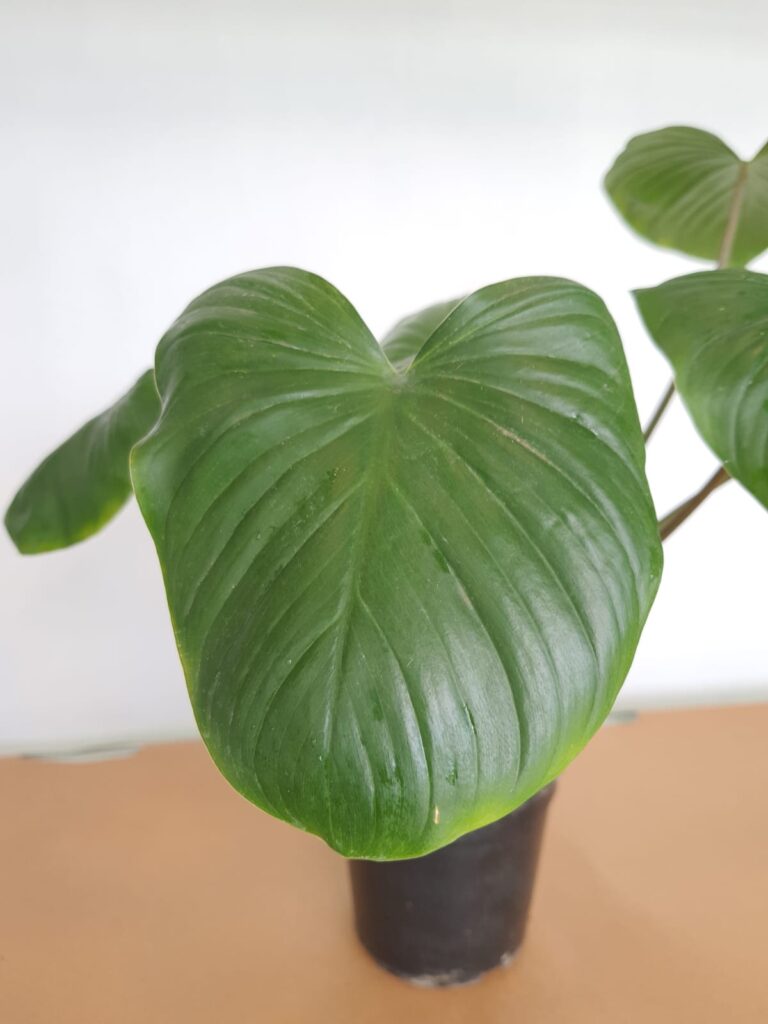
If you’re seeking a unique and visually captivating addition to your indoor garden, look no further than the Homalomena plant. With its striking foliage and tropical charm, this lesser-known gem is sure to add a touch of exotic beauty to your living spaces. In this blog, we will delve into the fascinating world of the Homalomena plant, exploring its unique features, care requirements, and why it deserves a prime spot in your indoor plant collection. Get ready to be enchanted by the allure of this extraordinary botanical wonder! Meet the Homalomena Plant: The Homalomena plant, also known as Homalomena rostrata, hails from the tropical rainforests of Southeast Asia. Known for its large, elongated leaves with prominent veining, the Homalomena exudes an air of sophistication that sets it apart from more common houseplants. Exquisite Foliage: One of the Homalomena’s most alluring features is its lush foliage. The leaves showcase striking patterns, ranging from deep green to bronze hues, adorned with intricate veins that add depth and character to the plant. Whether you opt for a solid-colored variety or a captivating variegated form, the Homalomena is sure to captivate with its unique foliage. Ideal Indoor Conditions: The Homalomena thrives in indoor environments, making it an excellent choice for homes and offices alike. It prefers bright, indirect light, as direct sunlight can scorch its leaves. Placing it near a window with filtered light or using sheer curtains to diffuse sunlight works best. Additionally, maintaining a warm and humid environment mirrors its natural tropical habitat and ensures the plant’s well-being. Watering and Care: Moderate watering is key to keeping your Homalomena healthy. Allow the top inch of soil to dry between waterings, ensuring the soil remains moist but not soggy. Overwatering can lead to root rot, so strike the right balance. Regular misting helps maintain the desired humidity levels, especially during dry seasons or in centrally heated homes. Potting Mix and Repotting: A well-draining potting mix, such as one containing peat moss, perlite, and orchid bark, is ideal for the Homalomena. Ensure the pot has proper drainage holes to prevent waterlogging. Repot the plant every two years or when you notice its roots becoming pot-bound, providing ample space for its roots to grow and thrive. Fertilizing: Feed your Homalomena with a balanced, water-soluble fertilizer during the growing season (spring and summer) to promote healthy growth. Avoid fertilizing during the winter months when the plant enters a dormant phase. Unique Air-Purifying Qualities: Beyond its beauty, the Homalomena contributes to a healthier indoor environment by purifying the air. It filters out harmful toxins, such as formaldehyde and benzene, making it an excellent choice for improving indoor air quality. Meet the Homalomena Plant: The Homalomena plant, also known as Homalomena rostrata, hails from the tropical rainforests of Southeast Asia. Known for its large, elongated leaves with prominent veining, the Homalomena exudes an air of sophistication that sets it apart from more common houseplants. go to this site Exquisite Foliage: One of the Homalomena’s most alluring features is its lush foliage. The leaves showcase striking patterns, ranging from deep green to bronze hues, adorned with intricate veins that add depth and character to the plant. Whether you opt for a solid-colored variety or a captivating variegated form, the Homalomena is sure to captivate with its unique foliage. Ideal Indoor Conditions: The Homalomena thrives in indoor environments, making it an excellent choice for homes and offices alike. It prefers bright, indirect light, as direct sunlight can scorch its leaves. Placing it near a window with filtered light or using sheer curtains to diffuse sunlight works best. Additionally, maintaining a warm and humid environment mirrors its natural tropical habitat and ensures the plant’s well-being. Watering and Care: Moderate watering is key to keeping your Homalomena healthy. Allow the top inch of soil to dry between waterings, ensuring the soil remains moist but not soggy. Overwatering can lead to root rot, so strike the right balance. Regular misting helps maintain the desired humidity levels, especially during dry seasons or in centrally heated homes. Potting Mix and Repotting: A well-draining potting mix, such as one containing peat moss, perlite, and orchid bark, is ideal for the Homalomena. Ensure the pot has proper drainage holes to prevent waterlogging. Repot the plant every two years or when you notice its roots becoming pot-bound, providing ample space for its roots to grow and thrive. Fertilizing: Feed your Homalomena with a balanced, water-soluble fertilizer during the growing season (spring and summer) to promote healthy growth. Avoid fertilizing during the winter months when the plant enters a dormant phase. Unique Air-Purifying Qualities: Beyond its beauty, the Homalomena contributes to a healthier indoor environment by purifying the air. It filters out harmful toxins, such as formaldehyde and benzene, making it an excellent choice for improving indoor air quality. Conclusion: The Homalomena plant is a hidden gem waiting to be discovered in the world of indoor gardening. Its exquisite foliage, low-maintenance care requirements, and air-purifying capabilities make it a standout addition to any plant collection. Embrace the allure of the Homalomena and bring a touch of tropical elegance to your home or office. With its unique charm and ability to thrive in indoor settings, this extraordinary plant is sure to mesmerize and become a treasured centerpiece in your indoor garden. Explore our curated selection of Homalomena plants and experience the beauty of this exotic gem firsthand. Happy gardening!

Homalomena Plant: Discover the Exotic Beauty for Your Home Read More »

The Ultimate Guide to Growing and Caring for Anthurium Plants: Tips for Beautiful Blooms

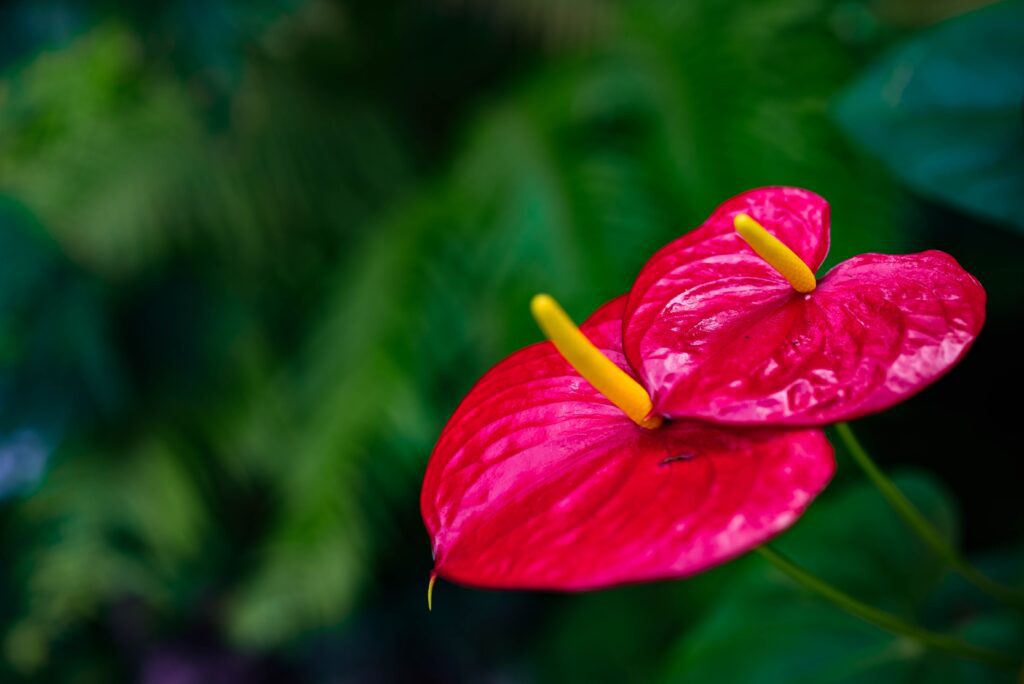
Anthurium plants, known for their captivating heart-shaped flowers and glossy foliage, have become a sought-after choice for both indoor and outdoor gardeners. These tropical beauties boast stunning colors and are relatively easy to care for, making them a fantastic addition to any plant lover’s collection. In this comprehensive guide, we will delve into the fascinating world of anthuriums, covering essential tips for choosing the right plant, providing ideal growing conditions, proper care, and troubleshooting common issues. Get ready to cultivate and nurture these exquisite flowering plants to perfection! Understanding Anthuriums: Anthuriums, part of the Araceae family, are native to the tropical regions of Central and South America. Their unique inflorescence, featuring the spadix and the spathe, offers a wide array of colors, including red, pink, white, orange, and green. Selecting the Perfect Anthurium Plant: Choosing a healthy anthurium plant is vital for a thriving garden. Look for vibrant, unblemished leaves and a well-developed root system. Preferably, select a plant with one or two open flowers to ensure you get the desired color and size. Optimal Growing Conditions: Sunlight, Humidity, and Temperature To keep your anthurium plant happy, provide it with bright, indirect light. Placing it near a window with a sheer curtain or in a spot with filtered sunlight is ideal, as direct sunlight can scorch its leaves. Anthuriums thrive in warm, humid environments akin to their tropical habitats, so maintain a temperature range between 65°F to 80°F (18°C to 27°C). Potting and Soil: Anthuriums require well-draining soil to prevent waterlogging and promote healthy root growth. Opt for a mix containing perlite, peat moss, and orchid bark, as this blend retains some moisture while allowing excess water to drain away. Ensure the pot has drainage holes for optimal plant health. Watering Wisely: Moderate, consistent watering is key to keeping your anthurium thriving. Allow the top inch of the soil to dry before watering again. Overwatering can lead to root rot, while underwatering may result in wrinkled leaves. Striking the right balance is essential for a healthy plant. Nourishing Your Anthurium: During the growing season (spring and summer), feed your anthurium with a balanced, water-soluble fertilizer every two to four weeks. Reduce or stop fertilizing during the cooler months when the plant enters a dormant phase. Pruning and Repotting: Pruning dead or damaged leaves not only improves aesthetics but also helps maintain your plant’s overall health. Repot your anthurium every two to three years, preferably in spring when the plant is actively growing. Choose a slightly larger pot to accommodate root expansion. Troubleshooting Common Issues: Regularly inspect your anthurium for pests such as aphids and mealybugs, as well as signs of diseases like root rot. Address issues promptly with appropriate measures, such as using insecticidal soap or adjusting watering habits. Understanding Anthuriums: Anthuriums, part of the Araceae family, are native to the tropical regions of Central and South America. Their unique inflorescence, featuring the spadix and the spathe, offers a wide array of colors, including red, pink, white, orange, and green. Selecting the Perfect Anthurium Plant: Choosing a healthy anthurium plant is vital for a thriving garden. Look for vibrant, unblemished leaves and a well-developed root system. Preferably, select a plant with one or two open flowers to ensure you get the desired color and size. Optimal Growing Conditions: Sunlight, Humidity, and Temperature To keep your anthurium plant happy, provide it with bright, indirect light. Placing it near a window with a sheer curtain or in a spot with filtered sunlight is ideal, as direct sunlight can scorch its leaves. Anthuriums thrive in warm, humid environments akin to their tropical habitats, so maintain a temperature range between 65°F to 80°F (18°C to 27°C). Potting and Soil: Anthuriums require well-draining soil to prevent waterlogging and promote healthy root growth. Opt for a mix containing perlite, peat moss, and orchid bark, as this blend retains some moisture while allowing excess water to drain away. Ensure the pot has drainage holes for optimal plant health. Watering Wisely: Moderate, consistent watering is key to keeping your anthurium thriving. Allow the top inch of the soil to dry before watering again. Overwatering can lead to root rot, while underwatering may result in wrinkled leaves. Striking the right balance is essential for a healthy plant. Nourishing Your Anthurium: During the growing season (spring and summer), feed your anthurium with a balanced, water-soluble fertilizer every two to four weeks. Reduce or stop fertilizing during the cooler months when the plant enters a dormant phase. anonymous Pruning and Repotting: Pruning dead or damaged leaves not only improves aesthetics but also helps maintain your plant’s overall health. Repot your anthurium every two to three years, preferably in spring when the plant is actively growing. Choose a slightly larger pot to accommodate root expansion. Troubleshooting Common Issues: Regularly inspect your anthurium for pests such as aphids and mealybugs, as well as signs of diseases like root rot. Address issues promptly with appropriate measures, such as using insecticidal soap or adjusting watering habits. Growing and caring for anthurium plants is a gratifying experience that rewards you with stunning blooms and lush foliage. By providing optimal conditions, watering mindfully, and showing your anthurium some tender care, you can create an enchanting centerpiece in your garden or indoor space. With patience and attention to detail, you’ll become a skilled gardener, mastering the art of cultivating these tropical beauties. Happy gardening, and may your anthuriums flourish and thrive!

The Ultimate Guide to Growing and Caring for Anthurium Plants: Tips for Beautiful Blooms Read More »

Shopping Basket