Grow Your Own: A Beginner’s Guide to Setting Up a Kitchen Garden in India
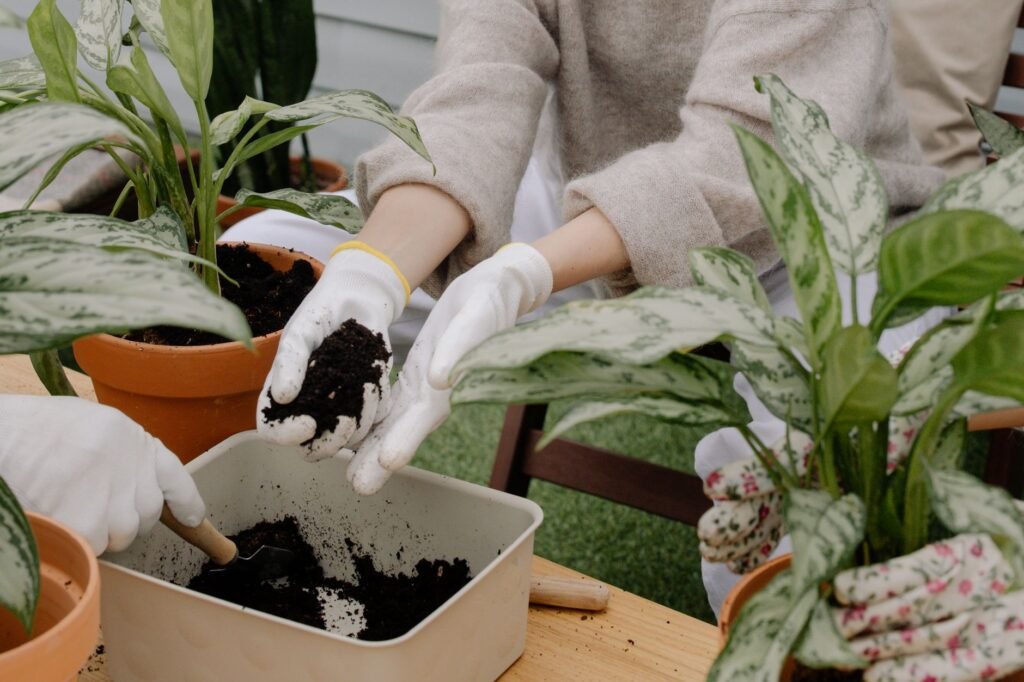
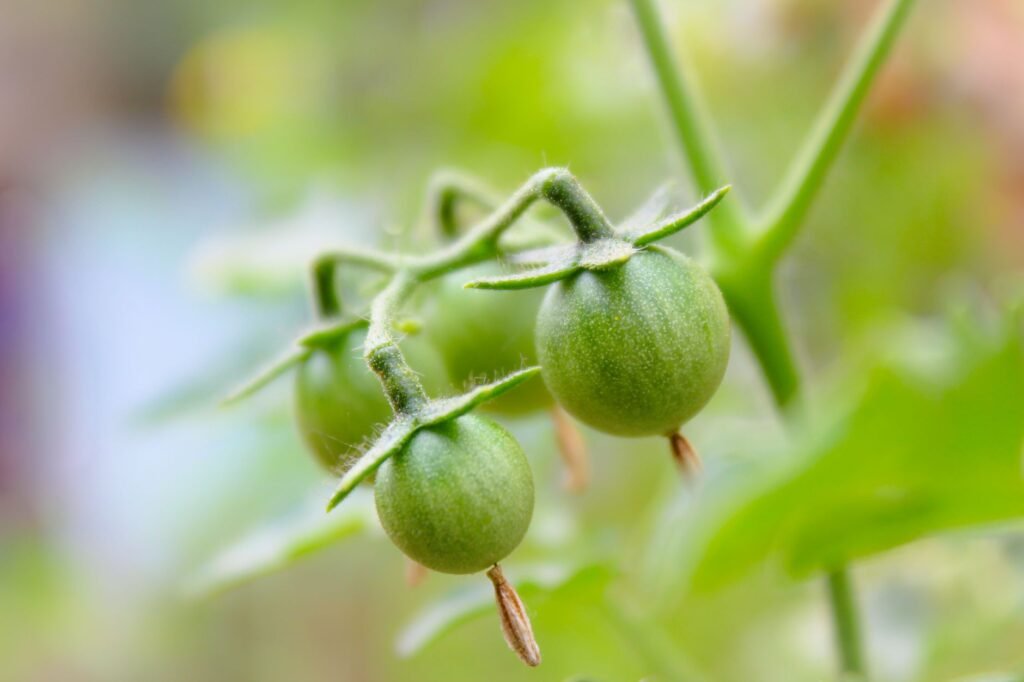
Grow Your Own: A Beginner’s Guide to Setting Up a Kitchen Garden in India There’s something incredibly satisfying about plucking fresh, homegrown coriander for your chutney or snipping a chilli from your own plant. A kitchen garden isn’t just about saving a few rupees; it’s about fresh flavours, healthy eating, and a little piece of green serenity right at home. Whether you have a sprawling backyard, a sunny balcony, or just a window sill, setting up a kitchen garden in India is more accessible than you think. Let’s dig into how you can start your very own edible oasis! 1. Pick Your Perfect Spot (Sunlight is Key!) In India, sunlight is a gardener’s best friend – and sometimes, a formidable challenge! Most vegetables and herbs need at least 5-6 hours of direct sunlight daily to thrive. Observe your home: where does the sun hit the strongest and longest? Balconies, terraces, window sills facing south or east are often ideal. For the intense Indian summer, consider movable pots or shade nets to protect your plants from the scorching afternoon sun. During monsoon, ensure your chosen spot has good drainage to prevent waterlogging. 2. Choose Your Champions: What to Grow? Start with what you love to eat and what’s relatively easy to grow. For Indian homes, these are often winners: Herbs: Mint (pudina), coriander (dhania), curry leaves, basil – perfect for pots and essential in Indian cooking. Vegetables: Chillies, tomatoes, spinach (palak), fenugreek (methi), lady’s finger (bhindi), and various gourds (if you have space for trellising) do wonderfully. Root Vegetables: Radishes (mooli) and spring onions can be grown in deeper pots. Consider starting with seeds or small saplings for a quicker harvest. 3. Containers & Soil: Building the Foundation You don’t need fancy equipment to start. Repurpose old plastic buckets, sturdy wooden crates, or even large earthen pots. Grow bags are also excellent, lightweight, and provide good drainage. Ensure all containers have drainage holes at the bottom to prevent root rot, especially crucial during the monsoons. For soil, a good potting mix is vital. Avoid just using garden soil, which can be too dense. A mix of garden soil, coco-peat (for moisture retention and lightness), and organic compost or vermicompost (for nutrients) works wonders. This blend provides essential aeration, drainage, and nourishment for your plants. 4. Watering Wisdom for Indian Climates Watering correctly is an art! In the hot Indian summers, your plants might need watering once or even twice a day, usually in the early morning or late evening to prevent rapid evaporation. During the monsoon, you might only need to water every few days, or not at all if they’re receiving ample rain. Always check the soil moisture with your finger – if the top inch feels dry, it’s time to water. Overwatering is as harmful as underwatering, leading to root rot. 5. Organic Pest Control & Nourishment Healthy plants are more resistant to pests. Regularly check your plants for any signs of trouble. For common pests like aphids or mealybugs, a simple solution of neem oil mixed with water and a drop of liquid soap can be sprayed. You can also make a homemade chilli-garlic spray. For nourishment, continue adding organic compost or liquid seaweed fertilizer every few weeks. Remember, a thriving kitchen garden is a happy ecosystem! Starting a kitchen garden at home is a journey of discovery and a rewarding experience. It connects you with nature, provides fresh produce, and adds a beautiful green touch to your living space. With a little planning and consistent care, you’ll be enjoying your homegrown goodness in no time. If you’re looking to kickstart your kitchen garden with robust, ready-to-grow plants and all the right gardening essentials, look no further than Wynorg Nursery. We offer a wide selection of healthy plants delivered right to your doorstep, so you can begin your green adventure with confidence and ease!
Grow Your Own: A Beginner’s Guide to Setting Up a Kitchen Garden in India Read More »