
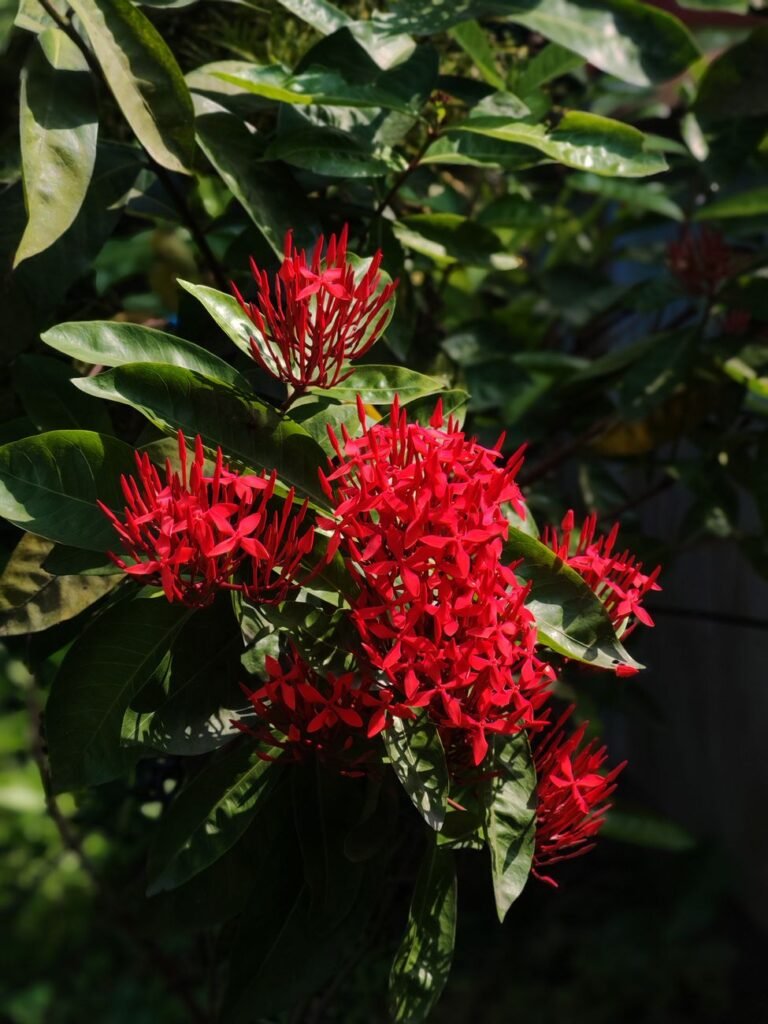
Beat the Heat: Top Outdoor Plants & Care Tips for Indian Summers
Ah, summer in India! While we humans scramble for air conditioning and cool drinks, spare a thought for our green companions outside. The scorching sun, dry winds, and intense heat can be incredibly challenging for outdoor plants, turning lush foliage into crispy brown in a matter of days. But don’t fret, fellow garden enthusiasts! With a little planning and smart care, your balcony, terrace, or garden can still thrive and offer a refreshing burst of green even through the hottest months. It’s all about choosing the right warriors for the season and giving them the love they need.
1. Pick Your Summer Champions Wisely
The first step to a successful summer garden is selecting plants that are naturally tough and well-suited to our climate. Look for varieties known for their heat and drought tolerance. Many native Indian plants are perfect for this!
- Bougainvillea: A true superstar! These vibrant beauties absolutely revel in the sun and require minimal water once established. Their riot of colours adds cheer to any space.
- Portulaca (Moss Rose) & Purslane: These low-growing, succulent-like plants are incredibly resilient. They produce a carpet of colourful blooms and thrive on neglect, making them perfect for hot, sunny spots.
- Zinnia & Marigold: If you love seasonal flowers, these are your go-to options. They bloom profusely through the summer and add lovely splashes of orange, yellow, and red.
- Hibiscus: Another classic Indian favourite, the Hibiscus offers stunning large flowers and can tolerate significant heat with proper watering.
- Oleander: A sturdy shrub that produces beautiful clusters of flowers. It’s incredibly hardy and can withstand harsh summer conditions.
- Vinca (Periwinkle): This cheerful plant blooms almost non-stop, even in the peak of summer, and is very low maintenance.
2. Master the Art of Smart Watering
Watering correctly during summer is crucial. It’s not just about how much, but also when and how.
- Timing is Key: Water your plants either early in the morning before the sun gets intense, or late in the evening after it has cooled down. Watering in the middle of the day can lead to rapid evaporation and even scorch leaves.
- Deep Watering: Give your plants a thorough drenching rather than light, frequent sprinkles. This encourages roots to grow deeper, making the plant more resilient to dry spells.
- Check Soil Moisture: Before watering, always stick your finger about an inch or two into the soil. If it feels dry, it’s time to water. Overwatering can be just as detrimental as underwatering.
3. Provide Some Much-Needed Shade & Shelter
Even sun-loving plants appreciate a little respite from the harshest afternoon sun. Think about how you can create some temporary shade.
- Shade Nets: An affordable and effective solution for balconies and open terraces. You can find green shade nets at most local nurseries for just a few hundred rupees. They reduce direct sunlight intensity by 50-75% and significantly lower the ambient temperature around your plants.
- Group Your Plants: Tightly grouping pots together can create a mini-microclimate, where plants shade each other and increase humidity locally.
- Strategic Placement: Move smaller, more sensitive potted plants to a spot that gets morning sun but afternoon shade – perhaps under a larger tree, a balcony overhang, or against a wall.
4. Mulch: Your Plant’s Best Friend Against the Heat
Mulching is a simple yet incredibly effective technique to combat summer stress. It’s like a protective blanket for your plant’s roots.
- Retain Moisture: A layer of mulch (2-3 inches thick) on top of the soil significantly reduces water evaporation, meaning you water less frequently.
- Keep Roots Cool: Mulch acts as an insulator, preventing the soil from heating up excessively, which protects the delicate root system.
- Natural Materials: Use easily available materials like dried leaves, straw, wood chips, or even coir pith. These also break down over time, enriching your soil.
5. Light Feeding and Timely Pruning
Plants aren’t in active growth mode during extreme heat, so their nutritional needs change.
- Go Easy on Fertilizers: Avoid heavy fertilizing during peak summer. If you must, opt for a very diluted liquid feed once a month. Over-fertilizing can burn roots when temperatures are high.
- Prune for Health: Regularly remove any yellowing, dried, or diseased leaves and spent flowers. This helps the plant conserve energy and directs it towards survival rather than trying to sustain damaged parts.
6. Pot Selection and Placement Matters
The pot your plant lives in and its exact location can make a big difference.
- Terracotta for Breathability: Terracotta (clay) pots are excellent for summers as their porous nature allows for better air circulation and keeps the soil cooler through evaporative cooling.
- Light Colours Reflect Heat: If using plastic or ceramic pots, choose lighter colours as they reflect sunlight, unlike dark pots which absorb heat and can cook roots.
- Elevate Your Pots: Place pots on pot feet or bricks to allow air to circulate underneath, preventing the base from heating up against hot surfaces.
Gardening through an Indian summer is a labour of love, but the joy of seeing your plants thrive against the odds is truly rewarding. By choosing resilient plants and adopting these practical care tips, you can ensure your green haven remains a vibrant, calming space. And remember, healthy plants start with healthy roots! For a great beginning to your summer garden, explore Wynorg Nursery’s wide selection of ready-to-grow, healthy plants online – perfectly nurtured to thrive in your Indian home.