Uncategorised

How to Revive a Dying Indoor Plant: Your Guide to Bringing Greens Back to Life

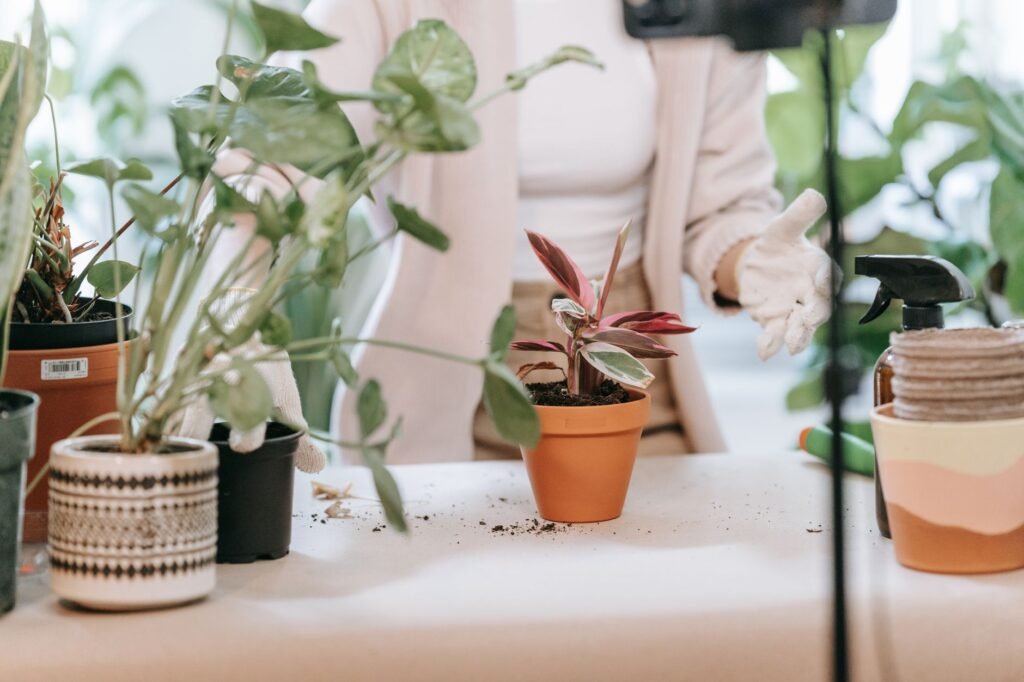
Don’t Give Up! Simple Steps to Revive Your Indoor Plants Hey plant pals! Isn’t it just heartbreaking when one of your beloved indoor plants starts looking a little… sad? Droopy leaves, yellowing edges, or even bare stems can make you feel like throwing in the trowel. But guess what? Most of the time, your plant isn’t truly gone! With a little detective work and some tender loving care, you can often bring them back from the brink. I’m here to share some simple, effective tips that have helped me revive many a struggling green friend, right here in our Indian homes! 1. The Watering Whodunit: Too Much or Too Little? This is by far the most common culprit! We either love our plants too much (read: overwatering) or forget them a little (underwatering). It’s a delicate balance, especially with our varied Indian seasons! Underwatering: Leaves will be crispy, dry, and might curl inwards. The soil will be bone dry. Give it a good, thorough drink until water drains from the bottom. Let it soak for about 30 minutes, then drain any excess. Overwatering: This is trickier! Leaves often turn yellow, get mushy, or drop off. The soil feels perpetually wet, and you might even see mould. If this is the case, gently remove the plant from its pot and check the roots. If they’re brown and mushy, trim them away. Repot into fresh, well-draining soil and a pot with good drainage holes. Remember, in monsoon, plants need far less water than in our scorching summers! 2. Light Check-Up: Is it Getting Just Right? Just like us, plants need the right amount of sunlight – not too much, not too little. Our Indian sun can be intense! Too Much Light: Leaves might look scorched, faded, or have brown spots. This is common on balconies during afternoon sun. Move your plant to a spot with indirect, bright light, or behind a sheer curtain. Too Little Light: Your plant might become leggy (stretching towards light), have small leaves, or simply stop growing. Move it closer to a window, but ensure it’s still indirect light for most indoor varieties. 3. Pest Patrol: Tiny Invaders at Work? Sometimes, tiny pests can silently suck the life out of your plant. Regular inspection is key! Look closely at the underside of leaves, stems, and new growth for any sticky residue, tiny white specks, webs, or actual insects (like mealybugs or spider mites). If you spot pests, isolate the plant immediately. You can gently wipe them off with a cotton swab dipped in rubbing alcohol, or spray the entire plant with a neem oil solution (available cheaply at any garden store!) mixed with water and a drop of dish soap. Repeat every few days until they’re gone. 4. The Great Repotting & Soil Refresh Sometimes, your plant has simply outgrown its home or its soil has become depleted. Root-Bound: If roots are circling the bottom of the pot or growing out of the drainage holes, your plant is root-bound. It’s struggling for space and nutrients. Repot into a pot that’s just one size larger, using fresh, good-quality potting mix. Old Soil: Over time, soil can become compacted or lose its nutrients. Gently remove the plant, loosen the old soil from the roots, and repot with fresh, airy potting mix. This gives your plant a new lease on life! 5. Humidity Boost: Especially for Tropical Beauties Many of our favourite indoor plants are tropical, meaning they love humidity. Our dry Indian summers and even winters can be tough on them. Place a tray of pebbles filled with water near your plant (ensure the pot isn’t sitting directly in the water). Mist the leaves regularly with water, especially in the mornings. Group plants together; they create a micro-climate of humidity for each other. Don’t Give Up! Reviving a dying plant takes patience and observation, but it’s incredibly rewarding! Don’t be afraid to get your hands a little dirty and experiment. Remember, every plant teaches us something new. And when you’re ready to expand your green family with happy, healthy, ready-to-grow plants, look no further than Wynorg Nursery! We carefully select and nurture our plants, ensuring they arrive at your doorstep thriving and ready to bring joy to your Indian home. From easy-care varieties to exotic beauties, find your next green companion with us today!

How to Revive a Dying Indoor Plant: Your Guide to Bringing Greens Back to Life Read More »
Cultivate Serenity: The Best Indoor Plants for Indian Bedrooms and Living Rooms

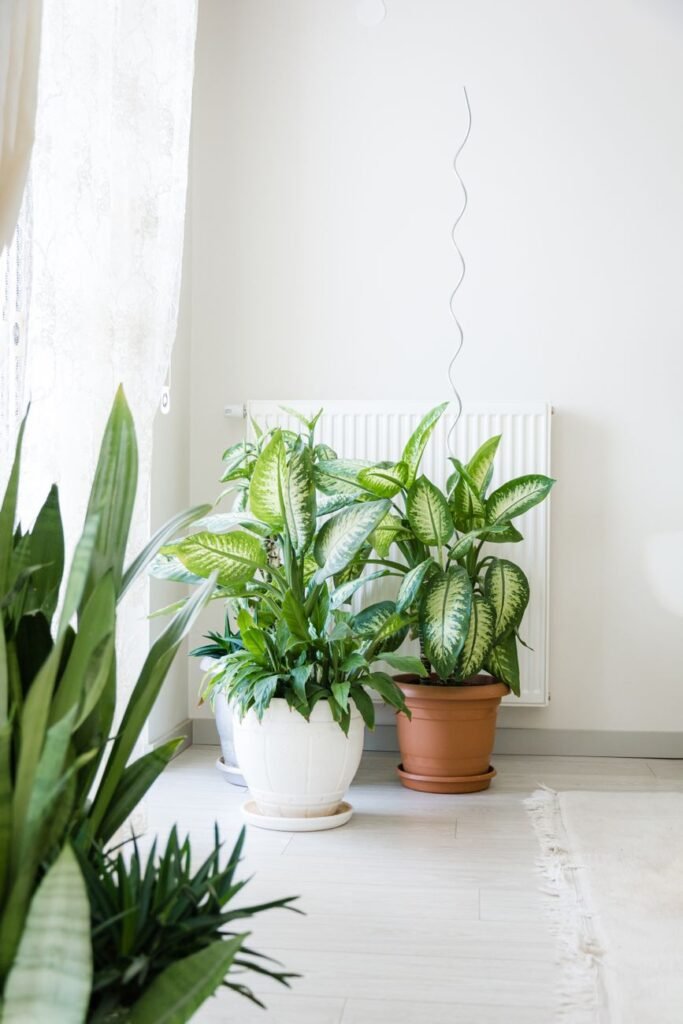
Cultivate Serenity: The Best Indoor Plants for Indian Bedrooms and Living Rooms There is an undeniable charm in transforming our living spaces into verdant sanctuaries. In the bustling rhythm of urban life in India, our homes, especially our bedrooms and living rooms, serve as personal havens. Introducing indoor plants not only elevates the aesthetic appeal of these crucial spaces but also imbues them with a calming energy, improved air quality, and a profound sense of well-being. Imagine waking up to the gentle green of foliage or unwinding in the evening amidst a cluster of thriving plants. This journey into indoor gardening is both rewarding and remarkably simple, provided one chooses the right companions for their home and climate. For the Indian home, where strong sunlight, varying humidity levels, and space constraints (especially in apartments) are common considerations, selecting resilient and adaptable plants is key. Let’p explore some of the finest botanical choices that thrive beautifully in our bedrooms and living areas, turning them into peaceful, green retreats. 1. The Indomitable Snake Plant (Sansevieria) Why it’s perfect: Known for its striking upright leaves, the Snake Plant is a champion air purifier, even converting carbon dioxide to oxygen at night – making it an ideal bedroom companion. It’p incredibly low-maintenance, tolerating infrequent watering and a wide range of light conditions, from bright indirect to very low light. Indian Home Tip: Perfect for those busy schedules! Water sparingly, perhaps once every 2-4 weeks, allowing the soil to dry out completely. Place it in a corner of your bedroom or living room; its Vastu benefits are often associated with positive energy and protection when placed correctly. 2. The Resilient ZZ Plant (Zamioculcas zamiifolia) Why it’s perfect: The ZZ Plant boasts glossy, deep green foliage and an almost indestructible nature. It’p remarkably drought-tolerant and can thrive in extremely low light conditions, making it an excellent choice for dimly lit corners of living rooms or bedrooms where other plants might struggle. Indian Home Tip: If you’p new to plants or travel frequently, the ZZ Plant is your best friend. It stores water in its rhizomes, so err on the side of underwatering. It’p truly a plant that thrives on neglect, perfectly suited for the varied climates across India. 3. The Versatile Pothos (Money Plant) Why it’s perfect: A beloved staple in Indian homes, Pothos comes in various captivating cultivars like Golden Pothos, Marble Queen, and Neon. Its trailing vines make it perfect for shelves, hanging baskets, or letting it climb. It’p easy to care for and is also known for its air-purifying qualities. Indian Home Tip: Pothos appreciates bright, indirect light but can tolerate lower light levels. During the monsoon, be mindful not to overwater. Many Indian households also place the Money Plant according to Vastu principles, believing it brings prosperity when positioned in the south-east direction. 4. The Elegant Peace Lily (Spathiphyllum) Why it’s perfect: With its elegant white ‘flowers’ (modified leaves called spathes) and lush green foliage, the Peace Lily adds a touch of serene beauty. It’p a powerful air purifier, tackling common household toxins, and beautifully signals when it needs water by slightly drooping its leaves. Indian Home Tip: Place your Peace Lily in a spot with bright, indirect light – direct Indian sun can scorch its leaves. It enjoys consistent moisture but avoid soggy soil. Its presence brings a calming visual to any bedroom or living room. 5. The Stately Areca Palm (Dypsis lutescens) Why it’s perfect: For those seeking a larger, more impactful plant, the Areca Palm offers graceful, feathery fronds that can instantly transform a living room into a tropical oasis. It’p an excellent natural humidifier and a top-rated air purifier, effectively removing toxins from the air. Indian Home Tip: Areca Palms thrive in bright, indirect light, so a spot near a window (but not in direct sun) is ideal. They appreciate humidity, so misting the leaves during dry spells or keeping them near a water source can be beneficial, especially during the Indian summer. Embracing indoor plants is more than just a decorative choice; it’p an invitation to a more serene, vibrant, and healthier lifestyle. Each plant brings its unique charm and benefits, transforming your personal spaces into lively, breathing extensions of nature. As you embark on this delightful journey of creating your green sanctuary, remember that healthy beginnings lead to thriving plant families. To ensure you start with the strongest, healthiest specimens, ready to flourish in your Indian home, consider exploring the curated collection at Wynorg Nursery. We pride ourselves on offering a diverse range of robust, ready-to-grow indoor plants, carefully nurtured to bring beauty and tranquility directly to your doorstep. Cultivate your green dreams with confidence, knowing you’p chosen quality from Wynorg Nursery.

Cultivate Serenity: The Best Indoor Plants for Indian Bedrooms and Living Rooms Read More »

Choosing the Right Pot for Your Indoor Plants: An Indian Home Gardener’s Essential Guide

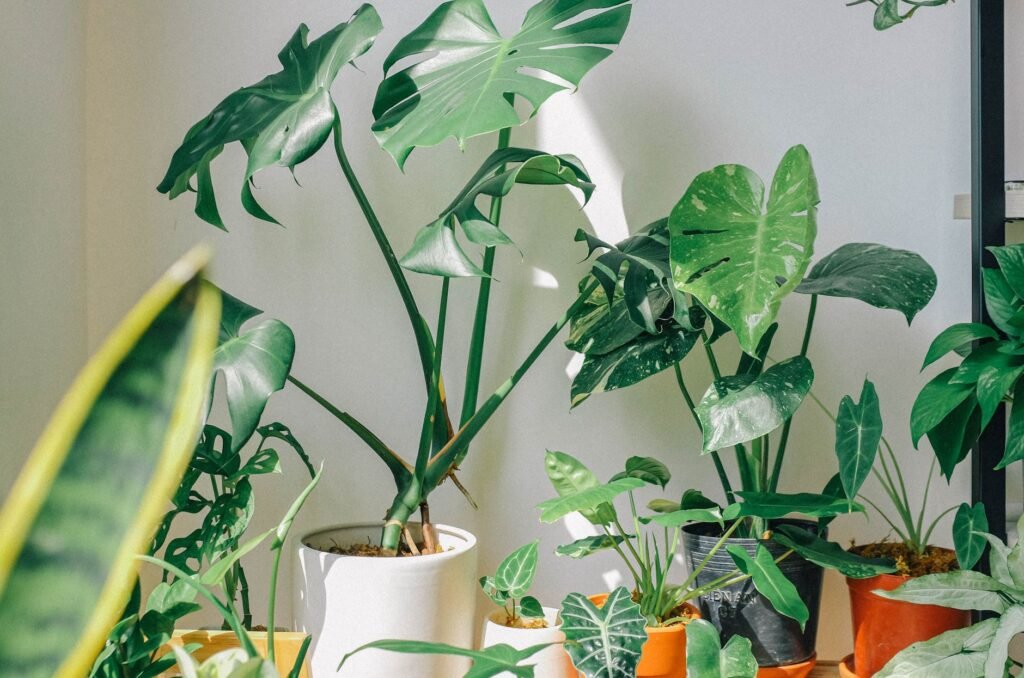
Choosing the Right Pot for Your Indoor Plants: An Indian Home Gardener’s Essential Guide Namaste, fellow plant lovers! It’s easy to get swept away by the beauty of a new plant, but before you bring it home, let’s talk about its first home with you: the pot. Often overlooked, the right pot is as crucial to your plant’s health as sunlight and water. For us Indian home gardeners, with our unique climate and living spaces, choosing wisely can make all the difference between a thriving green companion and a struggling one. Think of a pot not just as a container, but as a mini ecosystem for your plant’s roots. It influences everything from moisture retention to aeration and overall stability. So, let’s dive into how you can pick the perfect dwelling for your beloved indoor greens! 1. Drainage is Non-Negotiable This is rule number one, no exceptions! Regardless of the material, a pot MUST have drainage holes at the bottom. Our Indian monsoons bring humidity, and even otherwise, overwatering is a common killer of indoor plants. Without proper drainage, water collects, leading to root rot – a silent assassin for your green friends. Always pair your pot with a saucer or drip tray to catch excess water, keeping your floors clean. Remember to empty these trays regularly, especially during humid spells, to prevent mosquito breeding and stagnant water issues. 2. Size Matters: Goldilocks Was Right! Picking the right size is crucial. A pot that’s too large holds excessive moisture, making the soil stay wet for too long and increasing the risk of root rot. A pot that’s too small will restrict root growth, making your plant top-heavy and requiring constant watering. As a general rule: For a new plant, choose a pot that is about 1-2 inches wider in diameter than its current nursery pot. When repotting a growing plant, move it to a pot that is only 2-4 inches larger in diameter. Observe your plant – if roots are growing out of the drainage holes or it looks top-heavy, it’s time for a slightly bigger home! 3. Material Matters: Consider Our Climate The material of your pot plays a significant role, especially with India’s varied climate. Each has its pros and cons: Terracotta/Clay Pots: These are classic for a reason! Porous and breathable, terracotta allows for excellent air circulation to the roots and lets excess moisture evaporate quickly. This is fantastic for plants that prefer drier feet, and especially useful during our humid monsoons. However, in scorching Indian summers, they can dry out faster, meaning more frequent watering. They are usually budget-friendly and widely available. Ceramic/Glazed Pots: Less porous than terracotta, these pots retain moisture longer. They are excellent for moisture-loving plants or in drier indoor environments where you want to reduce watering frequency. They come in an incredible array of colours and designs, adding a beautiful aesthetic touch to your home. Just ensure they have good drainage holes. Plastic Pots: Lightweight, affordable, and excellent at retaining moisture, plastic pots are a practical choice. They are perfect for balconies where you might need to move plants frequently, or for plants that need consistent moisture. They are also durable and won’t break easily. Be mindful not to overwater, especially in cooler months, as they don’t allow for much evaporation. Metal/Fibre Pots: While less common for direct planting due to potential heat absorption or corrosion, they can be stylish cachepots (decorative covers for a plainer pot with drainage). If using metal directly, ensure it’s treated for rust and monitor soil temperature. 4. Placement & Aesthetics: Complement Your Home Think about where the plant will live. For a bustling balcony, perhaps a sturdy plastic or ceramic pot that can withstand wind and direct sun is ideal. Indoors, consider how the pot complements your decor. Do you prefer a minimalistic look or a vibrant pop of colour? While not a strict Vastu guideline, many believe that earthy tones and natural materials like terracotta promote positive energy. For apartment dwellers, lighter pots might be easier to move for cleaning or repositioning for light. 5. Cost-Effectiveness & Sustainability Gardeners in India often have a keen eye for value. Terracotta and basic plastic pots are usually quite inexpensive, often available for as little as ₹50-₹200 depending on size. Don’t shy away from repurposing household items like old buckets or containers – just make sure to drill adequate drainage holes! Investing in good quality pots, even if slightly pricier, can be a long-term benefit for your plant’s health and your home’s aesthetic. Choosing the right pot is a thoughtful process, blending practicality with aesthetics. By considering drainage, size, material, and your specific Indian climate, you’ll create the perfect foundation for your indoor plants to flourish. A happy pot leads to a happy plant, and a happier, greener home for you! Ready to give your plants the best start in their new homes? Discover Wynorg Nursery’s wide selection of healthy, ready-to-grow indoor plants online. We carefully nurture each plant, ensuring it reaches you vibrant and ready to thrive, awaiting its perfect pot in your lovely home!

Choosing the Right Pot for Your Indoor Plants: An Indian Home Gardener’s Essential Guide Read More »

Common Mistakes Killing Your Indoor Plants (and How to Fix Them!)

Decoding Your Droopy Greens: Common Mistakes Killing Your Indoor Plants (and How to Fix Them!) Hello, fellow plant enthusiasts! There’s a special joy that comes with bringing the vibrant green of nature indoors, isn’t there? A touch of peace, a breath of fresh air, right within your home. But let’s be honest, sometimes those leafy friends don’t quite thrive the way we hope. You bought a beautiful plant, brought it home with dreams of an indoor jungle, and then… yellow leaves, droopy stems, or worse, an empty pot! Don’t fret! You’re certainly not alone. Many of us, even seasoned gardeners, have made a mistake or two (or ten!) along the way. The good news is, most of these issues are easily fixable once you know what to look for. And for us Indian plant parents, understanding our unique climate and home conditions is key. Let’s unravel some of the most common blunders that might be silently harming your precious indoor plants and how you can turn things around. 1. The Watering Woes: Too Much or Too Little? Ah, the classic dilemma! More indoor plants suffer from improper watering than almost any other issue. It’s a fine balance, especially with our varying Indian seasons – from the dry heat of summer to the high humidity of the monsoon. Overwatering: The Silent Killer: This is the most common culprit. When roots sit in perpetually soggy soil, they can’t breathe and eventually rot. Signs include yellowing leaves (often starting from the bottom), a foul smell from the soil, or a plant that looks droopy despite wet soil. Underwatering: The Thirsty Trouble: While less frequent for new plant parents, it happens. Your plant will look wilted, its leaves might crisp up, and the soil will be bone dry. The Fix: Always check the soil moisture before watering. Stick your finger about an inch or two into the soil. If it feels damp, wait. If it feels dry, it’s time for a drink. Ensure your pots have drainage holes, and empty any collected water from the saucer after an hour or so. Adjust frequency based on the season – your plant will need less water in winter and more in peak summer heat. 2. The Light Labyrinth: Finding the Right Spot Just like us, plants need sunshine, but not all sunshine is created equal! The harsh Indian sun can be too intense for many indoor varieties, while a perpetually dark corner can lead to weak, leggy growth. Too Much Direct Sun: Leaves might develop brown, crispy spots, look bleached, or curl up in an attempt to protect themselves. This is common if you place a delicate indoor plant on an unprotected south or west-facing balcony. Not Enough Light: Your plant will stretch towards any available light, resulting in long, sparse stems with small, pale leaves. Flowering plants won’t bloom. The Fix: Understand your plant’s light needs (indirect bright light is best for most indoor plants). Rotate your plants every few weeks to ensure even light exposure. For balconies, consider shade nets or placing sun-loving plants where they get morning sun and afternoon shade. East-facing windows usually offer gentle, bright light, perfect for most. Sometimes, a touch of Vastu principles can even guide you to naturally brighter, more energising spots in your home for your green companions! 3. The Potting Predicament: Wrong Soil and Drainage Many new gardeners make the mistake of using regular garden soil for their indoor potted plants. While great for outdoors, it often compacts too much indoors, leading to poor drainage and aeration. The Fix: Invest in a good quality potting mix specifically designed for indoor plants. These mixes are usually lighter, well-aerated, and drain efficiently. Look for mixes containing coco peat, perlite, and vermicompost. Always, and we mean ALWAYS, use pots with drainage holes. If you love decorative pots without holes, use them as cache pots – place your plant in a smaller, functional pot with holes inside the decorative one, and remove it for watering or use a layer of pebbles at the bottom for drainage. 4. The Pest Problem: Uninvited Guests It’s a sad reality that even our indoor sanctuaries can attract tiny intruders. Mealybugs, spider mites, and aphids can quickly weaken and even kill your plants if left unchecked. The Fix: Regular inspection is your best defense! When you water your plants, take a moment to look under the leaves and along the stems. If you spot pests, isolate the affected plant immediately. For mild infestations, a cotton swab dipped in rubbing alcohol can wipe them away. For more widespread issues, a homemade neem oil spray (available readily and affordably in India) mixed with a drop of mild soap and water works wonders. Spray regularly until the pests are gone. 5. The Humidity Hurdle: Battling Dryness and Dampness India’s climate swings can be tough on plants. Dry winter air and air-conditioning can leave humidity-loving plants gasping, while the excessive dampness of the monsoon can encourage fungal issues. The Fix: During dry periods, consider grouping your plants together to create a microclimate, or place them on a pebble tray filled with water (ensuring the pot doesn’t sit directly in the water). Misting can offer temporary relief for some plants, but be mindful during monsoon when high humidity can lead to fungal problems if leaves stay wet too long. Plants like ferns and calatheas particularly appreciate higher humidity. 6. The Feeding Fiasco: Fertilising Facts Plants need nutrients to grow, but too much or too little fertiliser can be detrimental. Under-fertilising: Leads to stunted growth, pale leaves, and a general lack of vigor. Over-fertilising: Can burn roots, cause yellowing, and even lead to plant death due to salt build-up in the soil. The Fix: Fertilise your indoor plants during their active growing season (typically spring and summer in India). Use a balanced liquid fertiliser at half the recommended strength, once every 2-4 weeks. Avoid fertilising during winter or when the plant is stressed. Organic options like vermicompost added to the

Common Mistakes Killing Your Indoor Plants (and How to Fix Them!) Read More »

Embrace the Green: Indoor Plants That Thrive Without Direct Sunlight in Your Indian Home

Embrace the Green: Indoor Plants That Thrive Without Direct Sunlight in Your Indian Home Living in an apartment with limited sunlight, or perhaps you have a cozy corner in your home that feels a bit too dim for most plants? Many Indian homes, especially in bustling cities, face the challenge of finding enough bright, direct sunlight for their green companions. But don’t fret! You absolutely can have a thriving indoor garden, even in those shadier spots. The secret lies in choosing the right plants – resilient beauties that actually prefer a break from the sun’s harsh gaze. Let’s explore some fantastic options that will bring life and freshness to every nook of your home, no matter how little sunlight it gets. 1. Meet the Low-Light Champions Not all plants crave the spotlight! Some truly flourish in dimmer conditions. Here are a few superstars perfect for your low-light spaces: Snake Plant (Sansevieria trifasciata): Also known as “Mother-in-Law’s Tongue,” this plant is virtually indestructible. It tolerates extreme neglect, including very low light, and is a fantastic air purifier. It’s also often considered auspicious in Vastu Shastra for bringing positive energy. ZZ Plant (Zamioculcas zamiifolia): With its glossy, dark green leaves, the ZZ plant is elegance personified. It thrives on neglect, needing very little water or light, making it ideal for busy individuals or dimly lit offices and hallways. Pothos (Epipremnum aureum – commonly called Money Plant): A true Indian household favourite! Pothos varieties are incredibly versatile. They can be grown as climbers, in hanging baskets, or simply trailing from a shelf. They are excellent air purifiers and, according to Vastu, bring prosperity and good luck. Peace Lily (Spathiphyllum): Known for its elegant white spathes (which are actually modified leaves, not flowers), the Peace Lily brightens up any low-light spot. It’s also a superb air cleanser, removing common toxins from the air. Spider Plant (Chlorophytum comosum): Easy to care for and propagate, Spider Plants are perfect for beginners. They produce “spiderettes” or plantlets that dangle from the mother plant, making them great for hanging baskets. They’re also safe for pets and effective at purifying air. 2. The Art of Watering in Low Light This is perhaps the most crucial tip for low-light plants. In dimmer conditions, plants use less water because their rate of photosynthesis is reduced. Overwatering is the quickest way to kill a low-light plant! Feel the Soil: Always check the soil moisture with your finger before watering. Wait until the top 2-3 inches of soil are dry. For ZZ plants and Snake Plants, let the soil dry out almost completely between waterings. Monsoon Caution: During the Indian monsoon, humidity levels are high, and plants naturally need even less water. Be extra cautious to avoid root rot. Drainage is Key: Ensure all your pots have drainage holes. Stagnant water is a death sentence for most indoor plants. 3. Finding the “Right” Kind of Low Light While these plants don’t need direct sun, “low light” doesn’t necessarily mean a pitch-black room. They still appreciate some ambient light. Bright, Indirect Light: This is often the ideal for many of these plants. Think a few feet away from a north-facing window, or a spot where light filters through sheer curtains. Rotate Your Plants: Even in low light, rotating your plants every few weeks can help ensure even growth and prevent them from leaning towards the nearest light source. Clean Leaves: Dust accumulation is common in Indian homes. Wipe your plant’s leaves regularly with a damp cloth. This allows the plant to absorb what little light is available more efficiently. 4. Humidity and Indian Summers While many of these plants are forgiving, some (like the Peace Lily) appreciate a bit more humidity, especially during dry Indian summers when air conditioners are often on. Mist Occasionally: A light misting can help, but don’t overdo it, especially if you have good air circulation. Pebble Trays: Place your plant pot on a tray filled with pebbles and water. As the water evaporates, it creates a micro-humid environment around the plant without the roots sitting in water. 5. Less Fertiliser, Slower Growth In low light, plants grow slower, and therefore, they need less feeding. Fertilising too much can lead to nutrient burn. Reduce Frequency: Fertilise your low-light plants much less frequently than those in brighter spots, perhaps once every 2-3 months during their growing season (spring and summer), and not at all in winter. Dilute Strength: When you do fertilise, use a half-strength solution of a balanced liquid fertiliser. Don’t let a lack of direct sunlight deter you from enjoying the beauty and benefits of indoor plants. With these resilient species and a few mindful care adjustments, your home can transform into a lush, green sanctuary. Each plant brings its own charm and purifying power, enhancing your living space without demanding constant attention or bright windows. Ready to fill your low-light corners with vibrant life? Explore our extensive collection of healthy, ready-to-grow indoor plants at Wynorg Nursery. We handpick and carefully pack each plant to ensure it arrives at your doorstep thriving, ready to bring joy to your Indian home.

Embrace the Green: Indoor Plants That Thrive Without Direct Sunlight in Your Indian Home Read More »

Watering Woes Solved: Your Ultimate Guide to Hydrating Indoor Plants in India

Watering Woes Solved: Your Ultimate Guide to Hydrating Indoor Plants in India Hello, fellow plant parent! If there’s one question that keeps almost every indoor gardener up at night (besides ‘Is that a new pest?’), it’s definitely, ‘How often should I water my plants?’ And in a diverse climate like India’s, with its scorching summers, heavy monsoons, and mild winters, finding that sweet spot for hydration can feel like a lifelong quest. But don’t fret! As your friendly plant enthusiast, I’m here to share some simple, practical tips that have worked wonders for my green friends, making watering a joy, not a guessing game. Forget rigid schedules. The truth is, there’s no one-size-fits-all answer. Your plant’s watering needs depend on so many factors – the season, its pot, the type of plant, and even your home’s humidity. But by understanding a few key principles, you’ll become a watering pro in no time! 1. The Golden Rule: Touch and Feel the Soil This is by far the most crucial tip, and it costs you absolutely nothing! Before reaching for the watering can, simply stick your finger about 2 inches deep into the soil. Here’s what you’re looking for: Dry: If the soil feels dry to the touch at that depth, it’s likely time to water. Damp: If it still feels moist, hold off for another day or two. Overwatering is a plant’s silent killer! You can also use a chopstick or a moisture meter if you prefer, but your finger is the best and most immediate tool you have. 2. Season’s Greetings: Adapting to Indian Weather Our climate is dynamic, and your watering routine needs to be too! Summer’s Thirst (March – June): When temperatures soar and the air is dry, especially for plants on sun-drenched balconies, your plants will need more frequent watering. The intense heat causes water to evaporate quickly from pots. You might find yourself watering every 2-3 days for some thirsty plants. Monsoon’s Mercy (July – September): During the monsoon, humidity levels are naturally very high, and evaporation slows down significantly. This is when overwatering becomes a real risk. Drastically reduce your watering frequency – perhaps once a week or even less for some plants. Always check the soil diligently! Winter’s Rest (October – February): Most plants enter a period of slower growth in winter. Their water requirements decrease considerably. Watering once every 10-14 days, or even longer for some, might be sufficient. 3. Pot Personality: Material and Size Matter Terracotta Pots: These breathable, porous pots allow water to evaporate from their sides, meaning the soil dries out faster. Plants in terracotta will generally need more frequent watering than those in other materials. Plastic and Glazed Ceramic Pots: These materials retain moisture for longer as they are non-porous. Be cautious not to overwater, especially in cooler, humid months. Pot Size: Smaller pots dry out much quicker than larger ones. Consider repotting if your plant seems to dry out excessively fast, but also ensure it’s not too big for the plant, as excess soil holds too much moisture. 4. Every Plant Has Its Own Schedule Just like people, plants have different hydration preferences. Succulents and cacti, for instance, prefer their soil to dry out completely between waterings, sometimes going weeks without a sip. Tropical foliage plants, on the other hand, like a consistently moist (but never soggy!) soil. Always do a quick check on your specific plant’s needs when you bring it home. 5. Drainage is Your Plant’s Best Friend No matter how often you water, if your pot doesn’t have drainage holes, your plant is on a fast track to root rot. Stagnant water deprives roots of oxygen. Always use pots with proper drainage, and if you use a decorative planter, ensure there’s a gap between the inner pot and the outer one, or empty out any collected water in the tray after about 30 minutes. 6. How to Water: Thoroughly and Evenly When it is time to water, do it thoroughly. Water until you see it draining from the bottom holes. This ensures the entire root ball gets hydrated. For smaller plants, watering from the bottom (placing the pot in a tray of water for 20-30 minutes) can also be effective, allowing the plant to soak up what it needs. Becoming a watering wizard is all about observation and listening to your plants. Over time, you’ll develop an intuitive sense of when your green companions are thirsty. Remember, it’s generally easier to revive an underwatered plant than an overwatered one! And if you’re looking to expand your indoor jungle with healthy, thriving plants that are ready to grow, do explore the wonderful selection at Wynorg Nursery online. We’ve got a plant for every corner and every skill level, all nurtured with care to bring joy to your home!

Watering Woes Solved: Your Ultimate Guide to Hydrating Indoor Plants in India Read More »

Top 5 Indoor Plants for Natural Air Purification in Your Indian Home

Breathe Easy: Your Guide to Natural Air Purifiers for Indian Homes In our bustling Indian cities and even quieter towns, indoor air quality can often be a silent concern. From vehicular emissions to household pollutants, our homes, especially apartments, can sometimes feel a bit stuffy. But what if we told you that bringing a touch of nature indoors can significantly help? Certain indoor plants are not just pretty additions; they’re diligent workers, absorbing common toxins and releasing fresh oxygen. And the best part? Many of them thrive beautifully in our Indian climate. Let’s explore five such green heroes that can transform your living space into a healthier haven. 1. Snake Plant (Sansevieria trifasciata) – The Unfussy Warrior Known affectionately as the ‘mother-in-law’s tongue’, the Snake Plant is perhaps one of the most forgiving and powerful air purifiers you can welcome home. It’s excellent at removing toxins like benzene, formaldehyde, trichloroethylene, and xylene. The real magic? It converts a lot of CO2 to oxygen at night, making it perfect for bedrooms. It thrives on neglect, requiring minimal watering (once every 2-4 weeks is often enough, especially in cooler months) and can tolerate low light, making it ideal for even the busiest Indian households. Just ensure well-draining soil to prevent root rot, particularly during our monsoons. 2. Areca Palm (Dypsis lutescens) – The Elegant Humidifier If you’re looking for a plant that makes a statement while cleaning your air, the Areca Palm is your answer. This graceful plant is fantastic at removing formaldehyde, xylene, and toluene, and it also adds much-needed humidity to the air, which can be a boon during dry Indian summers. It prefers bright, indirect light – a spot near a window with sheer curtains is perfect. Keep the soil consistently moist but never soggy, and give it a good misting every now and then, especially if you live in a drier climate. Its lush foliage can also subtly enhance the Vastu of your home. 3. Money Plant (Epipremnum aureum) – The Versatile Purifier A staple in almost every Indian home, the Money Plant isn’t just believed to bring good fortune; it’s also a fantastic air purifier! It excels at tackling formaldehyde, xylene, and benzene. What makes it incredibly popular is its adaptability – it can thrive in various light conditions, from bright indirect to low light, and can be grown in both soil and water. Its trailing vines make it perfect for hanging baskets or letting it climb a moss stick. Water when the top soil feels dry, and you’ll have a happy, air-cleaning companion that fits perfectly into any corner of your home, be it a balcony or a shaded living room. 4. Peace Lily (Spathiphyllum) – The Flowering Filter For those who love a touch of bloom, the Peace Lily offers both beauty and exceptional air-purifying capabilities. It’s a champion against ammonia, benzene, formaldehyde, and trichloroethylene, all while producing elegant white ‘flowers’ (actually modified leaves). It prefers low to medium indirect light and consistently moist soil. Watch its leaves – they’ll droop slightly when it’s thirsty, giving you a clear signal. Keep it away from direct sunlight, which can scorch its delicate leaves, especially during the intense Indian summer afternoons. 5. Spider Plant (Chlorophytum comosum) – The Easy-Care Detoxifier Another excellent choice for beginners and busy individuals, the Spider Plant is incredibly effective at removing formaldehyde and xylene. It’s known for its abundant ‘spiderettes’ or plantlets that dangle from the mother plant, making it perfect for hanging baskets where they can truly shine. These plants are very resilient, tolerating a range of conditions from bright to moderate light. Water moderately, allowing the top inch of soil to dry out between waterings. They’re also safe for pets, a bonus for many Indian households. Transform Your Home, Naturally Incorporating these air-purifying plants into your home is an easy and beautiful way to enhance your living environment. They not only filter out common pollutants but also add a refreshing touch of greenery, contributing to a sense of calm and well-being. Imagine breathing cleaner, fresher air every day, all thanks to these natural wonders. Ready to bring these green companions into your home? At Wynorg Nursery, we understand the unique needs of Indian gardeners. We offer a wide selection of healthy, ready-to-grow air-purifying plants, carefully nurtured to thrive in our local conditions. Skip the hassle of local markets and trust Wynorg Nursery for healthy, vibrant plants delivered right to your doorstep, making your journey to a greener, healthier home as easy as a few clicks. Start your plant parenting adventure with us today!

Top 5 Indoor Plants for Natural Air Purification in Your Indian Home Read More »

Green Corners: Best Low-Light Indoor Plants for Indian Apartments

Hello, lovely plant parents! I’m Priya, and I adore helping you transform your homes into green sanctuaries, no matter the space or light. I believe every corner can bloom with a little love and the right plant. Let’s get our hands (a little) dirty and grow together! Living in Indian apartments often means making the most of limited natural light. But don’t let those dim corners deter your green dreams! There’s a beautiful world of indoor plants that not only survive but thrive in low-light conditions, bringing life and serenity to your home. You don’t need a sun-drenched balcony to enjoy the magic of indoor gardening. Embrace the Shade: Our Top Picks for Low-Light Living Here are some of my absolute favourites that are perfectly suited for the Indian climate and apartment settings: Snake Plant (Sansevieria trifasciata): Also known as Mother-in-Law’s Tongue, this plant is virtually indestructible. It tolerates neglect, purifies the air, and thrives on minimal light. Plus, it’s considered auspicious in Vastu Shastra for good energy in certain directions. Perfect for that forgotten corner! ZZ Plant (Zamioculcas zamiifolia): If you’re new to plants or travel often, the ZZ plant is your best friend. It can go weeks without water and is incredibly resilient to low light. Its glossy, dark green leaves add a touch of elegance. Pothos (Epipremnum aureum): The humble Pothos, or Money Plant, is a classic for a reason. It’s incredibly versatile, can be grown in hanging baskets or trained to climb, and adapts to various light conditions, including low light. Watch it trail beautifully from a shelf! Peace Lily (Spathiphyllum): Known for its elegant white ‘flowers’ (which are actually modified leaves called spathes), the Peace Lily brightens up any low-light spot. It’s also an excellent air purifier and will droop dramatically when it needs water, making it easy to care for. Chinese Evergreen (Aglaonema): These beauties come in a stunning array of patterns and colours, from deep green to vibrant reds and pinks. They are very forgiving in low light and add a pop of colour to your indoor space, even in a shady spot. Practical Care Tips for Your Low-Light Greenery Even though these plants are tough, a little care goes a long way to ensure they flourish: 1. Watering Wisely is Key In low light, plants use less water. Overwatering is the number one killer of indoor plants, especially those in shadier spots. Always check the soil moisture with your finger before watering. Let the top inch or two of soil dry out completely. During the monsoon, be extra cautious as humidity is high, and plants need even less frequent watering. 2. Keep Leaves Clean Dust can accumulate on plant leaves, especially in city apartments, blocking the little light they do receive. Gently wipe the leaves with a damp cloth once every few weeks. This helps them absorb light more efficiently and keeps them looking vibrant. 3. Mind the Humidity (and Airflow) While many low-light plants are adaptable, some appreciate a bit of humidity, especially during dry spells or if you have air conditioning running. Grouping plants together or placing them on a pebble tray with water can help. Ensure good air circulation to prevent fungal issues, particularly during the humid Indian summers. 4. Less Fertiliser, Please Low-light plants grow slower, meaning they need far less fertiliser than their sun-loving counterparts. Fertilise sparingly, perhaps once every two to three months during their growing season (spring and summer), using a diluted, balanced liquid fertiliser. Too much can burn their roots. 5. Choose Pots with Drainage This cannot be stressed enough! Always use pots with drainage holes to prevent waterlogging, which leads to root rot. If you love decorative pots without holes, use them as cache pots and keep your plant in a nursery pot inside it, ensuring no water sits at the bottom. Bringing greenery into your apartment, even in the dimmest corners, can truly transform your living space into a calming, vibrant haven. With these resilient beauties and a few mindful care practices, you’ll be well on your way to becoming a confident plant parent. Ready to start your low-light plant journey? Discover a wide range of healthy, ready-to-grow low-light indoor plants perfect for Indian homes at Wynorg Nursery. We handpick and carefully deliver plants right to your doorstep, so you can effortlessly add a touch of green to every corner of your apartment.

Green Corners: Best Low-Light Indoor Plants for Indian Apartments Read More »

🌴 Coconut Plant Care & Potting Mix Guide – Grow Your Own Tropical Vibe at Home

At Wynorg, we believe that every home can have a touch of the tropics—and what better way than growing your own coconut plant! Whether you’re planting it in your backyard or in a large pot, with the right care and potting mix, your coconut plant can thrive beautifully. Here’s everything you need to know to get started: 🌱 Choosing the Right Coconut You can either plant a sprouted coconut or a mature one with the husk intact. A sprouted nut with a healthy shoot and roots is ideal for faster growth. 🪴 Ideal Potting Mix for Coconut Plant Coconut palms love well-draining soil that’s rich in organic matter. Here’s a simple and effective potting mix you can prepare at home: 🧪 Potting Mix Recipe: You can also add: 🪵 Pot & Placement Tips 💧 Watering & Care 🌿 General Tips 🛒 Get Your Coconut Plant at Wynorg We offer healthy, pre-sprouted coconut plants and premium organic potting mix – perfect for home growers. Explore our collection and make your home a little greener, one palm at a time 🌴 👉 Shop Now at www.wynorgnursery.com Got questions or want help setting up your tropical garden? Feel free to reach out—we’re happy to assist!

🌴 Coconut Plant Care & Potting Mix Guide – Grow Your Own Tropical Vibe at Home Read More »

Syngonium variegated and how to buy it?

Table Of Contents− Syngonium variegated The Allure of Syngonium Variegated Caring for Your Syngonium Variegated Propagation Methods Where to Buy Syngonium Variegated Conclusion Syngonium variegated Syngonium variegated is a stunning plant that has gained popularity among plant enthusiasts and collectors. Its unique variegated leaves make it a sought-after addition to any indoor garden or plant collection. In this blog post, we will explore the beauty and charm of the Syngonium variegated and discuss why it is a must-have plant for any plant lover. We will also dive into its care requirements, propagation methods, and where you can buy this exquisite plant. The Allure of Syngonium Variegated The Syngonium variegated is known for its striking foliage, characterized by a mix of green and white patterns. This variegation adds a touch of elegance and visual interest to any space, making it a popular choice for both homes and offices. Not only does the Syngonium variegated enhance the aesthetic appeal of your indoor space, but it also offers several benefits. Like other plants, it helps purify the air by removing toxins and releasing oxygen, promoting a healthier and more refreshing environment. Caring for Your Syngonium Variegated Proper care is essential to keep your Syngonium variegated happy and thriving. Here are a few key care tips to consider: 1. Light: Syngonium variegated prefers bright, indirect light. Avoid exposing it to direct sunlight, as it can scorch the delicate leaves. 2. Watering: Keep the soil slightly moist but not overly saturated. Water the plant when the top inch of soil feels dry to the touch. 3. Humidity: Syngonium variegated enjoys higher humidity levels. Consider using a humidifier or placing the plant on a tray filled with water and pebbles to increase humidity around it. 4. Temperature: This plant thrives in temperatures between 60°F and 85°F (15°C to 29°C). Avoid exposing it to extreme temperature fluctuations. Propagation Methods Propagating Syngonium variegated can be done through stem cuttings or division. Here’s a brief overview of each method: 1. Stem Cuttings: Take a healthy stem cutting with at least two leaves and place it in a jar of water. Once roots develop, transfer the cutting to a well-draining potting mix. 2. Division: Carefully separate the plant into smaller sections, ensuring each section has roots and leaves. Plant the divisions in separate pots with suitable potting mix. Where to Buy Syngonium Variegated If you’re ready to add the enchanting Syngonium variegated to your plant collection, Wynorg nursery offers this plant for purchase. Check out their websites or visit local plant shops to find the perfect Syngonium variegated for your space. Conclusion In conclusion, the Syngonium variegated is a captivating plant that brings beauty and elegance to any indoor setting. With its unique variegated leaves and easy care requirements, it is an excellent choice for both beginner and experienced plant enthusiasts. Don’t miss out on the opportunity to own this exquisite plant! Find here the perfect Syngonium variegated for your own collection. Experience the joy and tranquility it brings as it brightens up your living space.

Syngonium variegated and how to buy it? Read More »

Shopping Basket