
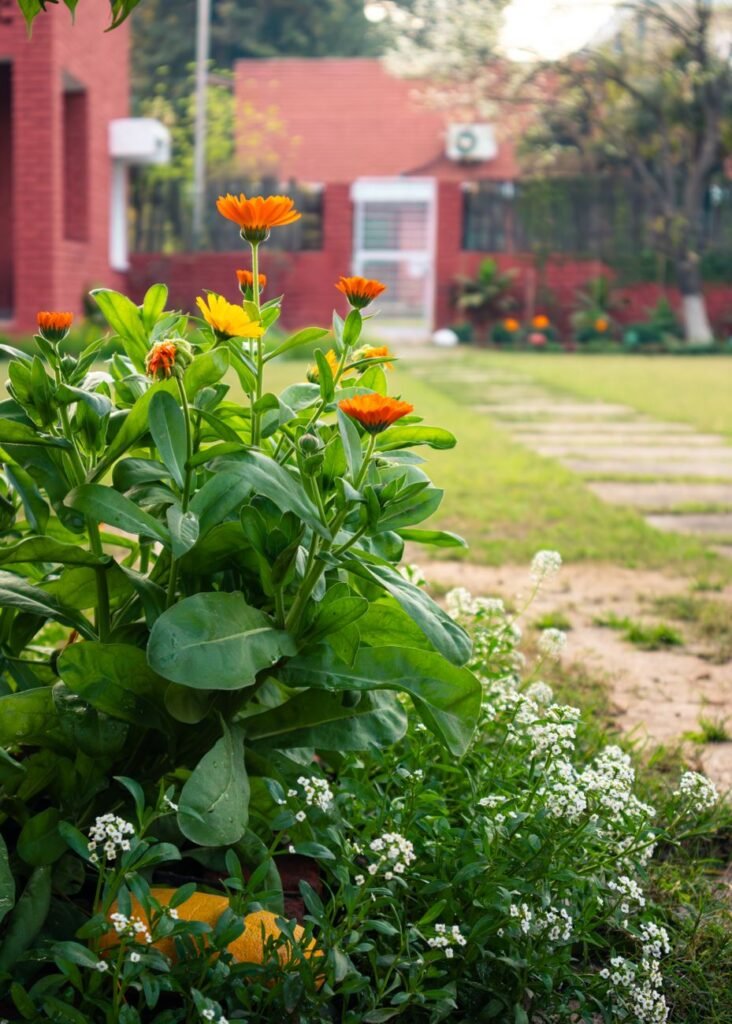
Fortify Your Garden: Essential Preparations for the Indian Summer
As the vibrant spring blossoms begin to wane, the Indian subcontinent braces itself for the intense embrace of summer. For the dedicated home gardener, this transition signals a crucial period of preparation. The scorching sun and elevated temperatures pose significant physiological challenges to plants, demanding a proactive approach to ensure their vitality and continued growth. Understanding the underlying botanical principles behind these preparations empowers us to cultivate resilient gardens capable of thriving even under duress.
1. Optimising Hydration: The Science of Deep Watering
The most immediate concern during summer is water management. High temperatures accelerate evapotranspiration, meaning plants lose water rapidly through their leaves and the soil surface. Superficial, frequent watering encourages shallow root systems, rendering plants more susceptible to dehydration. Instead, adopt a regimen of deep, infrequent watering. This encourages roots to grow deeper into the soil, where moisture retention is better and temperatures are more stable. Water early in the morning or late in the evening to minimise evaporative loss, allowing the water to penetrate effectively to the root zone before the day’s heat sets in. For potted plants, ensure adequate drainage to prevent waterlogging, which can lead to root rot despite the heat.
2. The Protective Mantle: Embracing Mulching
Mulching is an invaluable practice for summer resilience. A 2-3 inch layer of organic mulch – be it straw, dried leaves, wood chips, or even coir pith – serves as an insulating barrier. This barrier reduces soil temperature fluctuations, preventing the rapid heating and cooling that stresses root systems. Crucially, mulch dramatically conserves soil moisture by reducing direct evaporation, thereby lessening the frequency of watering required. As an added benefit, organic mulches decompose over time, enriching the soil structure and providing a slow release of nutrients, fostering a healthier rhizosphere. Affordable options like dry grass clippings or shredded newspaper can also be effective.
3. Strategic Shading: Mitigating Thermal Stress
While sunlight is vital for photosynthesis, the intensity of the Indian summer sun can induce thermal stress, leading to leaf scorching, wilting, and reduced physiological activity. For sensitive plants, or those exposed to direct afternoon sun on balconies and patios, providing partial shade is paramount. Shade netting (often available in 50-75% density at local nurseries for a few hundred rupees per meter) can be erected over beds or balcony gardens. Alternatively, strategically positioning taller, hardier plants to cast dappled shade on smaller ones, or simply moving potted plants to naturally shaded areas during peak sun hours, can make a significant difference in their ability to cope with the heat.
4. Nutrient Fortification: Preparing the Soil for Stress
Healthy soil is the foundation of a resilient plant. Before the peak summer heat, it’s beneficial to fortify your garden soil. Incorporate a generous amount of well-rotted compost or vermicompost. This improves soil structure, enhancing both water retention in sandy soils and drainage in clayey soils, while also providing a steady supply of macro and micronutrients. A balanced, slow-release organic fertiliser can also be applied. A robust nutrient profile ensures plants have the energy reserves needed to withstand environmental stressors and repair any heat-induced damage more effectively.
5. Gentle Pruning and Vigilant Observation
A light pruning session before summer can be beneficial. Remove any dead, diseased, or overly dense foliage. This improves air circulation within the plant canopy, reducing humidity and the likelihood of fungal issues, which can sometimes paradoxically increase with heat stress in shaded, poorly ventilated areas. Additionally, removing spent flowers encourages the plant to channel its energy into vegetative growth rather than seed production. Throughout the summer, maintain vigilance for signs of stress, such as persistent wilting, yellowing leaves, or pest infestations, which can proliferate when plants are weakened. Early detection allows for timely intervention.
Preparing your garden for the Indian summer is a strategic endeavour that combines scientific understanding with practical application. By focusing on proper hydration, soil protection, shade management, and nutrient support, you empower your plants to not just survive, but to truly thrive amidst the heat. A well-prepared garden is a testament to the gardener’s foresight and dedication.
Embark on your summer gardening journey with confidence. For healthy, robust plants that are ready to adapt and flourish, explore the wide selection of superior quality saplings and seeds at Wynorg Nursery. Our plants are nurtured with care, ensuring they arrive at your doorstep ready to grow and beautify your home or garden, even through the Indian summer.