
Your Essential Post-Monsoon Plant Care Checklist: Nurturing Your Greens Back to Health
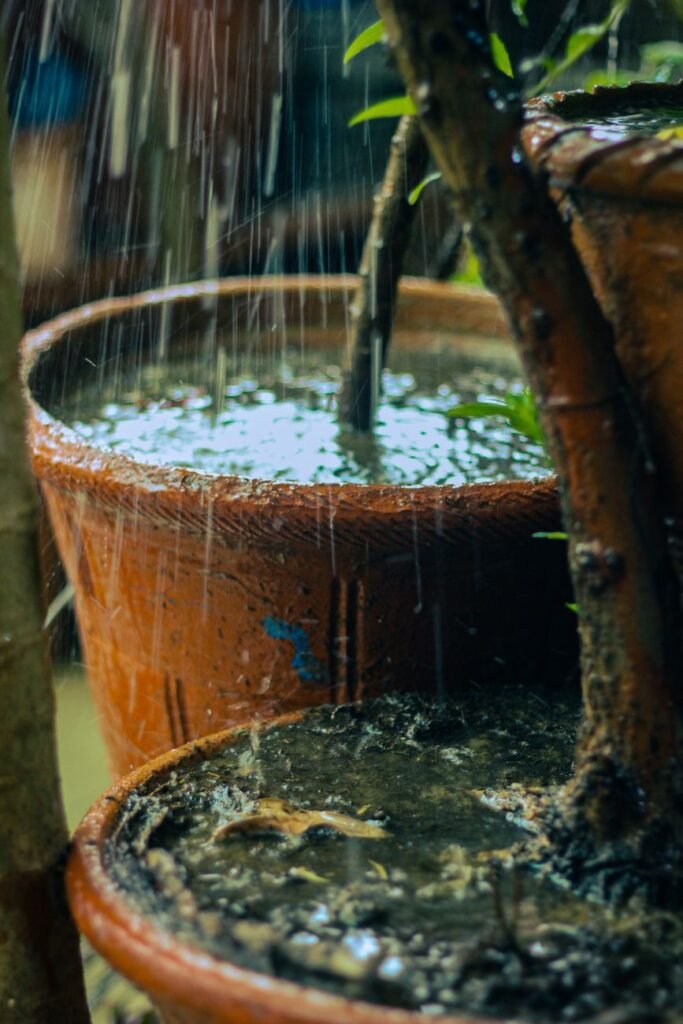
As the last drops of the monsoon showers recede and the air begins to clear, a subtle shift occurs in our gardens and balconies. The lush, vibrant growth spurred by the rains can sometimes mask underlying stresses caused by excessive moisture, nutrient leaching, and changing light conditions. For us gardeners, this transition period from the monsoon’s embrace to the gentler post-monsoon days is crucial. It’s a time for patient observation and gentle intervention, ensuring our beloved plants recover from the deluge and prepare for the drier, brighter months ahead.
Think of it as a reset button for your green companions. With a little care and attention, you can help them not just survive, but truly thrive. Here’s a checklist to guide you through this important phase:
1. Soil Aeration and Drainage Check
- Observe the Soil: Monsoon rains can compact soil significantly, leading to poor aeration and waterlogging once the heavy downpours stop. Gently poke the topsoil with a stick or a fork (be careful not to damage roots) to check for compaction.
- Improve Aeration: For potted plants, carefully loosen the top 1-2 inches of soil. If drainage holes are blocked, clear them. Consider adding a fresh layer of compost or cocopeat to improve soil structure and nutrient content.
- Address Waterlogging: If plants show signs of prolonged wet feet (yellowing leaves, stunted growth), it might be time for a gentle repotting with fresh, well-draining soil mix, especially for outdoor plants that were constantly exposed.
2. Pruning and Cleaning Up
- Remove Damaged Parts: Inspect all your plants for any leaves or branches that have been damaged by heavy rain, strong winds, or have developed fungal spots. Prune these off using clean, sharp secateurs. This prevents diseases from spreading and encourages new, healthy growth.
- Clear Debris: Remove fallen leaves, flowers, and any other organic debris from around the base of your plants and from pots. This eliminates hiding spots for pests and reduces the risk of fungal infections.
3. Vigilant Pest and Fungal Inspection
- The Monsoon Aftermath: The high humidity of the monsoon creates a perfect breeding ground for pests like aphids, mealybugs, and various fungal diseases (like powdery mildew and black spot).
- Daily Checks: Make it a habit to inspect the undersides of leaves and new shoots daily. Early detection is key.
- Gentle Remedies: For pests, a neem oil solution spray or a strong jet of water can be effective. For fungal issues, increasing air circulation and removing affected parts is crucial. In stubborn cases, a mild fungicidal spray can be considered, always following instructions carefully.
4. Gradual Fertilisation and Nutrition
- Replenish Nutrients: Heavy rains often leach essential nutrients from the soil. Once the plants have had a week or two to recover from the immediate wet conditions, begin a gentle feeding regimen.
- Balanced Approach: Opt for a balanced, diluted liquid fertiliser or a slow-release organic option. Avoid over-fertilising, as plants are still recuperating. A dose of organic compost or vermicompost is also an excellent way to gently reintroduce nutrients and improve soil health.
5. Adjusting Sunlight and Plant Placement
- The Sun’s Return: As the clouds dissipate, the sun’s intensity can increase rapidly. Plants that were used to filtered light during the monsoon might get scorched if exposed to harsh afternoon sun too quickly.
- Strategic Relocation: For balcony plants, consider moving sensitive plants to shadier spots during peak afternoon hours. For outdoor plants, ensure adequate hydration to cope with increased sun exposure. Observe how your plants react to the returning sunlight and adjust their positions as needed, perhaps embracing corners that offer morning sun and afternoon shade.
6. Mindful Watering Adjustments
- Break the Monsoon Habit: After weeks of consistent rain, it’s easy to forget that the watering needs change drastically. Soil will dry out faster with increased sun and wind.
- The ‘Finger Test’: Before watering, always check the soil moisture with your finger. Water only when the top inch or two of soil feels dry. This prevents both overwatering and underwatering, guiding your plants towards a more natural watering rhythm.
Embracing the post-monsoon period with this checklist in hand will ensure your plants transition smoothly, regaining their vigour and preparing for healthy growth cycles ahead. It’s a testament to our patience and observation, allowing nature to heal and rejuvenate. And as you tend to your existing greens, perhaps you’ll feel inspired to welcome new life into your home. When you’re ready to expand your green family, remember Wynorg Nursery offers a beautiful selection of healthy, ready-to-grow plants, carefully nurtured to thrive in Indian homes. Explore our range online and bring home the promise of sustained greenery!