
Mastering Monsoon Plant Care: Essential Tips for Indian Gardeners
Ah, the monsoon! That first scent of wet earth, the relief from the summer heat, and the lush green explosion in our gardens – it’s truly a magical time. But let’s be honest, while our plants seem to drink up the rains greedily, the constant dampness and reduced sunlight can also bring a fair share of headaches. As a seasoned gardener, I’ve seen my share of plants thrive and struggle through the Indian monsoon. The trick isn’t to fight the rain, but to work with it, and sometimes, to protect your green babies from its excesses. It’s all about keen observation and a few smart, practical adjustments.
1. Drainage is Non-Negotiable – Your Plant’s Lifeline!
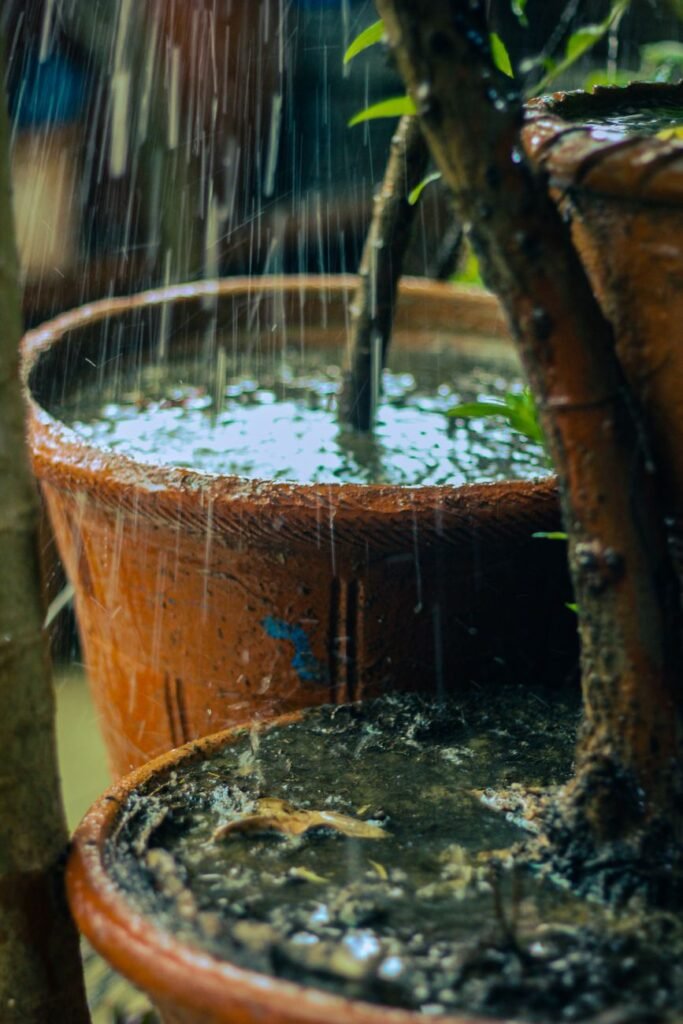
This is my number one rule, folks. More plants die from waterlogging during monsoon than from thirst. Think about it: our heavy rains can turn pots into miniature ponds if they don’t drain well. Always, and I mean always, ensure your pots have good drainage holes. If you’re using plastic pots, consider drilling a few extra. Terracotta is your best friend during this season as it breathes better. I also recommend elevating your pots slightly – a few bricks, old tiles, or even some sturdy pot feet can make all the difference, preventing them from sitting directly in puddles. This ensures water flows out freely and air can circulate underneath.
2. Prune Wisely for Health and Airflow
The monsoon is a time of rapid growth, but it’s also prime time for fungal diseases due to high humidity. Get into the habit of regularly inspecting your plants and pruning away any yellowing leaves, dead branches, or overcrowded foliage. This isn’t just about aesthetics; it drastically improves air circulation within the plant, making it harder for fungi and pests to set up shop. Don’t be shy – healthy pruning helps the plant focus its energy and reduces damp pockets where problems fester. Just make sure to use clean, sharp shears.
3. Keep a Vigilant Eye for Pests and Fungi
With great humidity comes great responsibility to battle pests and fungal infections. Slugs and snails, especially, seem to multiply overnight. Check under leaves, in soil, and around the base of your plants daily. For fungal issues, look for spots, mildew, or a general sickly appearance. My go-to is a light spray of diluted neem oil solution every week or two as a preventative measure. It’s organic, safe, and generally effective. If you spot a problem, act quickly! Early intervention can save your plant a lot of distress.
4. Rethink Your Watering Schedule (or Lack Thereof)
This might sound obvious, but it’s worth stressing: if it’s raining, your outdoor plants likely don’t need extra water from you. Even indoor plants might need less frequent watering due to higher ambient humidity. Stick your finger an inch or two into the soil – if it feels moist, hold off. Overwatering is a plant killer. For plants sheltered on balconies, still check the soil before you water, as they might not be getting enough direct rain.
5. Go Easy on the Fertilizers
Your plants are already working hard with all the water. Heavy feeding during monsoon can actually do more harm than good, as nutrients can leach away quickly with excessive rain, or worse, build up and burn roots if the soil stays constantly wet. If you absolutely must fertilize, opt for a very light, balanced liquid feed, or a handful of well-rotted compost worked into the topsoil. My advice? Scale back or pause major fertilizing until the rains subside. Let them just ‘be’ for a bit.
6. Provide Shelter for Your Delicate Darlings
Not all plants are built to withstand the full fury of an Indian monsoon. Delicate annuals, succulents, and certain indoor plants that you’ve moved out for a ‘breath of fresh air’ can get overwhelmed. Consider moving them under a roof, into a verandah, or even temporarily indoors during heavy downpours. A makeshift shelter using a tarp or an old umbrella can also work wonders for smaller, vulnerable plants in exposed spots. Protecting them from relentless pelting rain can prevent leaf damage and waterlogging.
Caring for your plants during the monsoon isn’t about grand gestures; it’s about consistent, thoughtful attention. It’s about understanding the unique challenges of this beautiful but demanding season and responding with practical solutions. Keep an eye on your green friends, listen to what they’re telling you, and make those small, timely adjustments. And remember, for healthy, resilient plants that are ready to tackle any season, Wynorg Nursery has you covered. Browse our wide selection of ready-to-grow plants online and get started on your vibrant garden journey today!