
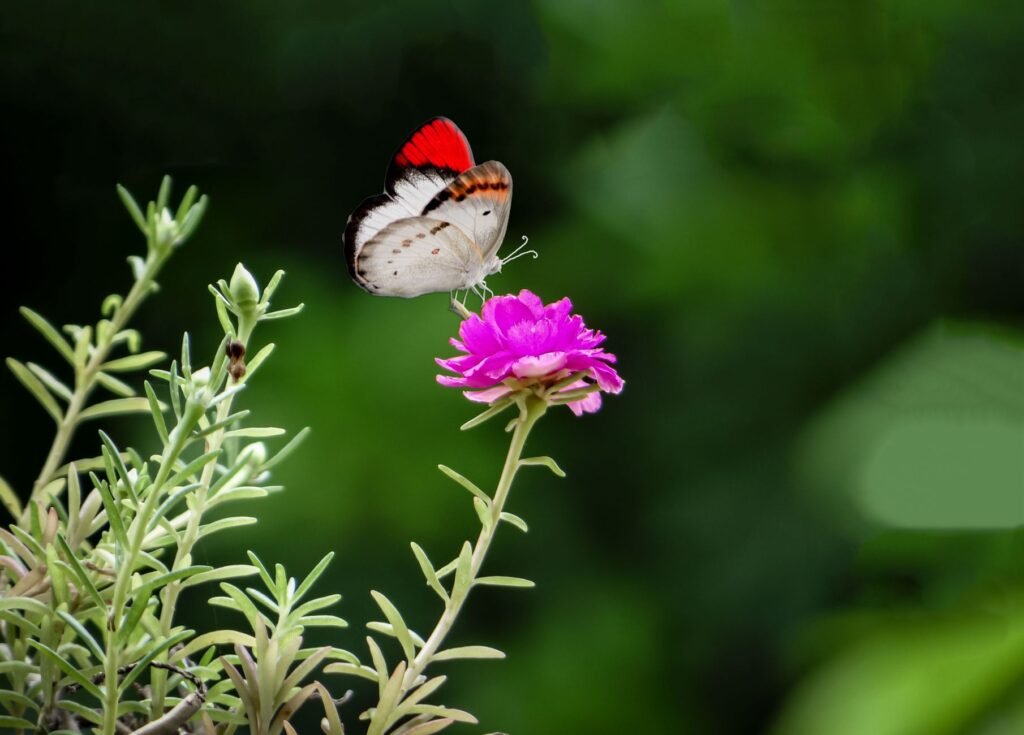
Buzzing with Life: How to Attract Butterflies and Bees to Your Indian Garden
Hi there, fellow plant lovers! I’m Priya, and I’m absolutely delighted to share my passion for creating vibrant, living spaces with you all. At Wynorg, we believe gardening isn’t just about nurturing plants; it’s about cultivating joy, peace, and a little piece of nature right at home. My own balcony garden is my sanctuary, a place where I love to experiment with colours, textures, and fragrances. There’s truly nothing quite like seeing a beautiful butterfly flitting among your blooms or watching a busy bee gather nectar, knowing you’ve played a part in supporting these vital creatures. These pollinators are not just beautiful visitors; they’re essential for the health of our environment, and attracting them to your garden, big or small, is easier than you think!
For us in India, with our glorious sunshine, diverse seasons, and bustling homes, creating a haven for butterflies and bees means choosing the right approach. Let’s explore some practical, truly actionable ways to invite these wonderful guests into your personal green space.
1. Plant a Pollinator Feast: Nectar-Rich Native Plants
The first and most crucial step is to offer a buffet of their favourite foods – nectar and pollen! Focus on flowering plants that are native or well-adapted to the Indian climate. They are often more robust, require less maintenance, and are perfectly suited to our local pollinators. Think about plants with a variety of colours and shapes, as different pollinators are attracted to different types of flowers.
- For Butterflies: They love flat, landing-pad type flowers where they can rest while feeding. Consider vibrant Marigolds (Genda), cheerful Cosmos, delicate Lantana, fragrant Jasmine (Chameli), bright Hibiscus (Gudhal), and the majestic Bougainvillea. Don’t forget crucial host plants like Curry Leaf (Kadi Patta) for swallowtail butterflies to lay their eggs, or even citrus plants for common mormons.
- For Bees: Bees are drawn to yellow, blue, and purple flowers, often with a sweet scent. Good choices include Tulsi (Holy Basil), Mustard, flowering vegetables like Coriander (Dhania), and herbs like Mint and Thyme. Small, clustered flowers like those of Ajwain or Fennel are also excellent.
Aim for a mix that provides continuous blooms throughout the year, from the scorching summer to the monsoon and cooler winter months. This ensures a steady food supply for our winged friends.
2. Provide a Safe, Shallow Water Source
Just like us, butterflies and bees need water, especially during our hot Indian summers. A simple, shallow water bath can make a world of difference. Use a shallow dish or a bird bath with pebbles or marbles placed inside. This provides safe landing spots for them to sip water without the risk of drowning. Change the water daily to keep it fresh and prevent mosquito breeding, which is particularly important during the monsoon season. Place it in a sunny spot, perhaps near your most vibrant flowers.
3. Say NO to Chemical Pesticides
This is perhaps the most critical advice. While we all deal with pests, conventional chemical pesticides can be extremely harmful, even fatal, to butterflies, bees, and other beneficial insects. Opt for organic and natural pest control methods instead. A simple neem oil spray, a diluted soap solution, or even manual removal of pests can be highly effective without harming our precious pollinators. Embracing a little bit of nature’s balance means understanding that not every insect is a pest.
4. Create Shelter and Resting Spots
Pollinators need places to rest, shelter from harsh sun or heavy monsoon rains, and even safe spots for nesting. Dense shrubs, tall grasses, or a slightly wilder, less manicured corner of your garden can serve this purpose beautifully. If you have an apartment balcony, even a cluster of potted plants or a small bushy plant provides a good refuge. Consider adding a ‘bee hotel’ – small bamboo tubes or drilled wood blocks – though these are more common for solitary bees and can be a fun DIY project for a few rupees.
5. Practice Succession Planting for Year-Round Nectar
To truly make your garden a pollinator magnet, think about continuous blooms. Plan your planting so that something is always flowering, regardless of the season. As one plant finishes its bloom cycle, another should be ready to start. For example, some marigolds thrive in cooler weather, while hibiscus loves the heat. Herbs like tulsi can flower almost year-round. This strategy ensures that butterflies and bees always have a source of food and are encouraged to stay in your garden longer, making it a regular stop on their foraging routes.
Creating a garden that hums and flutters with life is one of the most rewarding aspects of gardening. It’s about cultivating not just plants, but a vibrant ecosystem right outside your door, a little slice of nature’s magic. By following these practical tips tailored for our Indian conditions, you’ll soon find your garden becoming a favourite spot for these beautiful and beneficial creatures. Ready to start your pollinator-friendly journey? Discover a wide array of healthy, ready-to-grow plants perfect for attracting butterflies and bees to your home at Wynorg Nursery – your trusted source for bringing more green joy into your life!