
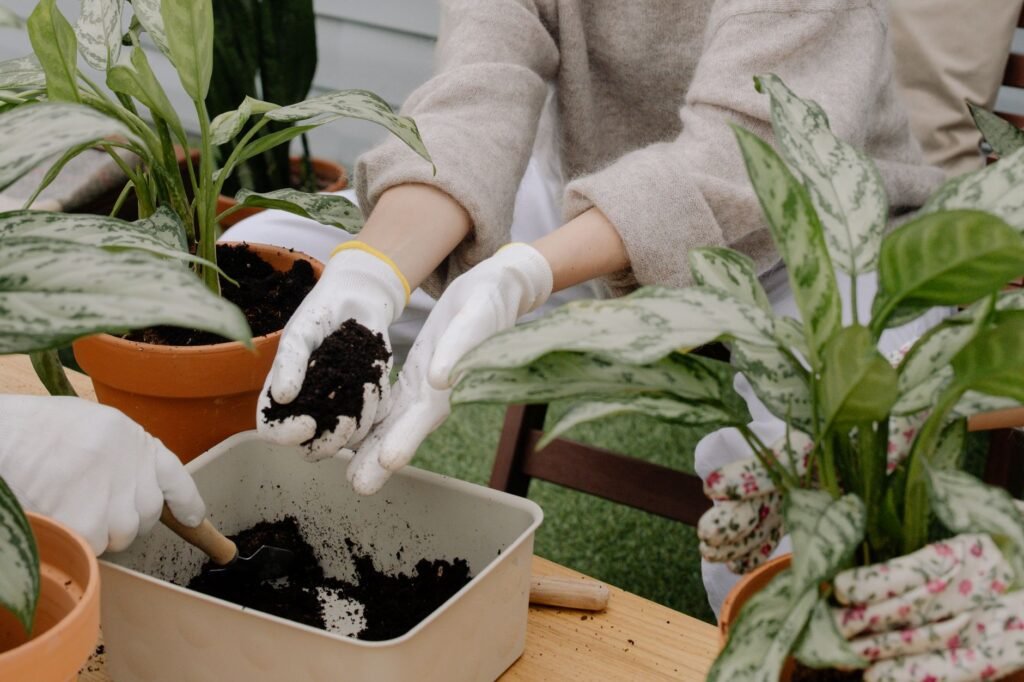
The Gardener’s Foundation: Tried-and-True Ways to Improve Your Soil Quality
Greetings, fellow gardeners! You know, much like how a strong foundation is essential for a sturdy home, healthy soil is the absolute bedrock for a thriving garden. We often focus on the plant itself – the beautiful flowers, the lush leaves – but the real magic, the very lifeblood of your green friends, lies beneath the surface. Good soil isn’t just dirt; it’s a living ecosystem teeming with microbial life, nutrients, and the perfect balance for roots to breathe and draw sustenance. If your plants are struggling, looking a bit lacklustre, or not growing as expected, nine times out of ten, the answer lies in giving your soil a little extra love. And good news – you don’t need fancy, expensive chemicals to do it. The best solutions are often the simplest, time-tested methods, perfect for our Indian climate and any garden, big or small.
1. Embrace the Power of Compost: Your Garden’s Black Gold
If there’s one thing I could recommend every gardener does, it’s composting. Think of compost as a nutrient-rich, all-natural multivitamin for your soil. It improves drainage in heavy clay soils, helps sandy soils retain precious moisture and nutrients, and adds a wealth of organic matter crucial for microbial activity. Making your own compost from kitchen scraps (vegetable peels, fruit waste, tea leaves), dry leaves, and garden trimmings is incredibly cost-effective – literally turning waste into garden gold. If you’re short on space, even a small compost bin or a vermicompost setup on a balcony can work wonders. Your soil, and your wallet, will thank you!
2. The Goodness of Well-Rotted Manure
Alongside compost, well-rotted manure is another traditional workhorse for soil improvement. Cow dung manure, readily available in many parts of India, or vermicompost (earthworm castings) are excellent choices. The key here is ‘well-rotted.’ Fresh manure can be too strong and ‘burn’ your plants with its high nitrogen content. Always ensure it’s aged for several months until it’s dark, crumbly, and no longer smells strongly. Work it into your garden beds a few weeks before planting, or use it as a top dressing around established plants. It enriches the soil structure, adds vital nutrients, and encourages beneficial soil organisms.
3. Mulch, Mulch, Mulch: A Protective Blanket for Your Soil
Mulching is a simple yet profoundly effective practice, especially crucial with our scorching Indian summers and heavy monsoons. A layer of organic mulch – be it dry leaves, straw, wood chips, or even shredded newspaper – spread over your soil surface does several amazing things. It acts like a protective blanket: keeping the soil cooler in summer, preventing rapid moisture evaporation (meaning less watering for you!), suppressing weed growth, and slowly breaking down to add more organic matter to your soil over time. During monsoons, it prevents soil erosion and splash-back onto plants, reducing disease.
4. Ensure Proper Drainage: No Wet Feet for Your Plants!
Just like we don’t like standing in waterlogged shoes, plant roots despise ‘wet feet.’ Poor drainage leads to root rot, a common killer of garden plants. For potted plants, always ensure your pots have adequate drainage holes and use a well-draining potting mix. For garden beds, especially if you have heavy clay soil, incorporating plenty of compost, sand, and perhaps even raising your beds slightly can dramatically improve drainage. Observe how water behaves after a rain; if it puddles for too long, your soil needs help!
5. Gentle Aeration and Avoiding Compaction
Roots need air just as much as they need water and nutrients. Compacted soil, often caused by heavy foot traffic or machinery, suffocates roots and prevents them from spreading freely. For garden beds, avoid walking directly on your planting areas. Occasionally, gently loosen the topsoil with a hand cultivator or fork (no deep tilling, which can disturb beneficial soil life) to improve aeration. For potted plants, a gentle poke with a chopstick can help aerate the soil around the roots if it feels too dense.
Improving your soil quality is truly an investment in the long-term health and beauty of your garden. It’s a continuous process, a partnership with nature that yields bountiful rewards. By focusing on these tried-and-true organic methods, you’ll create a vibrant, living soil that supports robust, healthy plants, making your gardening journey all the more joyful and successful. And when you’re ready to start your next gardening adventure with healthy, strong plants that are eager to thrive in your wonderfully improved soil, remember Wynorg Nursery. We offer a fantastic selection of ready-to-grow plants online, delivered right to your doorstep, ensuring you begin with the best!